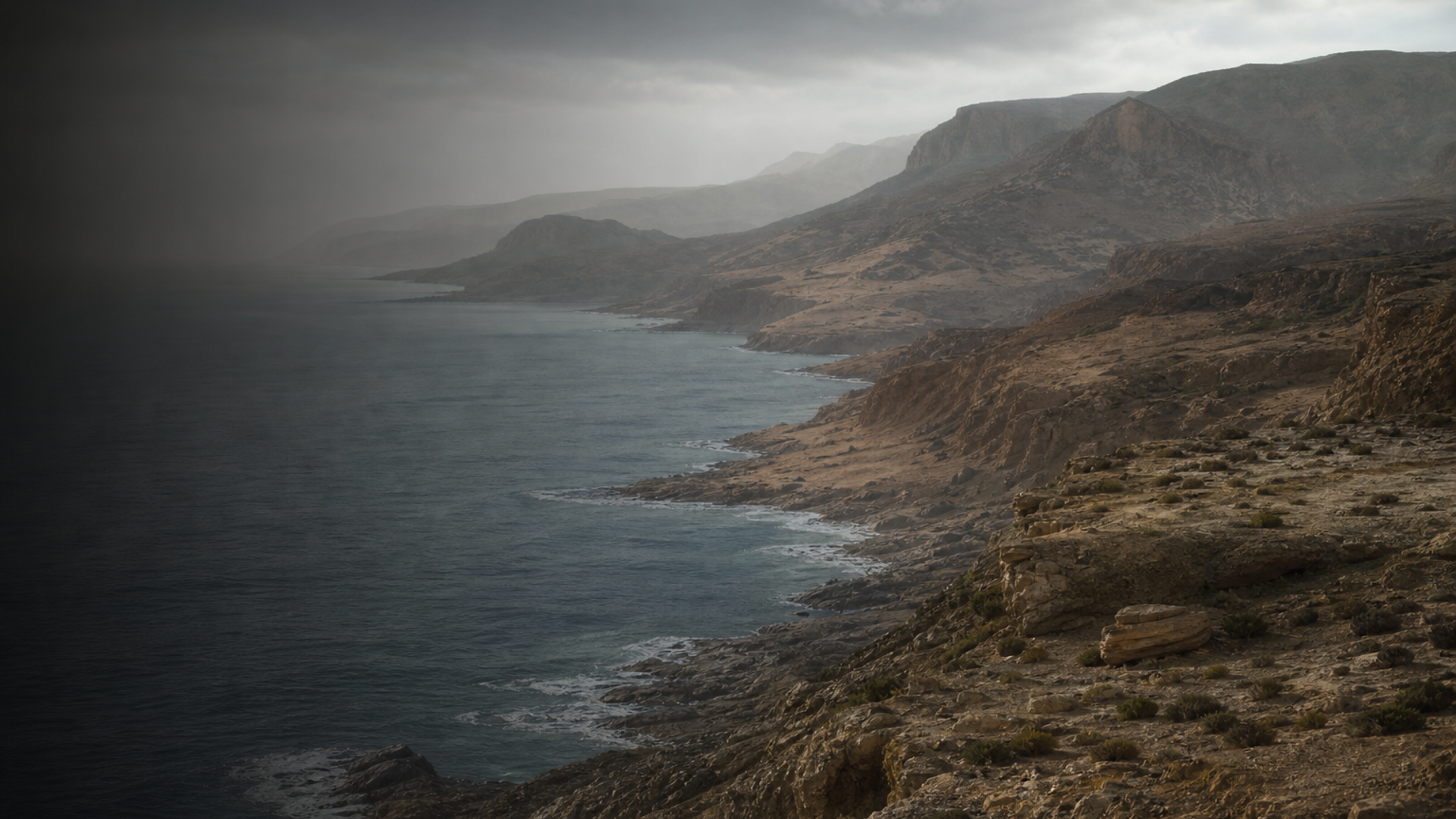
Archaeological reconstructions of Late Neolithic Morocco imagine compact villages and seasonally mobile resource use. Excavations at coastal and near‑coastal sites yield pottery sherds, ground stone for processing plants, and flaked stone tools — the material signs of cereal processing, maritime foraging, and household craft. Archaeological data indicates exploitation of both inland agricultural niches and marine resources: shell middens and fish bones occur alongside domesticated plant remains at some contemporaneous Moroccan sites.
Mortuary practices, where preserved, provide glimpses of social identity. At Kelif el Boroud and nearby localities, burials and associated grave goods suggest kin-based groups with differentiated roles, though the sample is too small to generalize across the region. The presence of decorative elements on pottery and personal ornaments points to aesthetic expression and social signaling.
Economically, these communities balanced cultivation, herding, and coastal foraging. Seasonal rhythms — sowing and reaping, transhumant movement of flocks, and fishing along tidal flats — would have structured daily life. Material culture reflects adaptability: durable stone tools for land tasks, fine ceramics for storage and cooking, and small personal items that speak to identity and exchange networks. Yet archaeology alone cannot fully reconstruct social complexity; ancient genomes contribute crucial new threads by revealing biological relationships that complement artifacts.