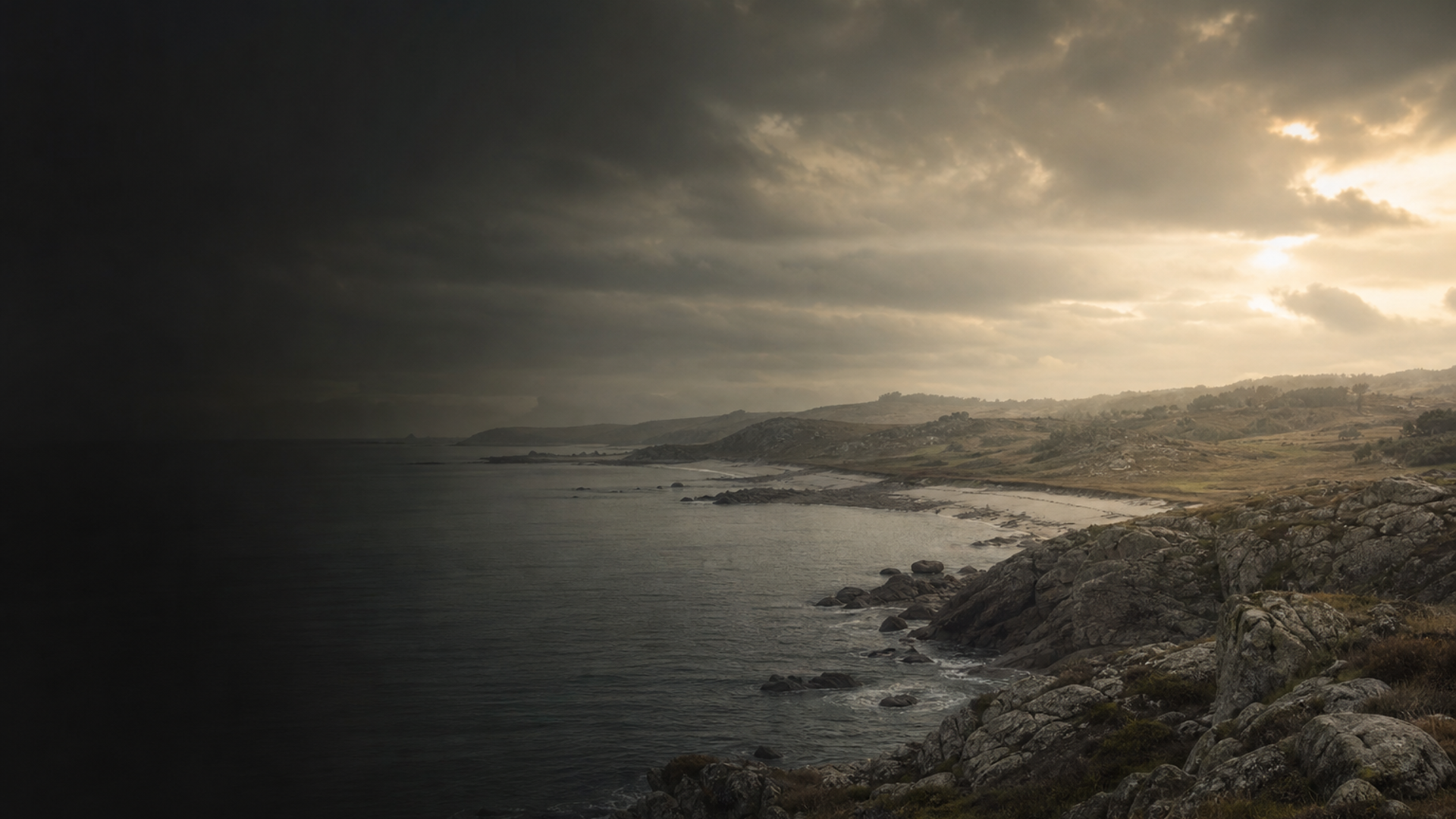
Picture low dunes and shell-rich beaches where people smoked fish over open fires, knapped microlithic points in sheltered coves, and buried loved ones with carefully arranged bone implements. At shell midden sites like Téviec and Hoedic, archaeologists recover dense deposits of shell, fish bone, and hearth features—signatures of intensive coastal subsistence. Inland burials and scatters from Achères and Maisons-Alfort show more mixed-resource economies, with deer, boar, and woodland plants evident in faunal and botanical assemblages.
Grave goods are generally modest but meaningful: bone toggles, pierced teeth, and composite tools suggest personal ornamentation and technological continuity. Social groups were likely small and mobile, tied to seasonal rounds that exploited estuaries in warm months and upland resources at other times. Spatial patterns of lithic raw material transport hint at exchange networks linking coasts and interior valleys. Burial practices vary by region and time, implying local traditions rather than a single uniform Mesolithic culture across France. Archaeological data indicates resilient, place-based lifeways shaped by coastlines, rivers, and forests.