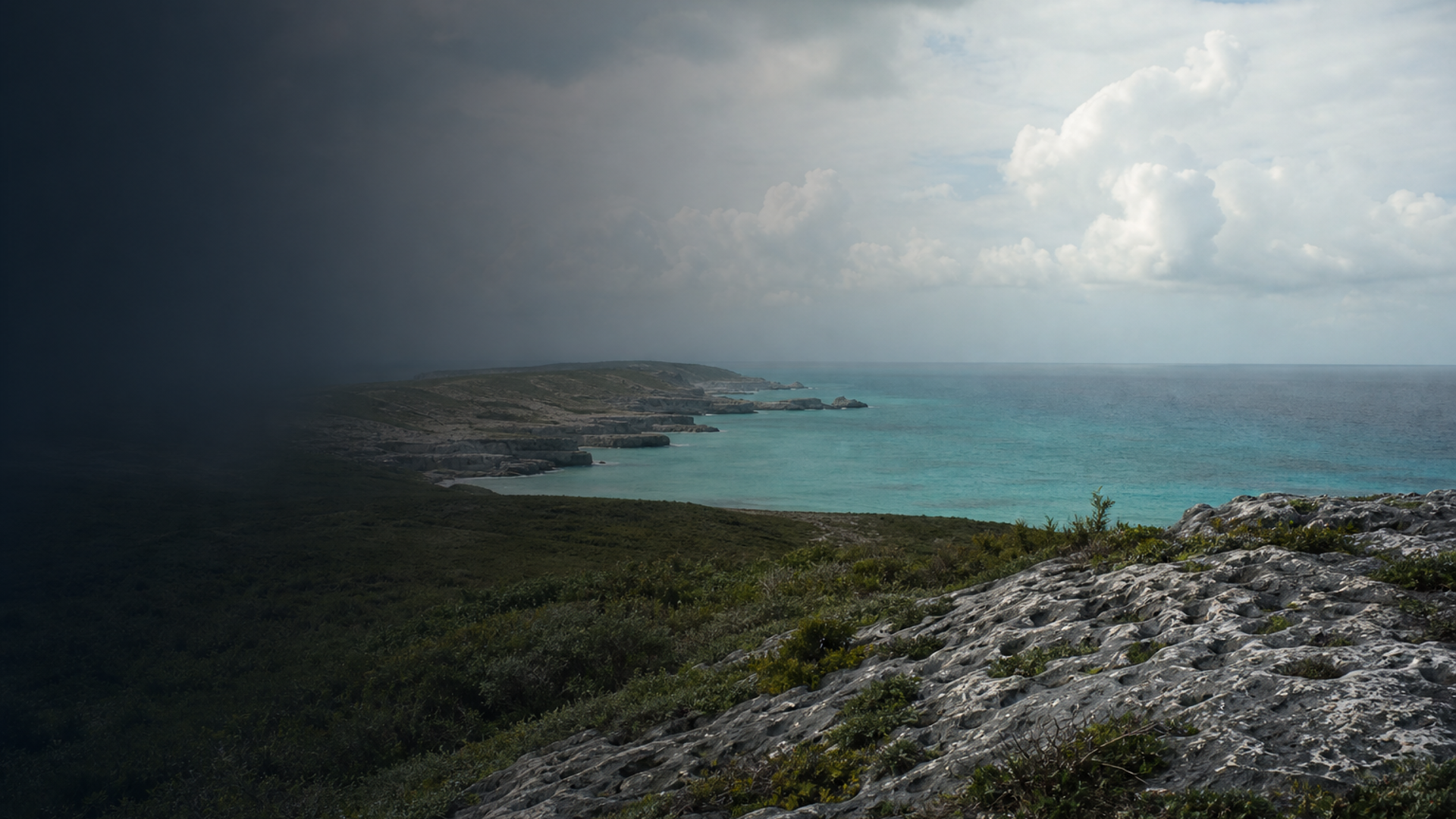
Ancient DNA from Crooked Island is exceptionally scarce: only three samples are currently available from contexts dated within the 900–1500 CE range. Despite the low sample count, the genetic signals are consistent with Indigenous American lineages widely observed in pre-contact Caribbean populations.
Y-chromosome data: one individual carries haplogroup Q, a lineage frequently associated with Indigenous peoples across the Americas. Mitochondrial DNA: two individuals carry haplogroup C1b, a maternal lineage found among Native American populations and previously reported in other Caribbean ancient and modern samples. Together, these uniparental markers align with an interpretation of Native American ancestry and suggest continuity with broader Arawakan-associated dispersals during the Ceramic Age.
Important caveats: with only three samples the portrait is preliminary. Small-n sampling cannot capture population diversity, sex-biased migration, or fine-scale relationships to neighboring islands. Archaeological affiliation with Arawakan Ceramic traditions provides cultural context but does not, by itself, determine precise genetic origins. Future aDNA work—larger sample sizes, genome-wide data, and direct radiocarbon dating of sampled remains—will be essential to clarify descent, admixture, and population structure in the Bahamian archipelago.
In short, current genetic evidence supports Indigenous American ancestry on Crooked Island during the Ceramic Period, but conclusions must remain cautious until more data are available.