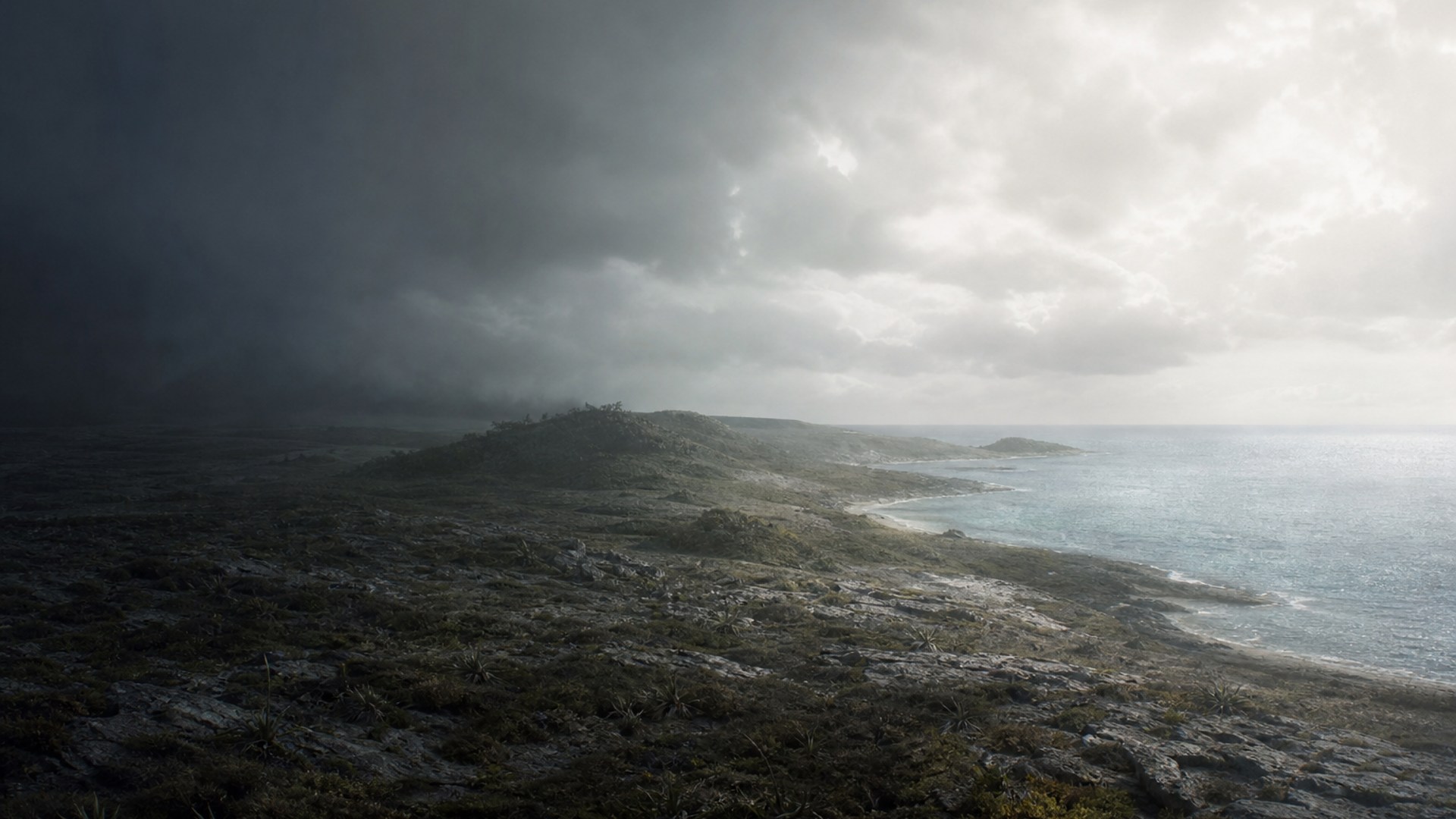
Archaeological deposits on Crooked Island evoke communities living close to the sea: middens rich in shell, fish bone, and coastal fauna signal diets heavily focused on marine resources. Ceramic vessels recovered in limited contexts were likely used for cooking, boiling, and storage — technologies that transformed food preparation and daily domestic routines.
Stone tools, shell adzes, and bone implements (where preserved) suggest a toolkit adapted to boat building, net repair, and processing of fish and shellfish. Settlement patterns inferred from surface scatters and small excavations point to modest coastal hamlets rather than large urban centers. Social life would have been organized around kin networks, seasonal resource rounds, and canoe-borne travel linking islands and facilitating exchange of pottery styles and raw materials.
Burial evidence on Crooked Island is scarce, so ritual life and political organization remain largely invisible archaeologically. The cinematic image of people paddling along low shorelines at dusk, tending fires and trading pottery with distant neighbors, is compelling — but must be held against the sparse and fragmentary material record.