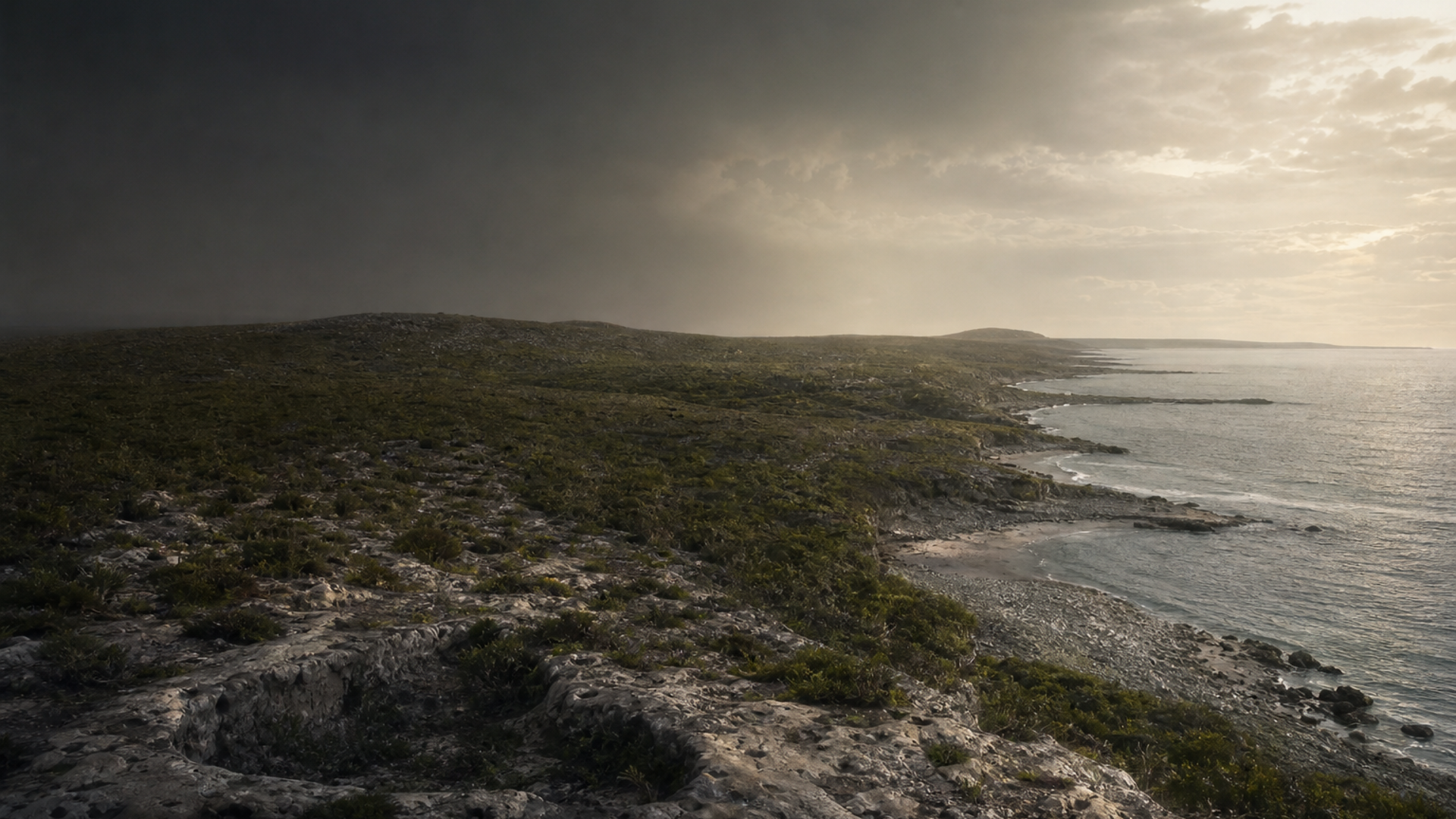
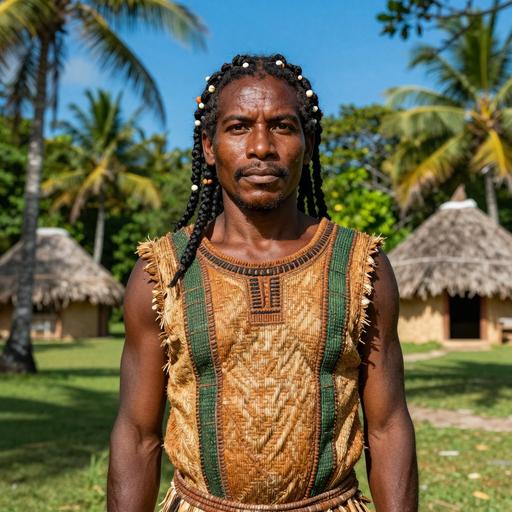
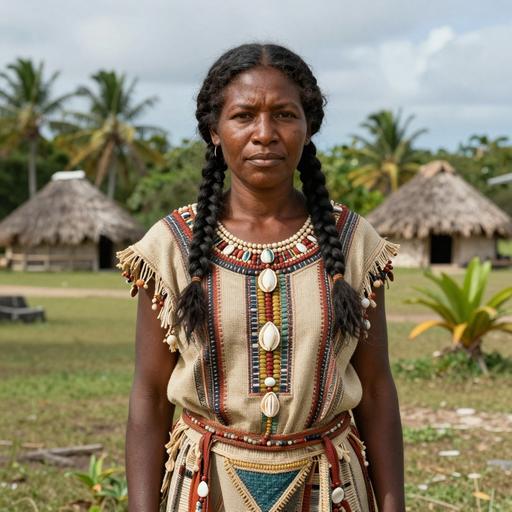
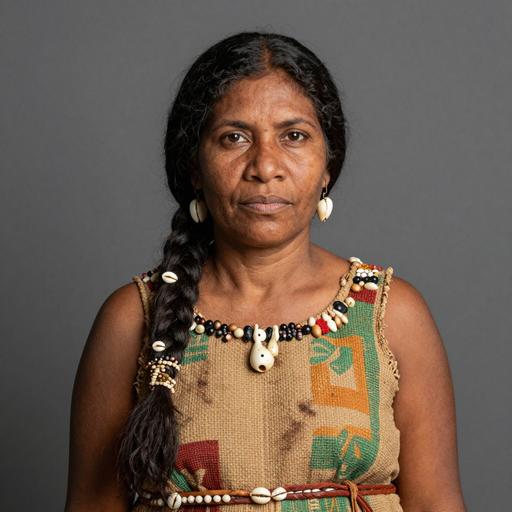
Archaeological data paints a maritime lifeway: communities on Crooked Island exploited reefs, seagrass beds, and shallow lagoons. Shellfish (conch, bivalves), fish caught with hooks or nets, and small-scale horticulture of root crops and possibly introduced staples would have structured daily sustenance. Ceramic vessels, often collared or simple bowls, probably served in cooking and storage; their wear patterns and soot suggest intensive use over hearths.
Settlement traces—low shell middens, posthole patterns, and scattered activity areas—suggest small, mobile or semi-sedentary hamlets rather than large agglomerations. Craft activities likely included shell tool production, bone working, and pottery manufacture, though organic craft remains (wood, fiber) rarely survive in the Bahamian tropics. Social life most likely revolved around kin groups with fluid interaction networks linking neighboring cays and the Greater Antilles.
Burial practices are known from few contexts and are often fragmentary; when present, they provide crucial biological material for genetic study but also highlight ethical imperatives for descendant-community consultation. The archaeological picture is cinematic yet incomplete—small ateliers of daily life carved from coral and wave, glimpsed through shards and midden layers.