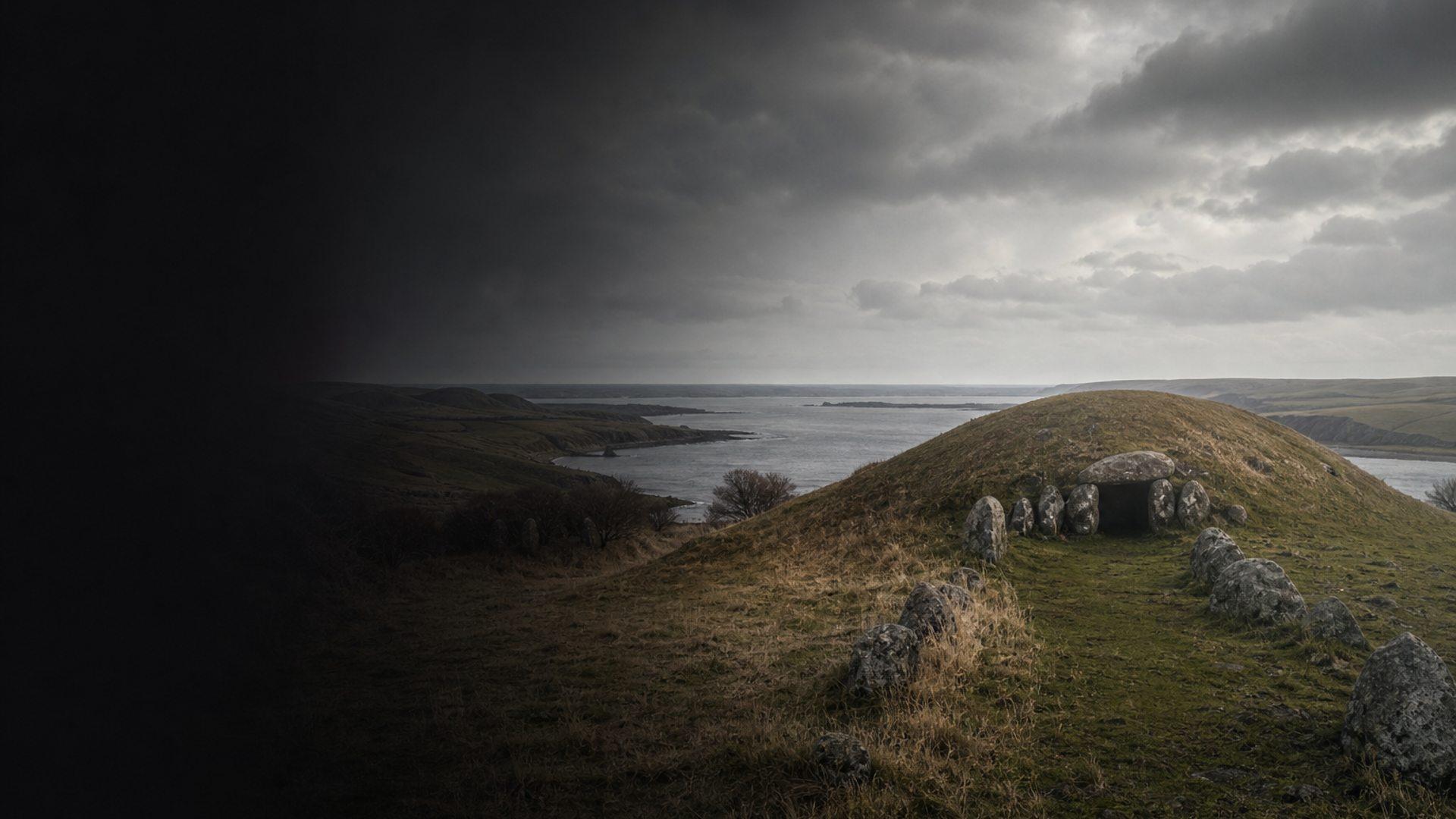
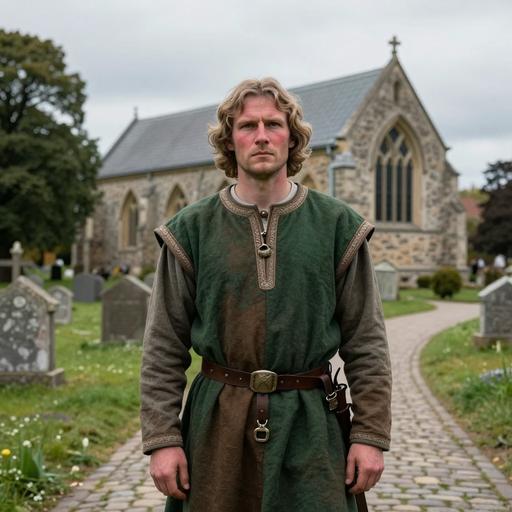
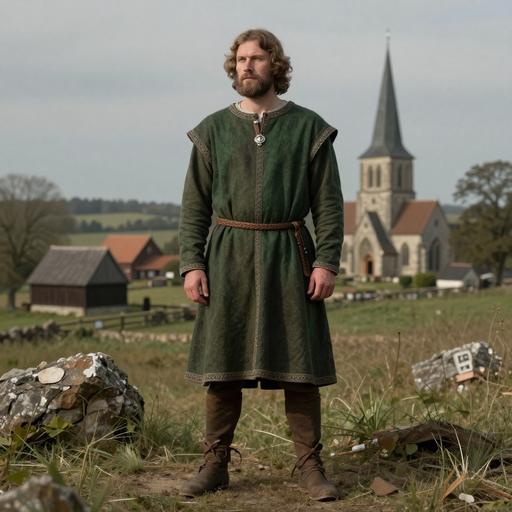
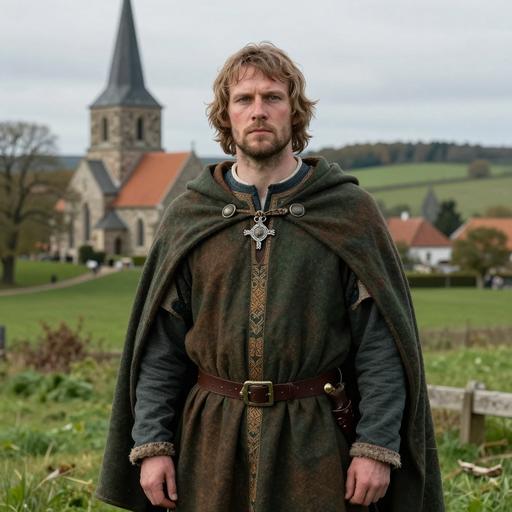
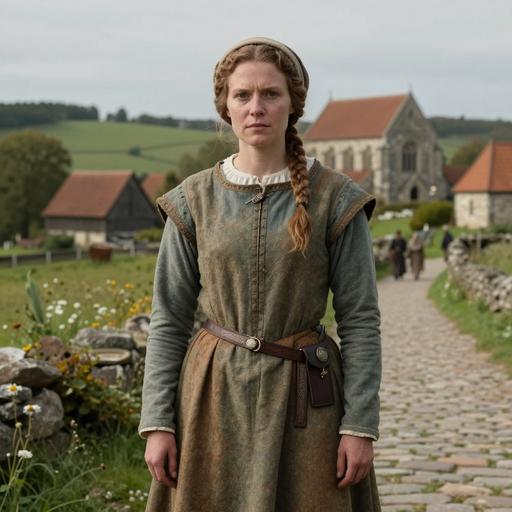
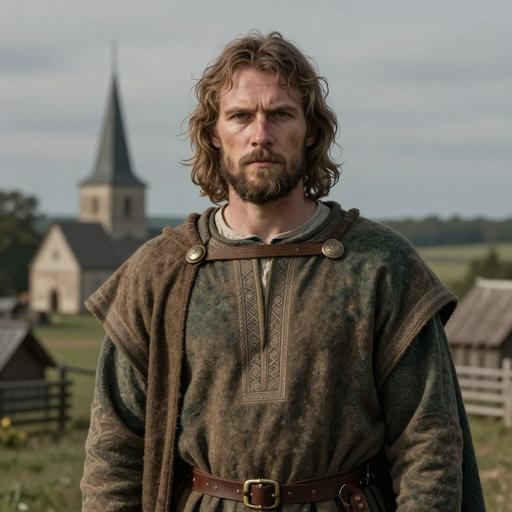
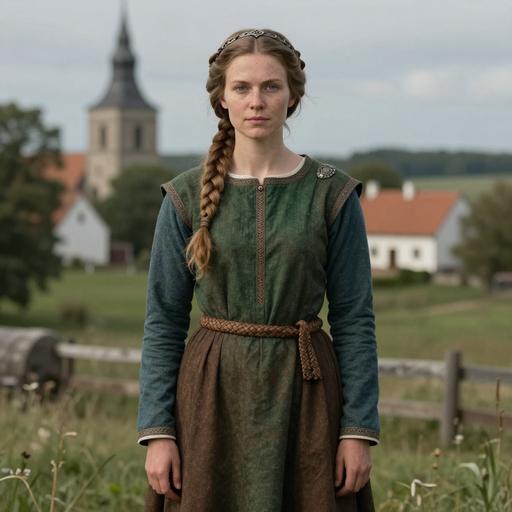
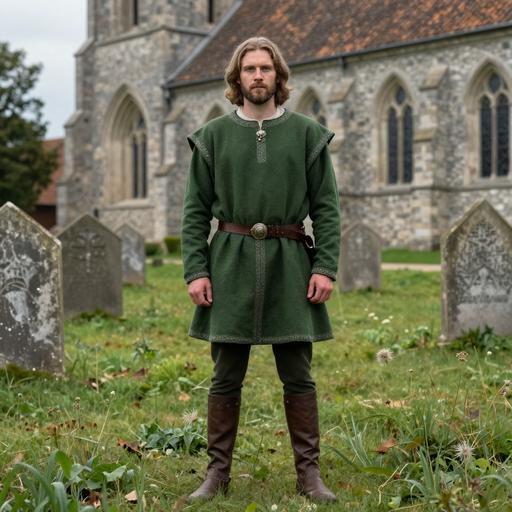
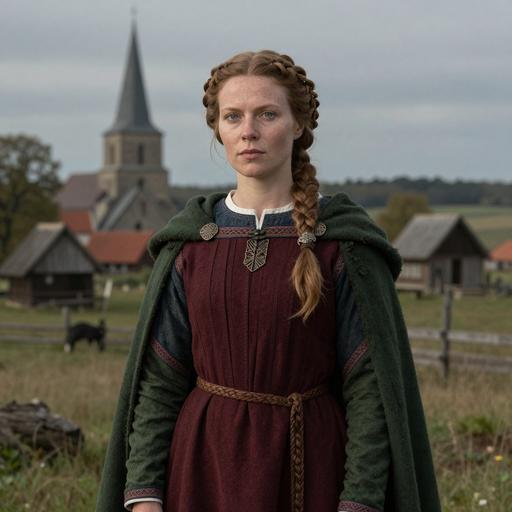
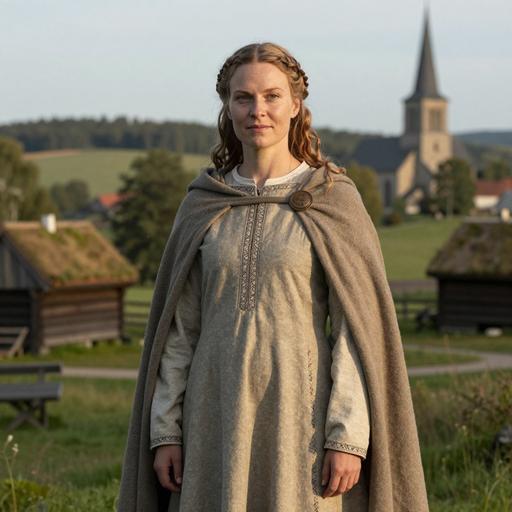
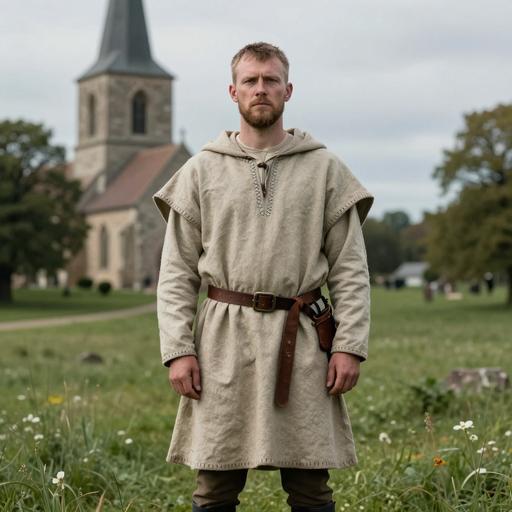
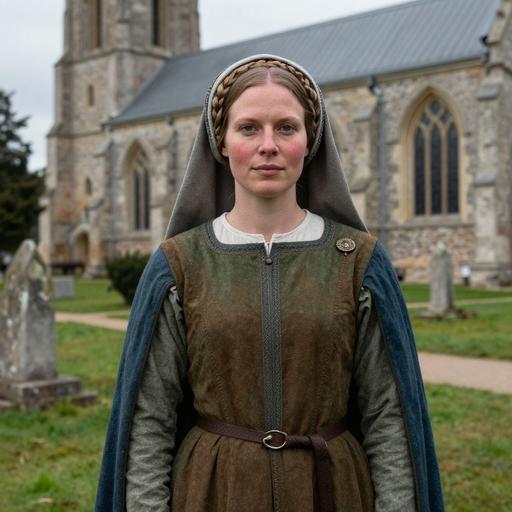
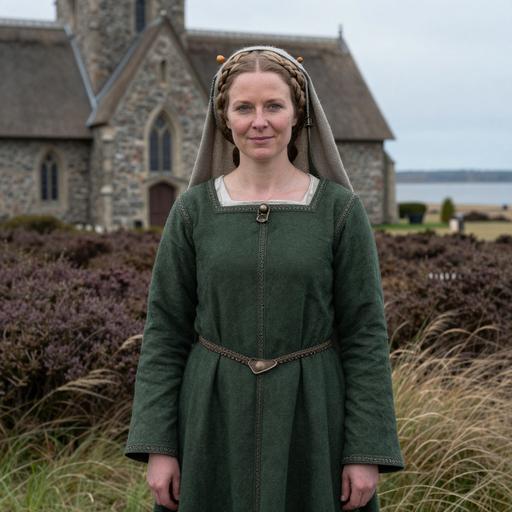
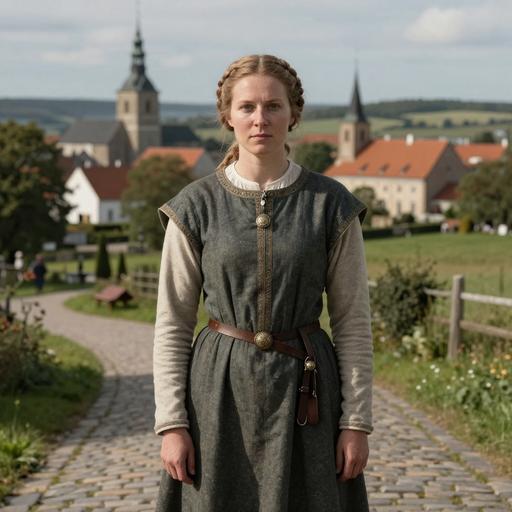
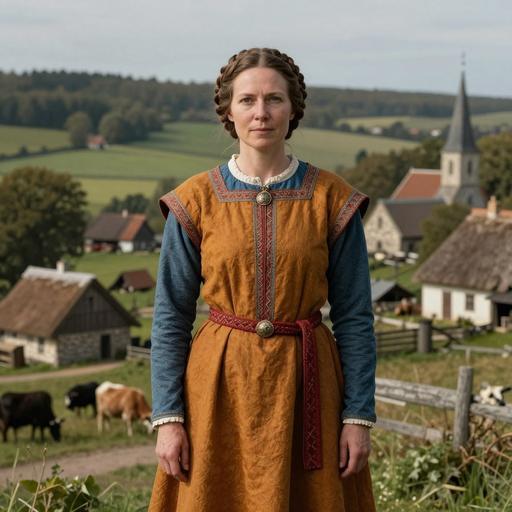
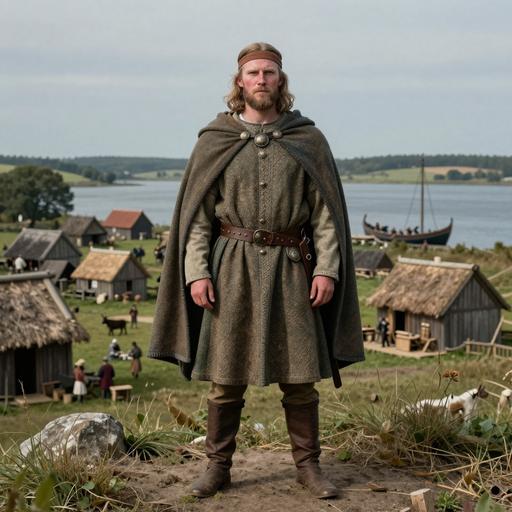
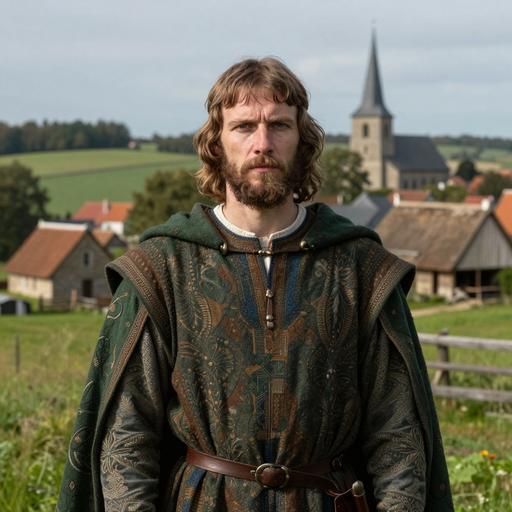
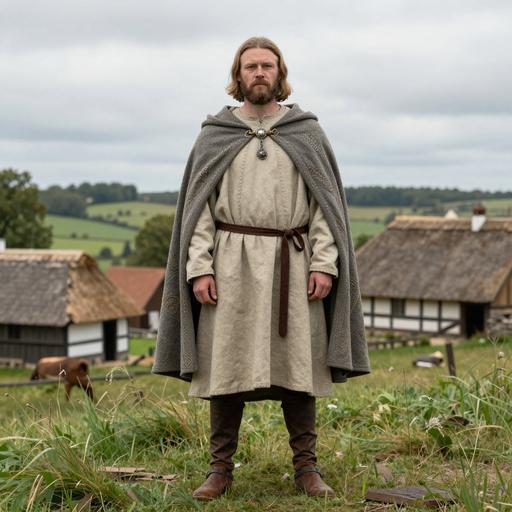
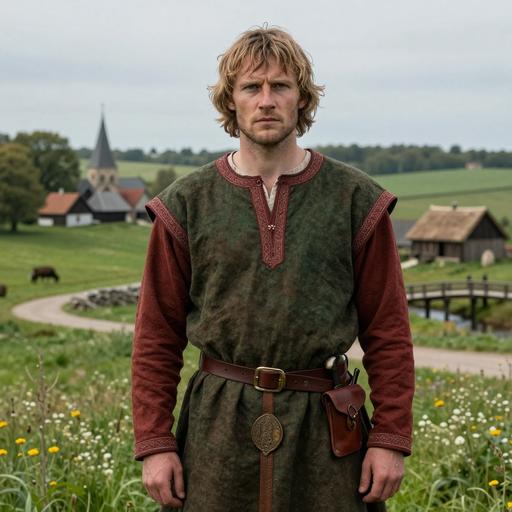
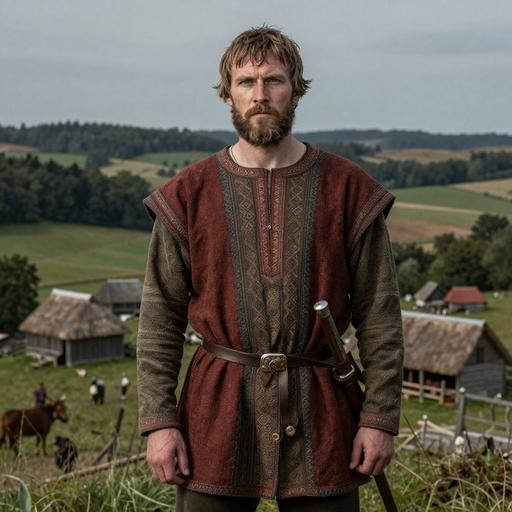
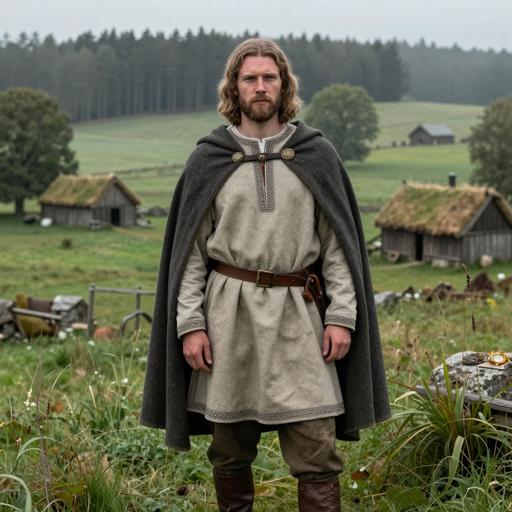
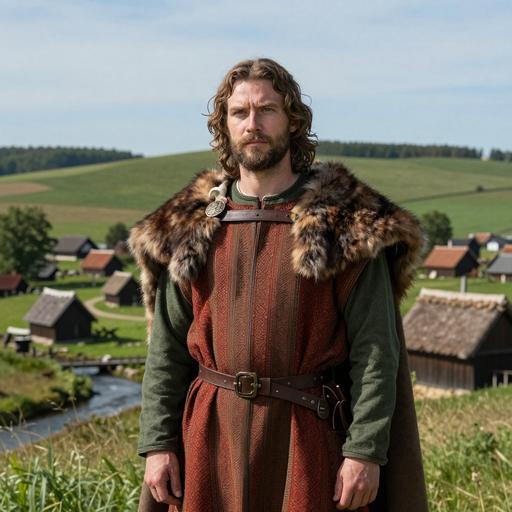
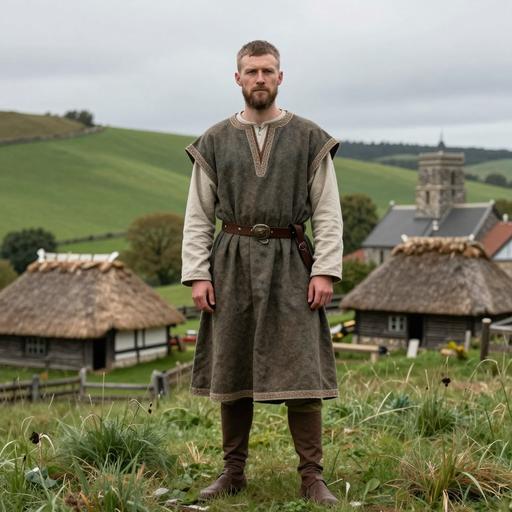
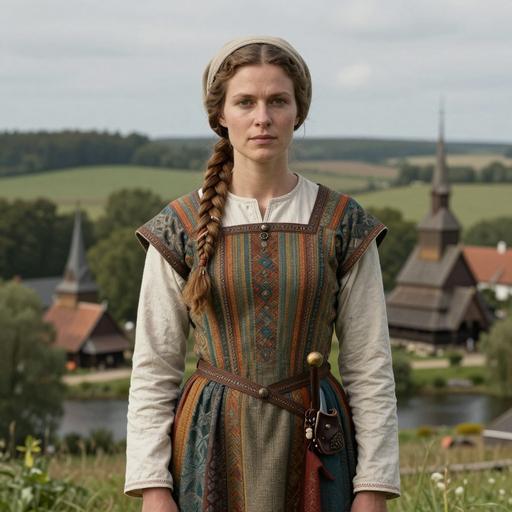
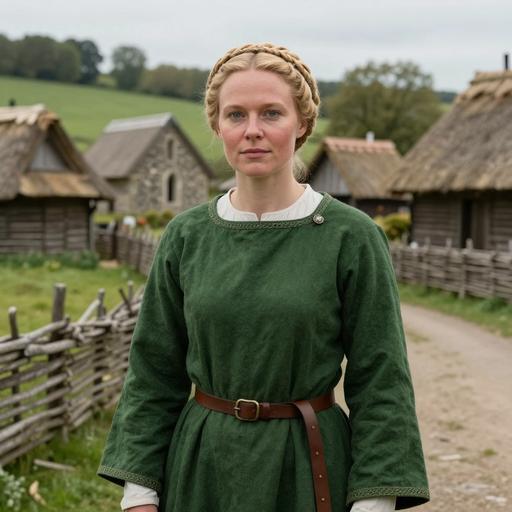
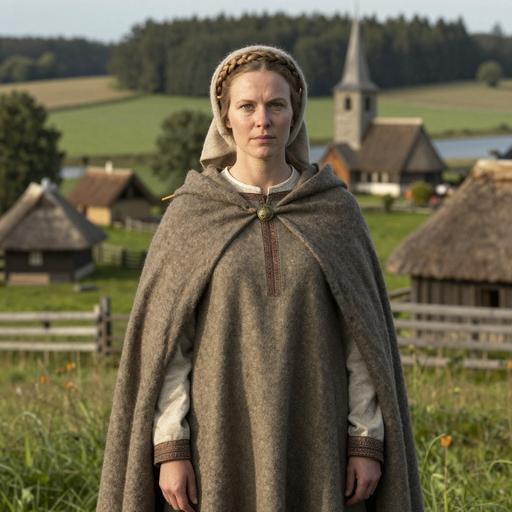
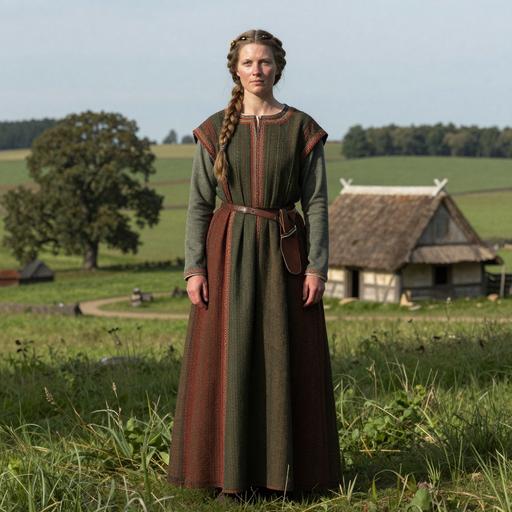
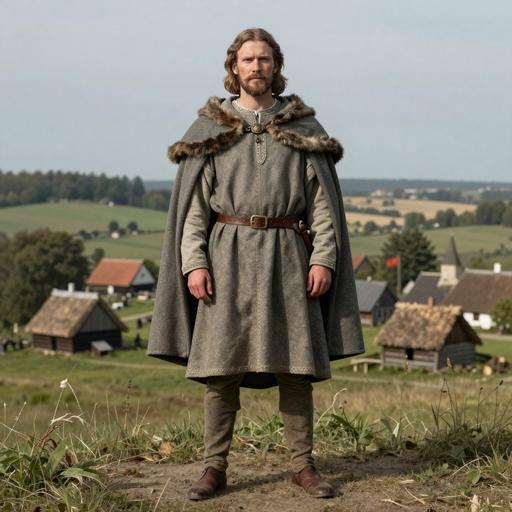
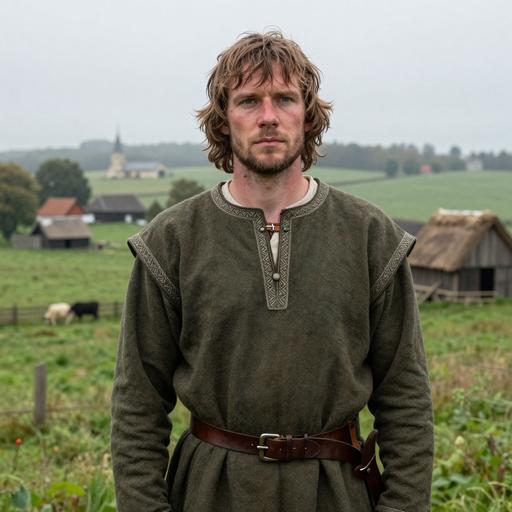
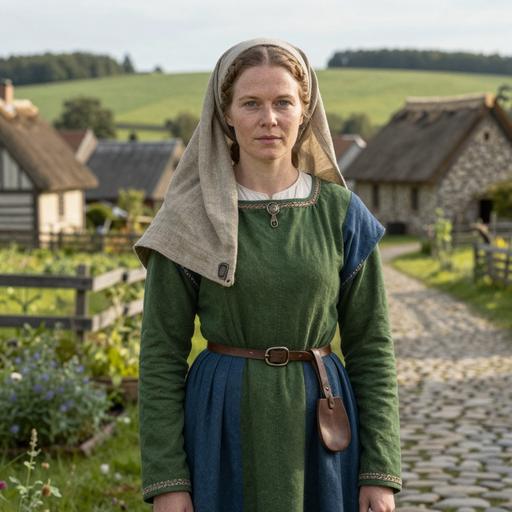
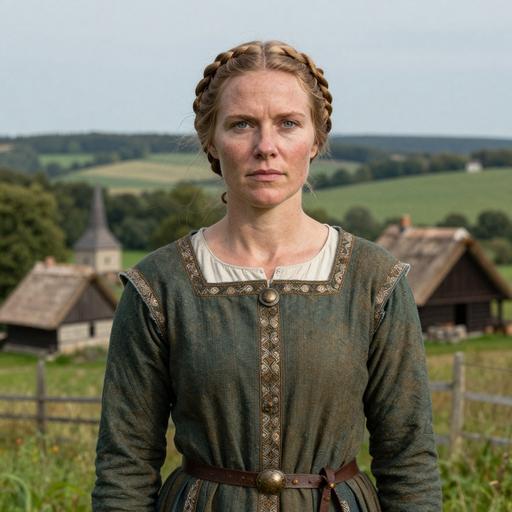
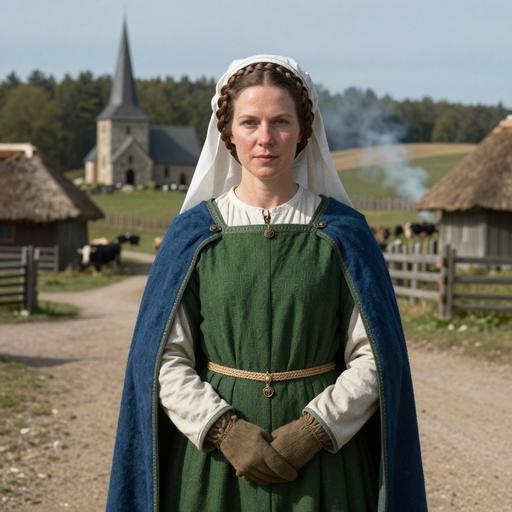
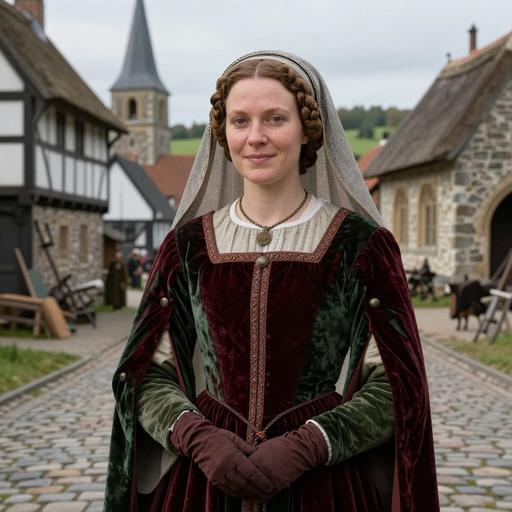
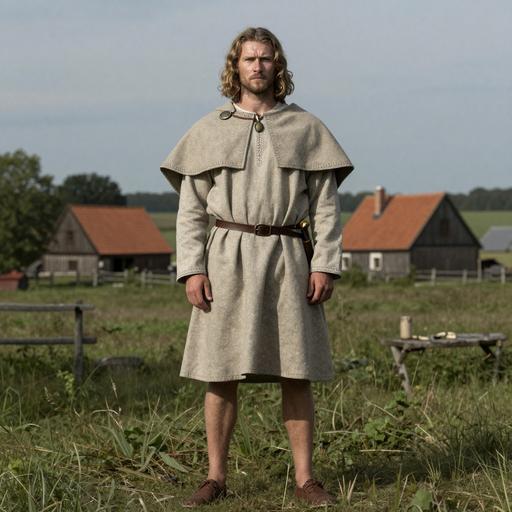
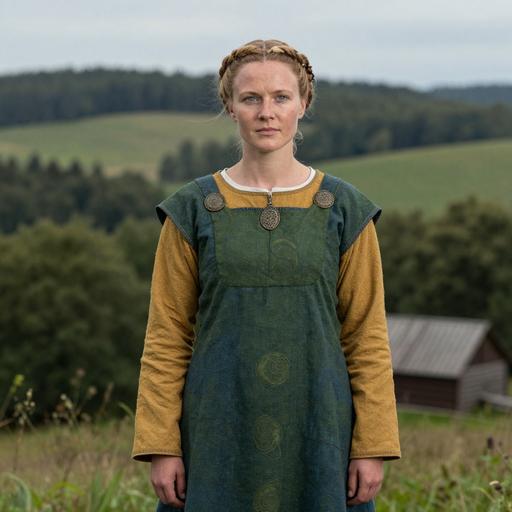
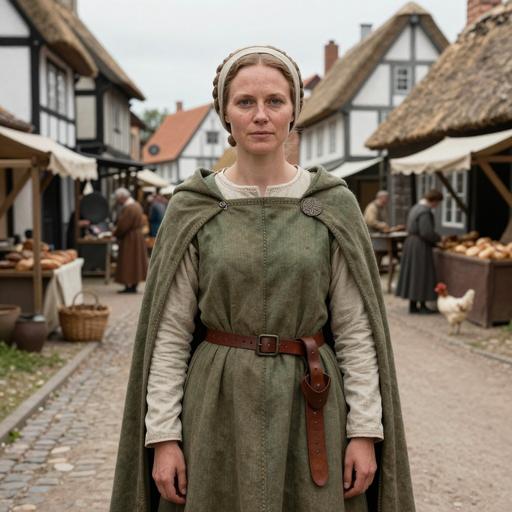
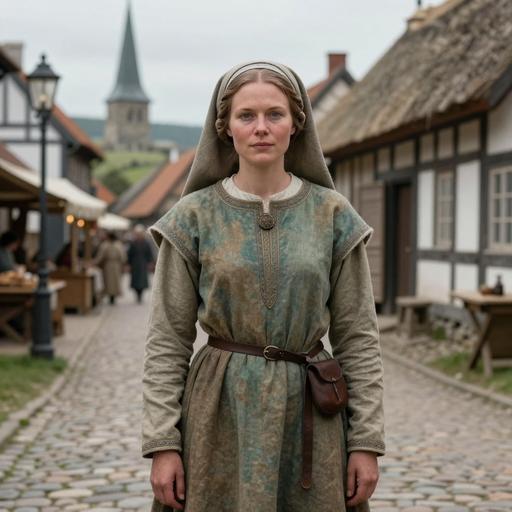
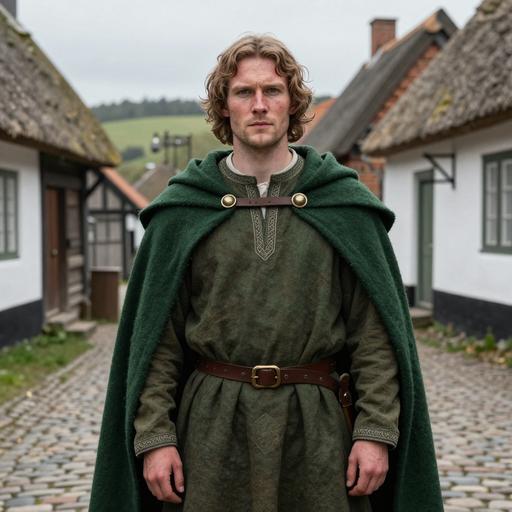
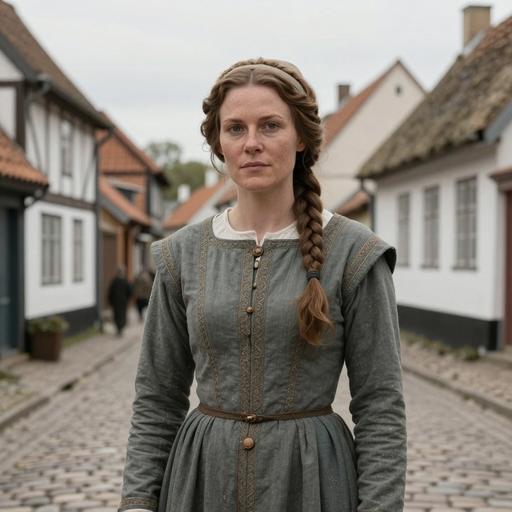
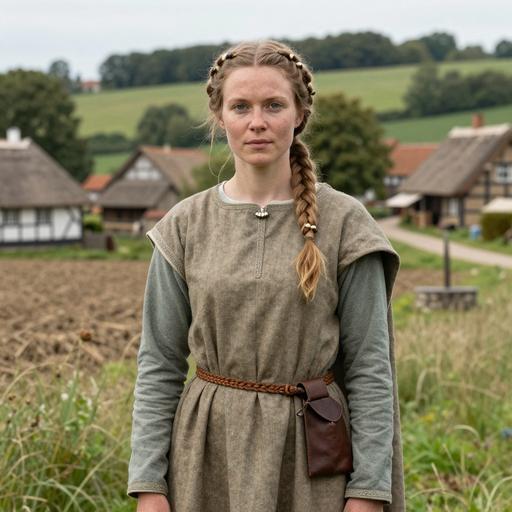
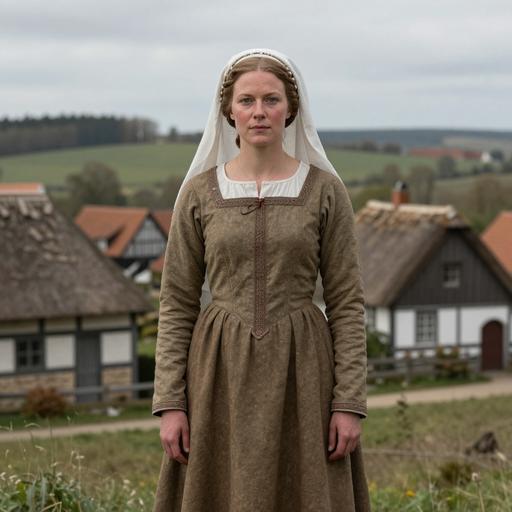
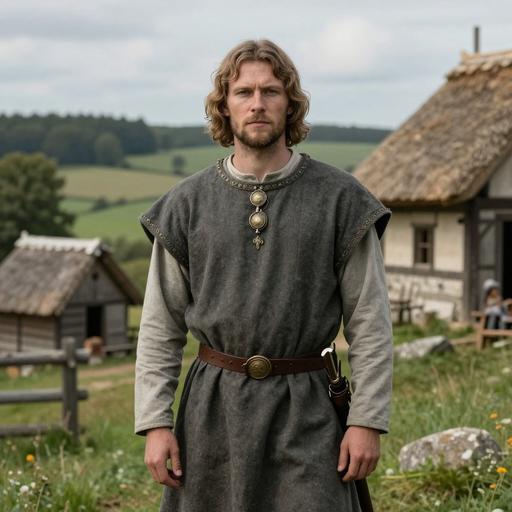
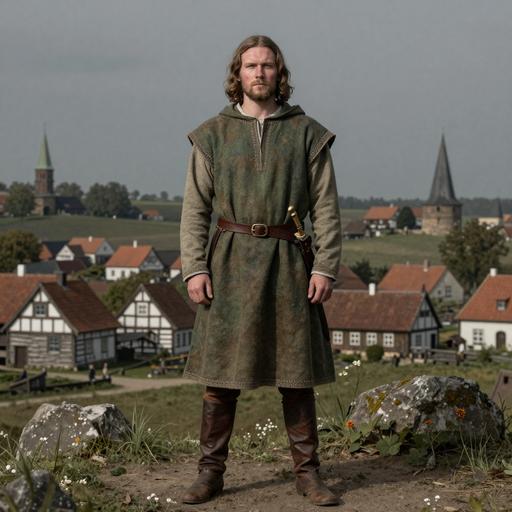
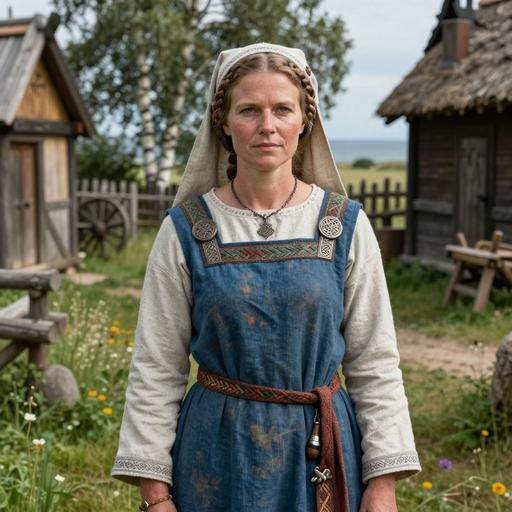
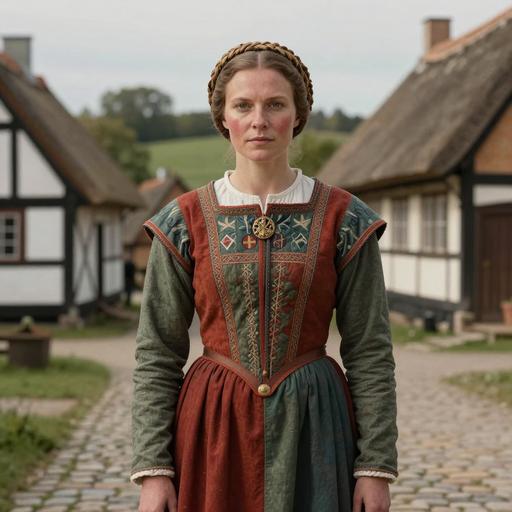
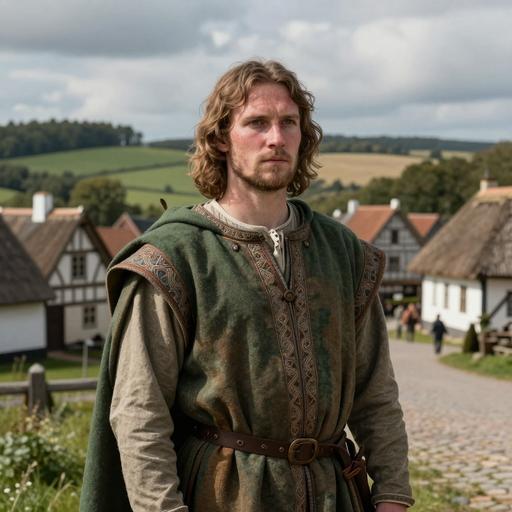
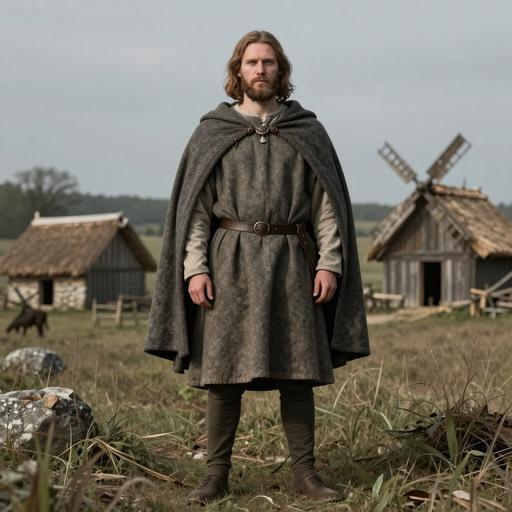
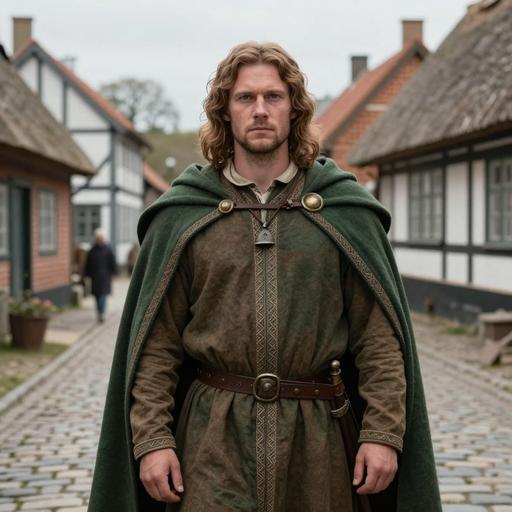
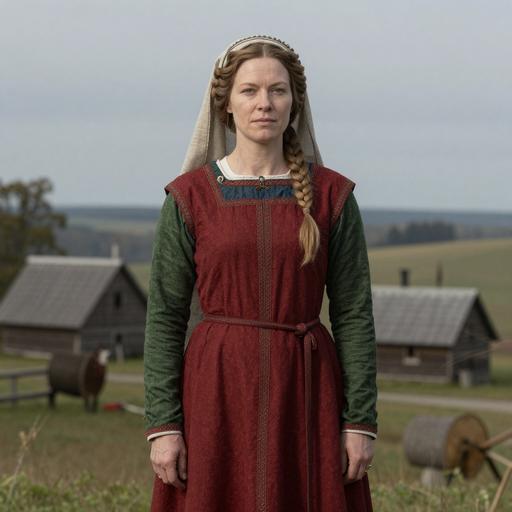
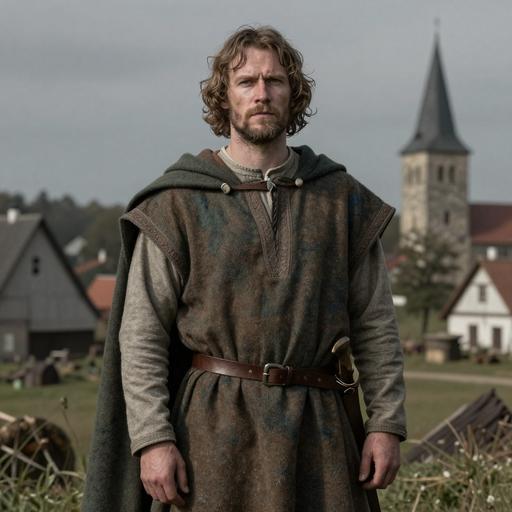
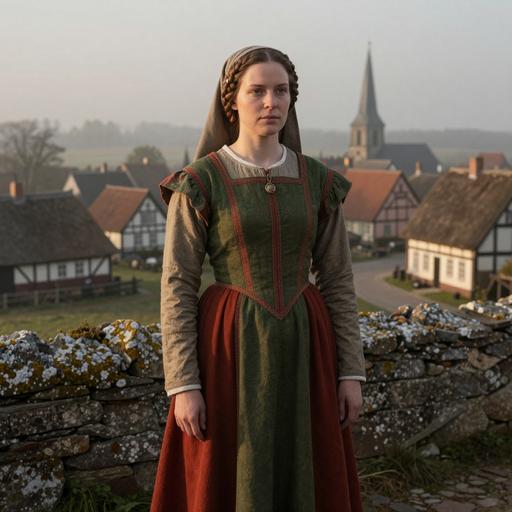
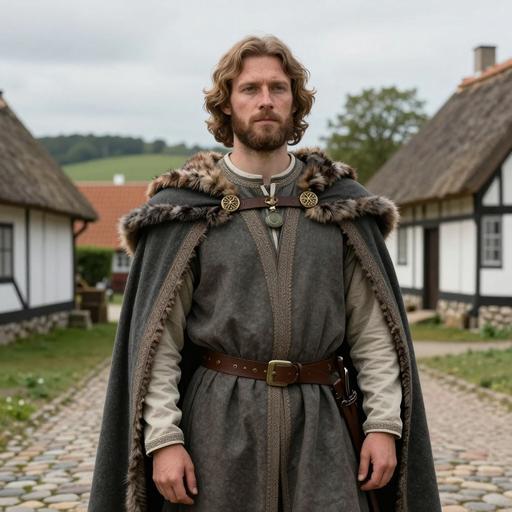
Material culture from contemporary Danish sites paints a vivid picture of medieval and early modern everyday life. Church burials often contain few grave goods due to Christian funerary norms, but associated finds in settlement layers—ceramics, metalwork, textiles imprints, and building remains—reveal agrarian households, craft specialization, and vibrant trade links across the North and Baltic Seas. In towns like Aalborg and Holbæk, archaeological layers record timber-framed houses, borough markets, and imported goods such as Rhenish pottery, indicating participation in wider Northern European exchange networks.
Skeletal evidence from churchyards can show health stresses: enamel hypoplasia, osteoarthritis from labor, and evidence of infectious disease in population-level patterns. These signals complement historical records of famine, taxation, and urban growth. Burial orientation and churchyard stratigraphy reflect ecclesiastical control and evolving social identities. Importantly, genetic data tied to these burials allows us to pair biological ancestry with lifeways—linking lineage patterns to urban migrants, local farming families, or individuals who may have moved along maritime routes.
Archaeological context therefore provides the social stage on which genetic stories play out: a person buried in a Holbæk town plot could be the descendant of long-standing local lineages, or an immigrant whose DNA records connections beyond Denmark.