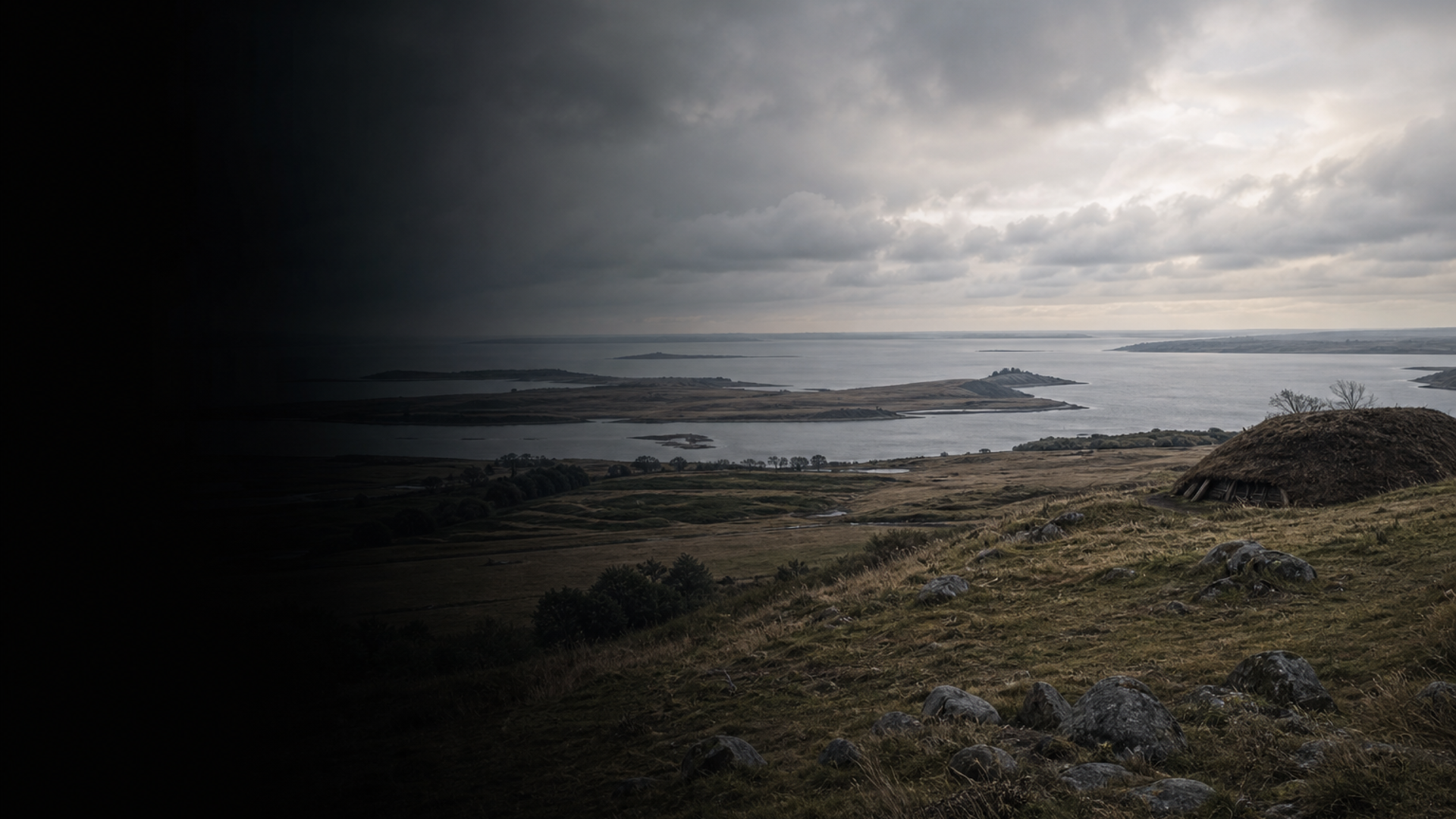
Daily existence in Iron Age Denmark balanced the familiar and the dramatic. Farmsteads cultivated rich soils on Sealand and the Jutland peninsula: barley, rye and livestock underpinned subsistence, while artisans produced textiles, iron tools and bone objects. Coastal and riverine routes provided avenues for exchange — amber, iron goods and Roman imports appear in the archaeological record, attesting to participation in wider economic webs.
Archaeological data indicates a landscape where households were the primary economic units, but communal gatherings — seasonal markets, funerary rites, and ritual depositions — reinforced social bonds. Bog finds and wetland assemblages, particularly at Alken Enge, reflect exceptional events: assemblages of weapons, human remains, and curated objects that archaeologists interpret as either battlefield debris, sacrificial offerings, or both. Craft specialization and evidence for long-distance goods suggest social differentiation and connectivity rather than isolation.
Material culture evokes a tactile world of woven textiles, iron knives, and wooden boats: everyday objects that also carried status and identity. Burial practices, settlement patterns, and votive deposits together create a textured sense of communities negotiating continuity and change across the first half of the first millennium CE.