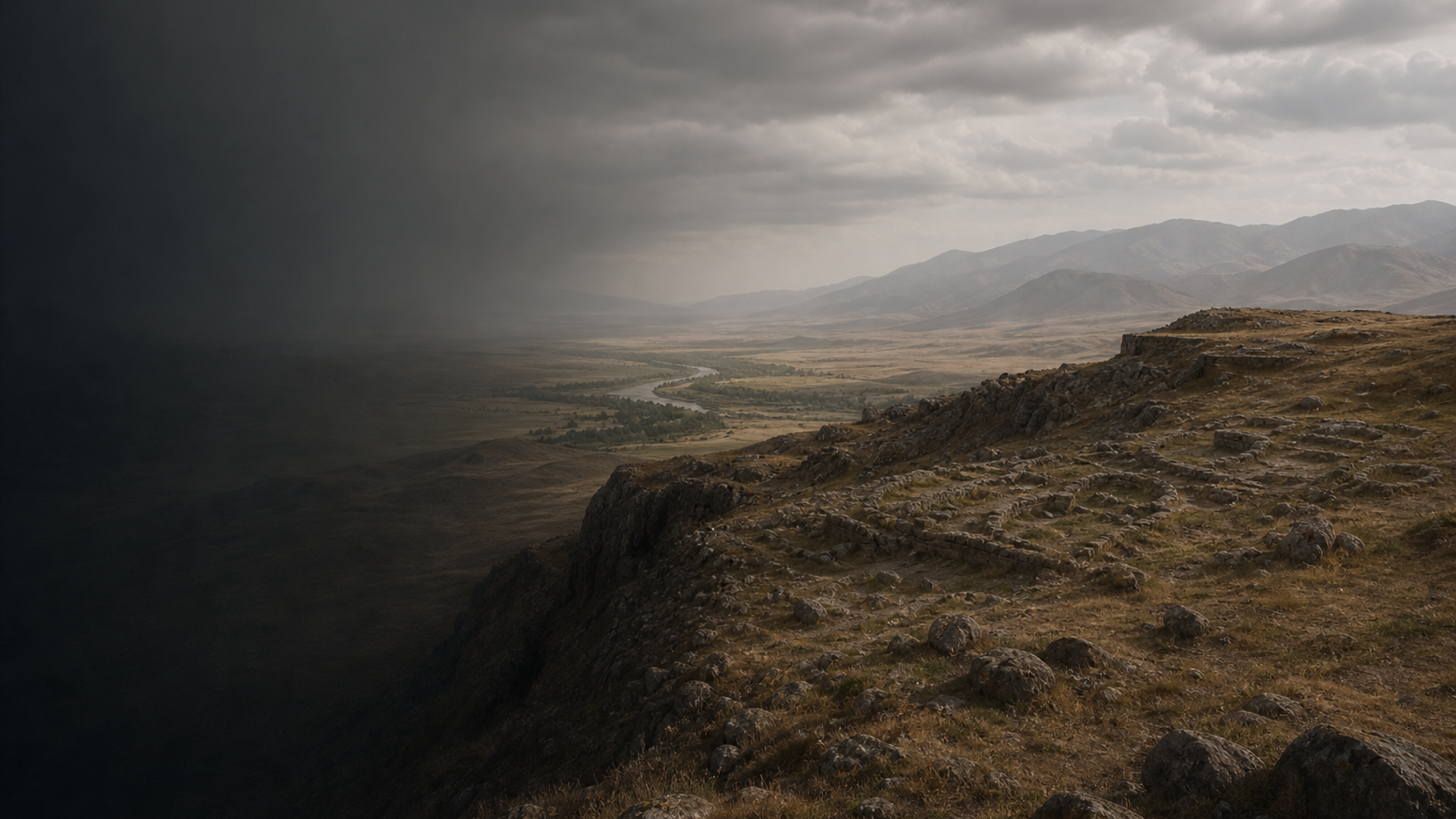
Archaeological remains around Didnauri evoke a world of terraced fields, herded flocks, and workshops glowing with bronze. Pottery fragments, hearths, and burial deposits suggest households organized around mixed farming and pastoralism, with seasonal movements up valleys and down to river plains. Buckets of grain, ceramic bowls, and occupational debris speak to daily rhythms: food preparation, craft production, and communal rites.
Burials found in the region frequently contain grave goods—tools, ornaments, and occasional metal items—that hint at social differentiation but not extreme hierarchy. The material record indicates networks of exchange: raw metals and exotic forms moved into the Kura basin, while local products circulated outward. Settlement patterns imply small communities, probably kin-based, with social life organized around clan or lineage ties rather than large urban polities.
Archaeological data indicates a resilient rural lifeway adapted to fluctuating climates and shifting trade. The impression is cinematic—smoke rising over corrugated roofs, shepherds threading high pastures, craftworkers hammering bronze—with everyday resilience framing occasional long-distance connections.