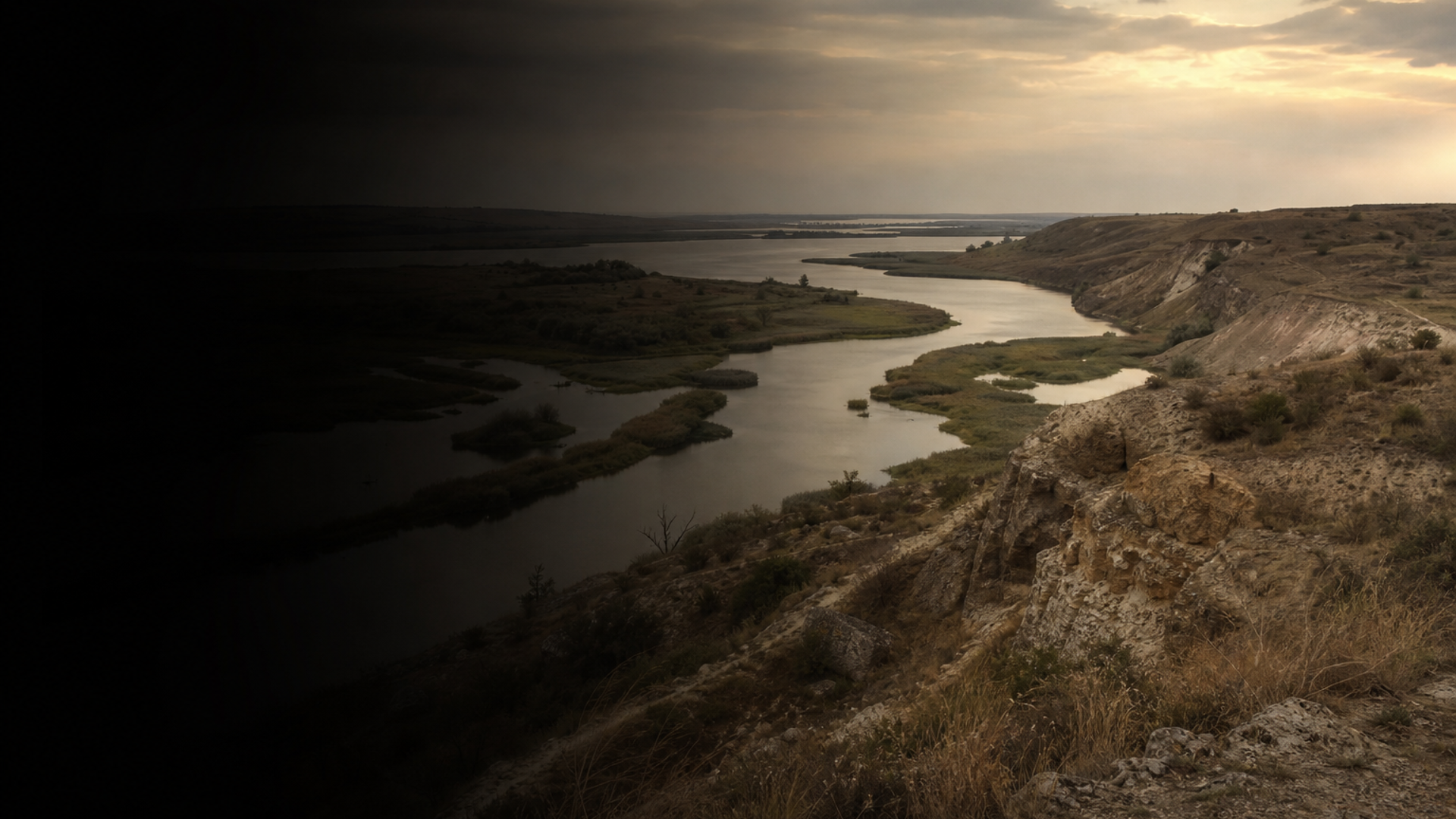
The Dnieper–Mariupol communities lived in a landscape of braided channels, rich wetlands, and seasonal fisheries. Archaeological data indicates diets dominated by fish, wild game, and gathered plants, supplemented in places by cultivated plants as contacts with farming neighbors grew. Burial grounds — some extensive and repeatedly used over centuries — suggest complex mortuary practice: bodies interred with ochre, beadwork, and curated stone tools that may signal age, gender, or lineage.
Social life can be glimpsed in grave clustering and artifact distribution: some cemeteries show concentrations of richly adorned graves, while others are more uniform, hinting at variable social differentiation across time and place. Crafting of shell and bone ornaments produced objects that traveled in exchange networks along the river, echoing the Dnieper as both highway and lifeline. Seasonal mobility likely complemented more permanent riverine bases, and boats or simple dugouts were almost certainly central to movement and trade. While the material record paints vivid scenes, many interpretations remain provisional until more extensive contextual and isotopic data are available.