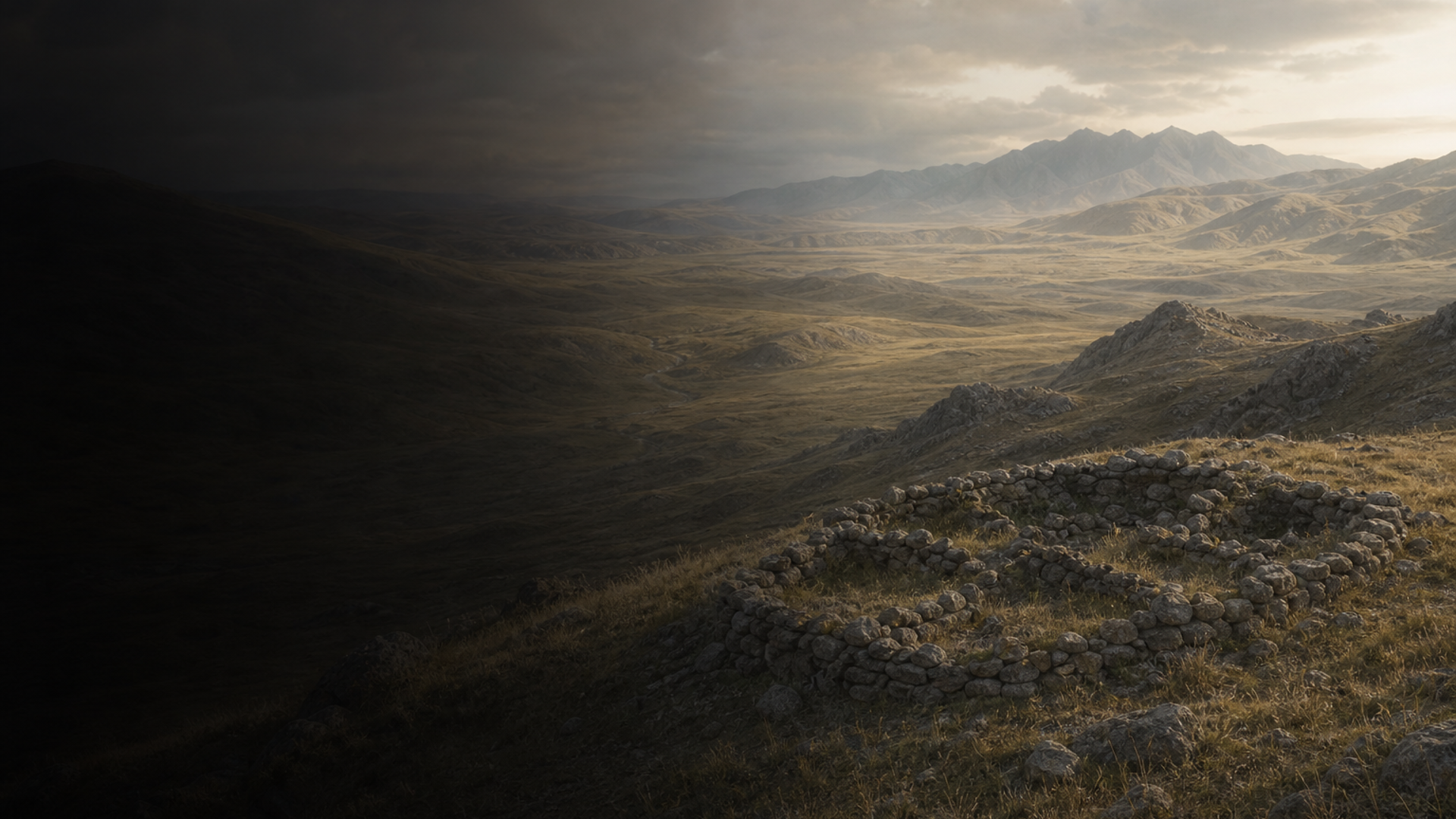
Archaeological traces from Iron Age Xinjiang suggest a landscape shaped by mobile pastoralism, seasonal movement, and nodes of exchange. At Dongtalede, the funerary remains and associated features imply communities organized around small kin groups whose livelihoods likely combined herding, hunting, and localized cultivation in river valleys. The Aletai foothills would have offered pastures in summer and sheltered routes for transhumant movement.
Material culture in contemporaneous sites across northern Xinjiang reveals objects and technologies transmitted along the Inner Asian corridors: metalworking techniques, horse-related equipment, and ceramic styles that blend eastern and western influences. Such objects are reminders of vibrant contact networks rather than isolated cultures. Social organization may have emphasized household and clan ties, with burials reflecting both everyday identity and wider affiliations.
Because the Dongtalede sample is archaeologically sparse, reconstructions of social life must remain cautious. The cinematic image of mounted herders traversing mountain passes fits broader regional patterns, but the precise social structures of Dongtalede—leadership, wealth differentiation, ritual practice—require more excavation and contextual study.