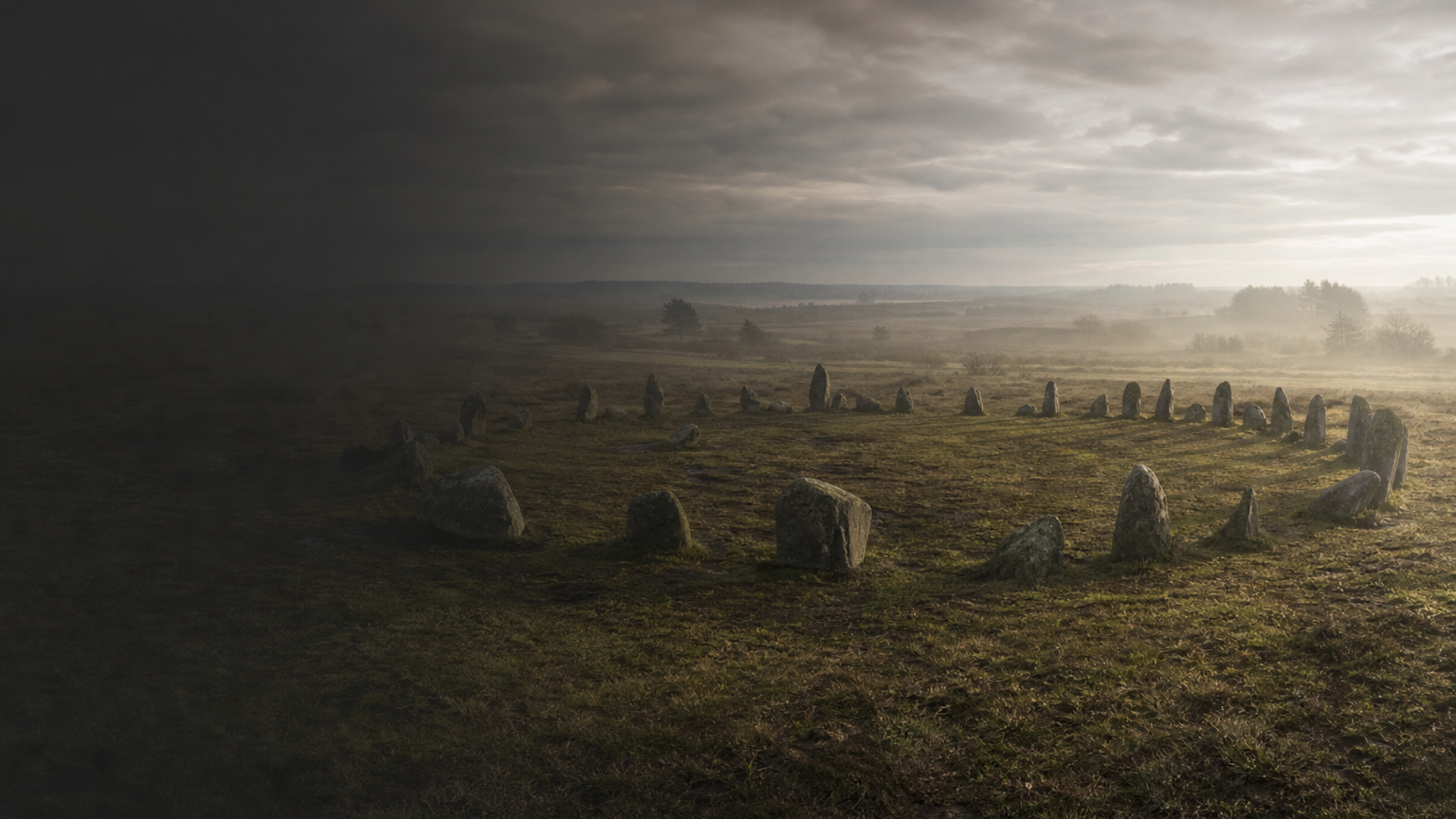
Archaeological context for Drantum is dominated by human remains rather than large assemblages of associated buildings or artifacts; as a result, reconstruction of daily life relies on comparative evidence from Saxon-period northern Germany. Contemporary settlements in Lower Saxony combined mixed farming, animal husbandry, and seasonal exchange, and burial practices reflect kinship and household-based social organization. The Drantum burials, when paired with regional cemetery patterns, imply communities where family ties, landholding, and small-scale craft and trade structured daily existence.
Saxon social landscapes were not static: seasonal mobility, regional trade along rivers, and occasional long-distance contacts—through marriage, raiding, or pilgrimage—would have introduced new people and goods. Isotopic studies at similar sites often reveal a majority of locals with a minority of non-local individuals, a pattern consistent with limited but significant mobility. Grave variation across the region indicates social differentiation, but at Drantum the small sample and limited grave inventories mean interpretations must be cautious. Osteological evidence can hint at diet, workload, and health: skeletal markers typically reflect an agrarian life, with childhood stress episodes and adult activity markers tied to manual labor.
Together, the archaeological record and genetic snapshots suggest Drantum’s inhabitants lived in tightly knit, locally rooted households that nonetheless participated in broader northwestern European networks.