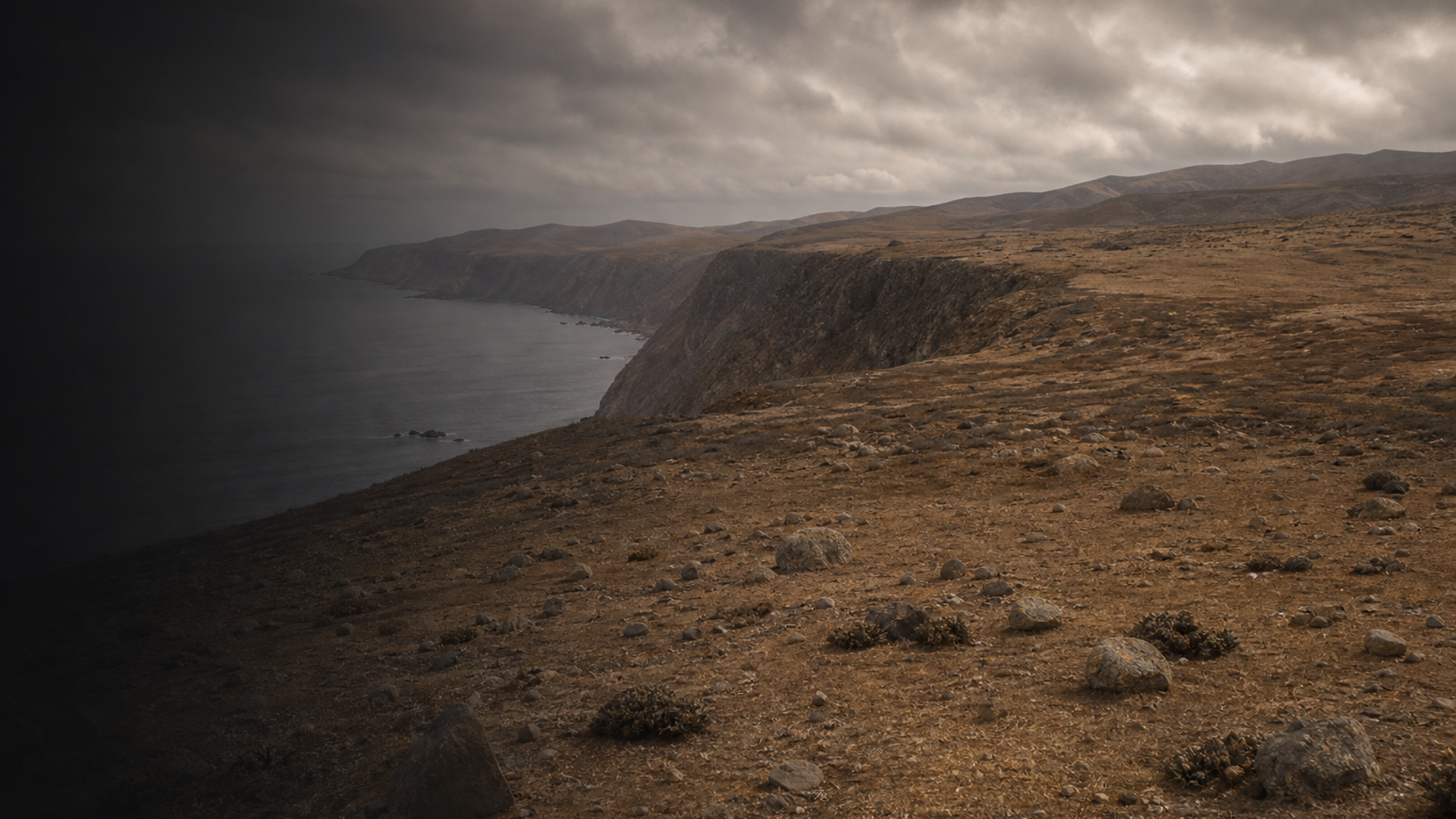
Life on San Nicolas Island was orchestrated by tide and season. Archaeological remains — dense shell middens, fish bone concentrations, worked stone tools, and probable boat-related artifacts — point to skilled kelp-forest fishing, shellfish gathering, and the hunting of pinnipeds from boats or shoreline ambush. Hearths and ephemeral structures inferred from features suggest seasonal encampments rather than large permanent villages, appropriate for a resource-rich but spatially limited island.
Social organization can be tentatively reconstructed from burial practice and artifact distributions. Burials found in discrete contexts imply care for the dead and possibly small kin groups occupying specific locales. Material culture shows both localized styles and elements that parallel mainland traditions, consistent with intermittent exchange or mobility. Limited evidence leaves open questions about social hierarchy, ritual complexity, and craft specialization; such interpretations remain provisional until larger comparative datasets are available.
Environmental constraints — freshwater availability, storm events, and island size — likely shaped population density, mobility strategies, and social networks with nearby islands and the California coast.