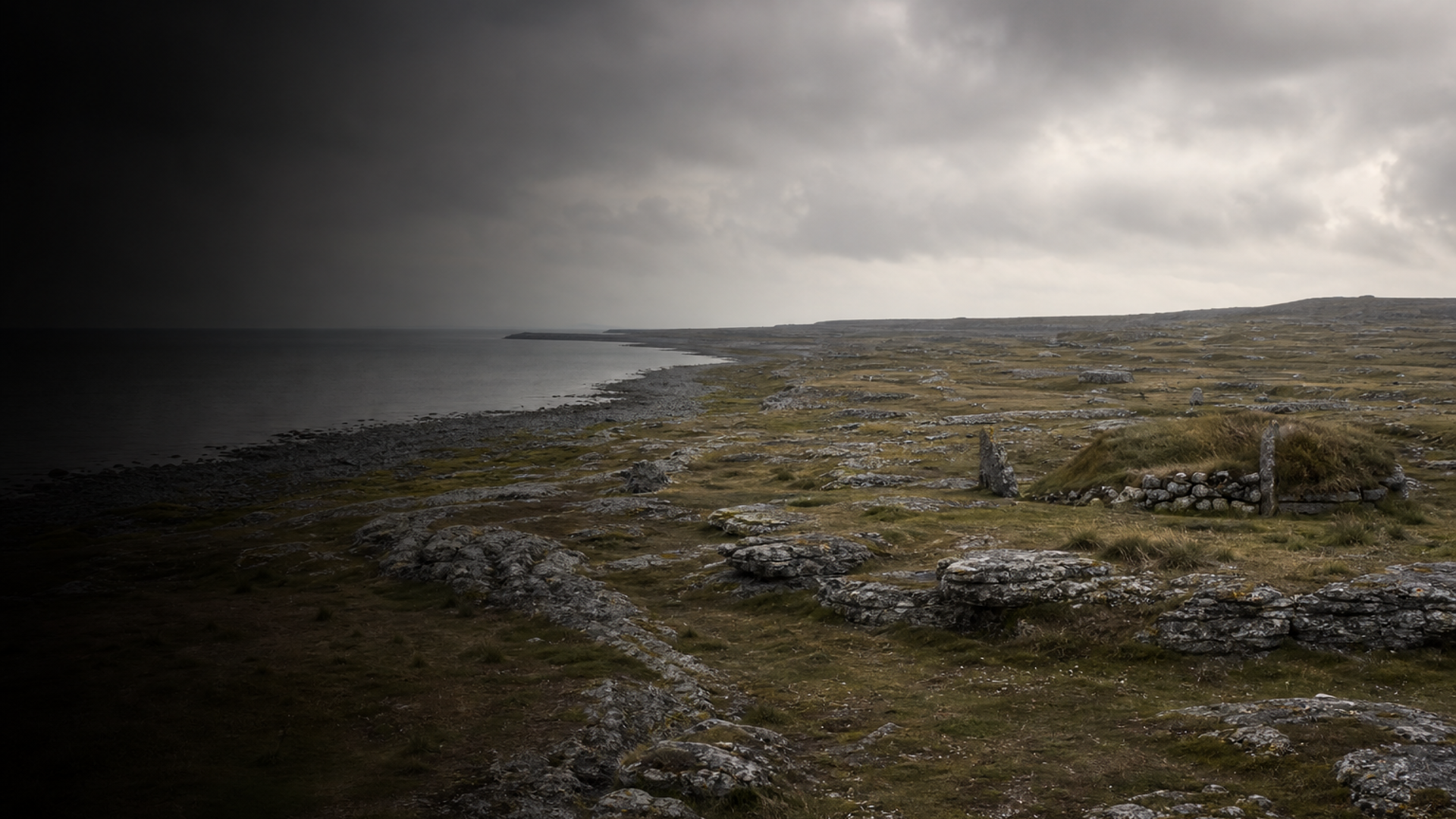
Archaeological traces paint a cinematic, tactile portrait of daily life: timber longhouses warmed by peat fires, boats moored in shallow bays, and toolkits for fishing, weaving, and metalworking that speak to a mixed subsistence economy. Excavated features across Öland’s coastal sites reveal hearths, postholes, and middens containing fish bone, domestic animal remains, and worked bone—evidence of a community intimately tied to sea and soil.
Grave goods, when present, are modest but meaningful: personal adornments, practical iron tools, and occasional exotic items point to social differentiation and connections beyond the island. Archaeological data indicates craft specialization at small scales—blacksmithing, textile production, and boat repair—supporting seasonal trade or tribute opportunities. Maritime technology and navigational knowledge underpinned mobility; the material record suggests seasonal movement, raiding, trading, and kin-based networks rather than uniformly large-scale colonizing expeditions.
Society on Öland thus appears rooted in kinship clusters and local leadership, with social prestige expressed through controlled access to sea routes and material tokens. However, the archaeological record is patchy: settlement evidence is fragmentary and burial practices variable, so reconstructions remain provisional pending further fieldwork and more comprehensive sampling.