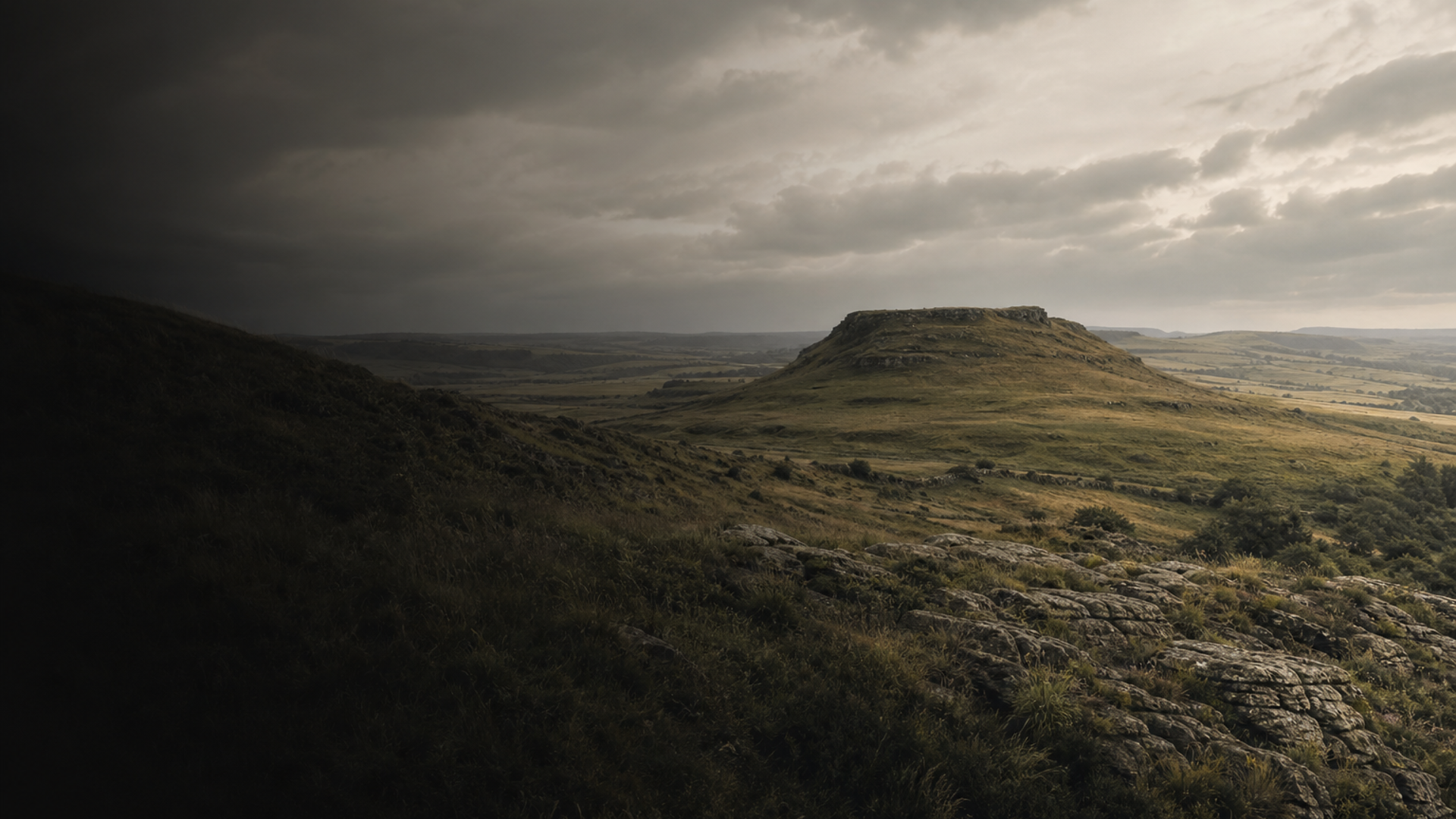
Daily life in East Yorkshire's Middle Iron Age would have been textured by the rhythms of fields, estuary tides, and seasonal craft. Archaeological data indicates mixed farming (cattle, sheep, cereals) as an economic backbone, while the Humber and nearby coasts facilitated exchange in raw materials and finished goods. Roundhouses and farmsteads clustered into small hamlets; occasional larger enclosures may have served as seasonal gathering places or loci of craft production.
Burial behavior reveals social nuance. Graves at Pocklington include both simple interments and more elaborate deposits, suggesting distinctions of age, gender, or status. Portable artifacts — pottery types, metalwork fragments, and personal ornaments — hint at a society attentive to display and identity. Wear patterns on tools and ecofacts reflect specialized tasks (textile production, metalworking, animal husbandry).
Archaeobotanical and zooarchaeological remains from the region point to a mixed diet augmented by riverine and coastal resources. Trade links with continental communities likely brought exotic objects and stylistic influences, but local forms and techniques remained resilient.
This was a lived landscape of hardworking households, seasonal mobility for resources, and growing social complexity; yet many details of everyday life remain hidden because of the fragmentary nature of the archaeological record.