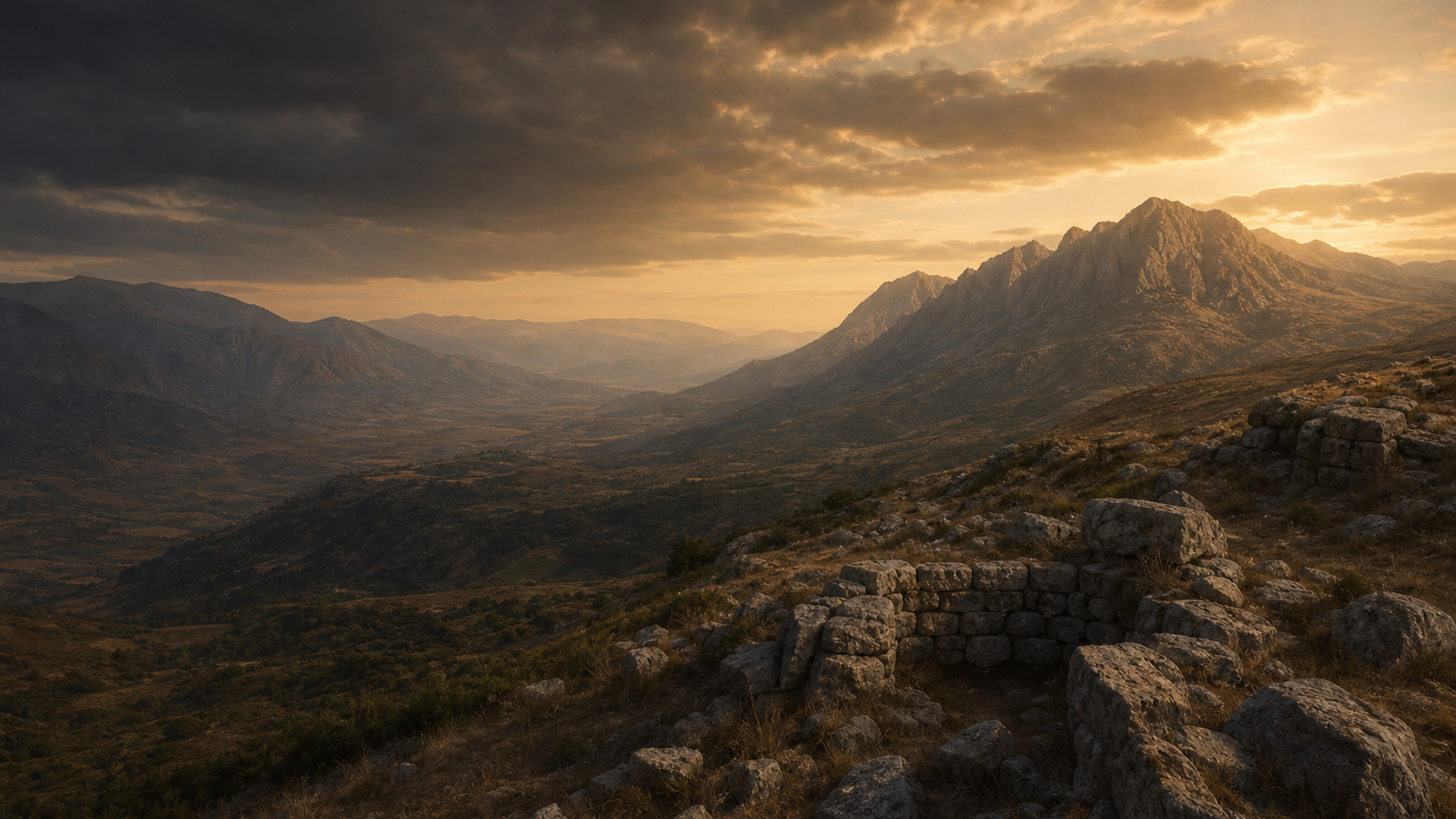
Archaeological remains from central Italy’s caves and hill sites paint a life lived close to varied landscapes—tilled fields, grazing slopes, and rich coastal shelves. Faunal and floral assemblages in contemporaneous contexts indicate mixed farming economies: cultivated cereals and pulses, domestic sheep and cattle, and opportunistic exploitation of wild resources. Grotta contexts like Grotta Continenza preserve layered deposits that suggest repeated seasonal or multi-generational use, with hearths, discarded pottery sherds, and worked bone.
Burial practices in the broader region are heterogeneous during this period. Some communities practiced simple inhumation, others placed selected remains in rock shelters or communal deposits; funerary variability likely indexes differences in household organization, ancestry, or ritual affiliation. Tools and personal ornaments found in Chalcolithic layers—flint blades, ground stone axes, and beads—suggest lives shaped by craft, mobility, and social signaling. Limited direct evidence from the three Italy_C individuals constrains specific reconstructions of social status or life history, but combined archaeological contexts intimate communities negotiating new social networks and technologies while maintaining longstanding subsistence strategies.
The tactile routines of daily life—seed processing, animal care, pottery repair, and seasonal migrations—are the backdrop against which rare genetic markers were carried and transmitted.