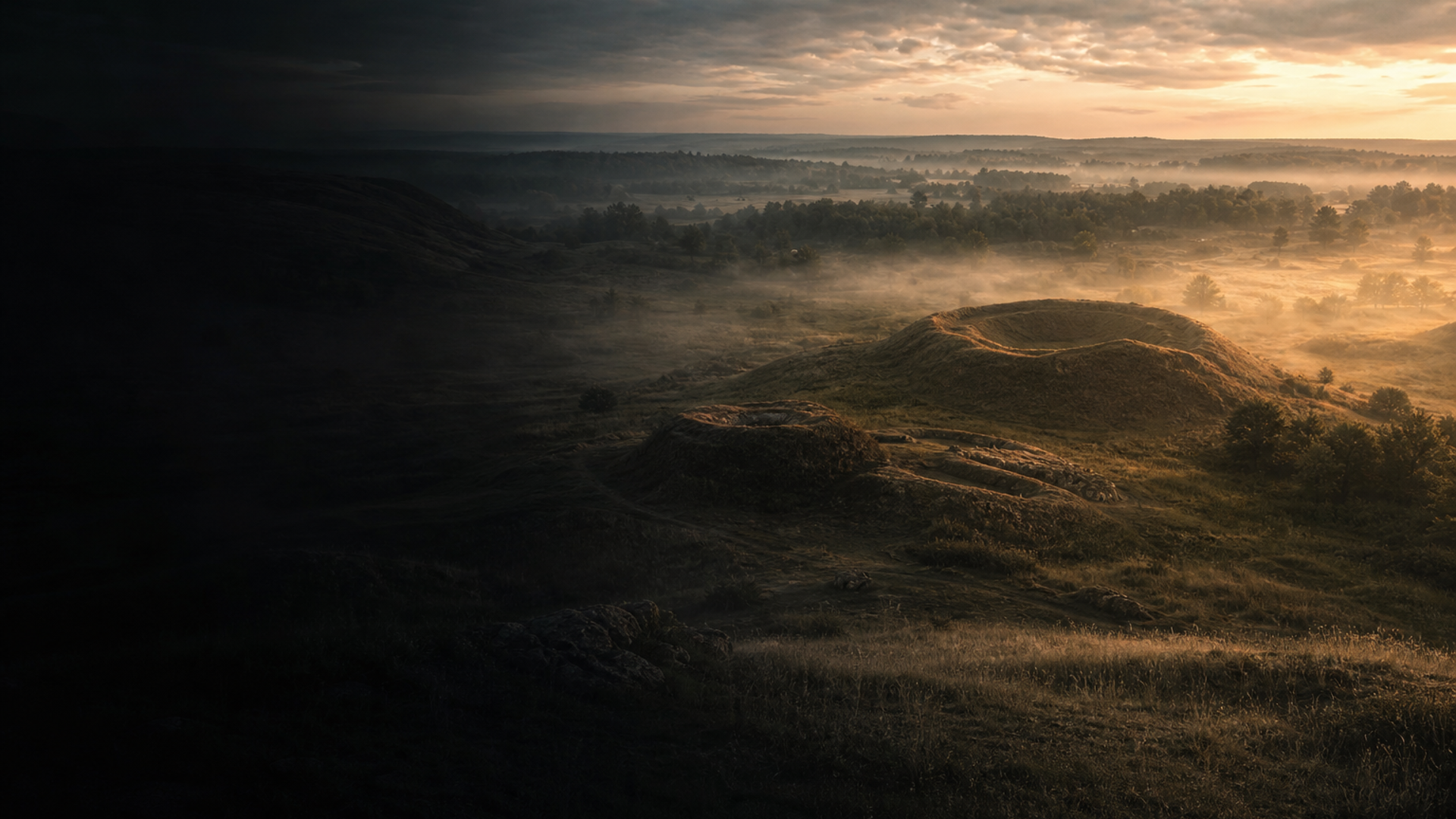
Daily life in Early Bronze Age Polish communities balanced subsistence farming with new craft specializations and exchange. Archaeobotanical and zooarchaeological work in the region indicates mixed cereal agriculture, cattle and pig husbandry, and woodland management—practices likely mirrored by inhabitants near Iwiny and Gustorzyn. Communities organized labor seasonally: planting and harvest cycles shaped settlement rhythms, while metalworking and long-distance trade introduced episodic economic and social opportunities.
Burial and mortuary practices across Early Bronze Age Poland are variable, reflecting local traditions and shifting social identities. While the three genetic samples here provide only a sliver of the population, their contexts were recorded within broader site stratigraphy that suggests family-level groups and small community cemeteries rather than large urban centers. Craft objects, potential status goods, and imported raw materials found at contemporaneous sites imply emerging social differentiation, perhaps visible in networked exchange rather than overt monumental display.
Material culture—pottery styles, metal fragments, and personal ornaments—served as visible markers of belonging and connectivity. For people living between 2340 and 1774 BCE, identity was negotiated through a mix of inherited customs and interactions with distant groups moving across Central Europe.