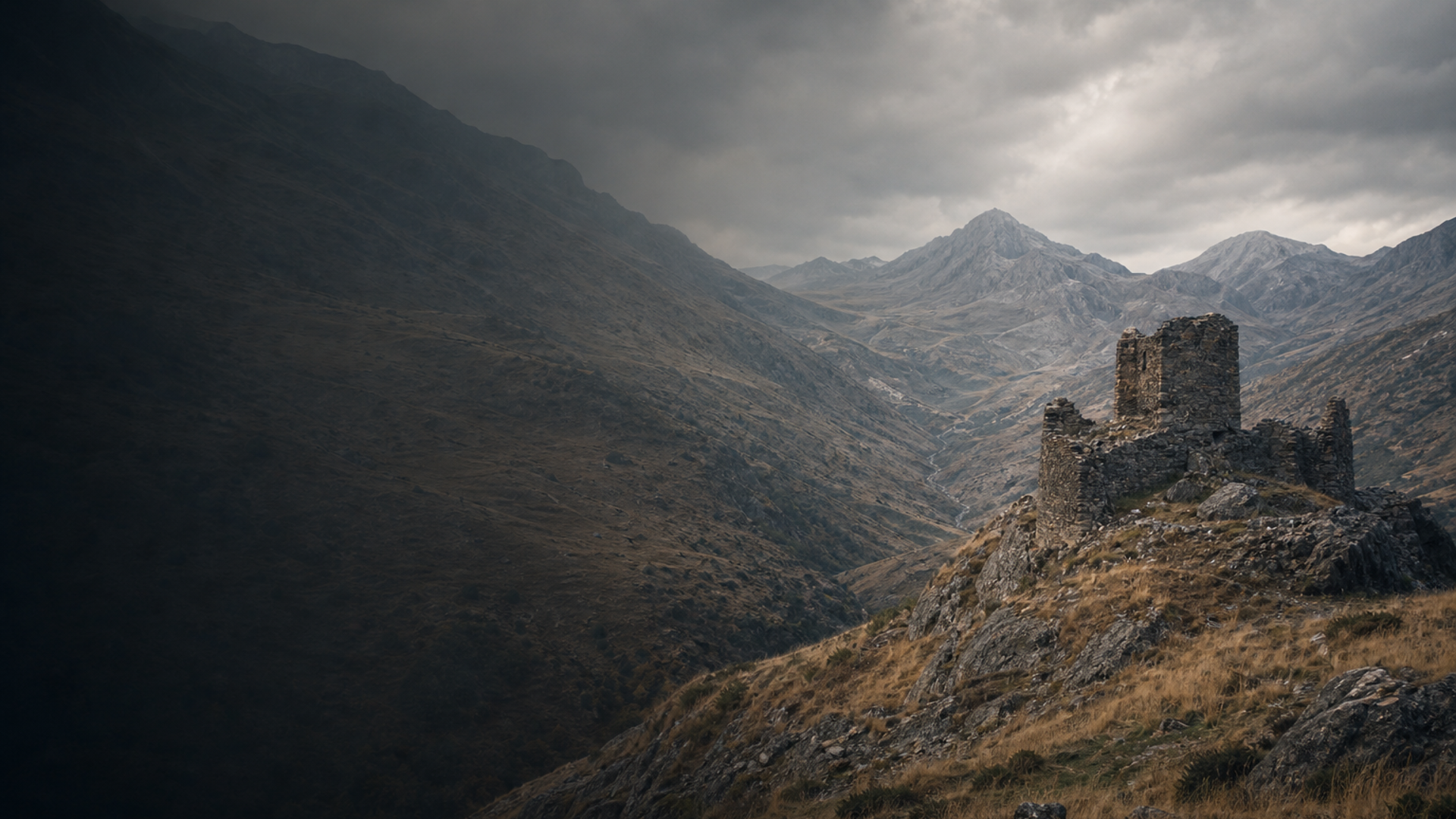
Archaeological traces from the broader region—settlement patterns, burial orientations, and portable material culture documented in regional surveys—evoke a quotidian world of mixed agrarian and pastoral lifeways. In the mountainous north near Kukes, seasonal transhumance and small-scale farming are historically attested practices; archaeological indicators from cemeteries and nearby habitations point to households tied to both valley fields and upland pastures. Domestic ceramics, metalwork fragments, and faunal remains (where recovered in regional contexts) suggest diets blending cereals, legumes, and pastoral products.
Social organization likely reflected kin-linked village units and local patronage networks under shifting Ottoman administrative structures. Grave goods and burial treatment in comparable regional sites indicate variations in status and gendered practices, though the five sampled burials here are insufficient to map social stratification definitively. Archaeological evidence therefore offers a cinematic but cautious reconstruction: villagers lived in a landscape of stone terraces, shepherded flocks across ridgelines, and navigated the economic and social currents of early modern Albania, all while maintaining long-standing local traditions.