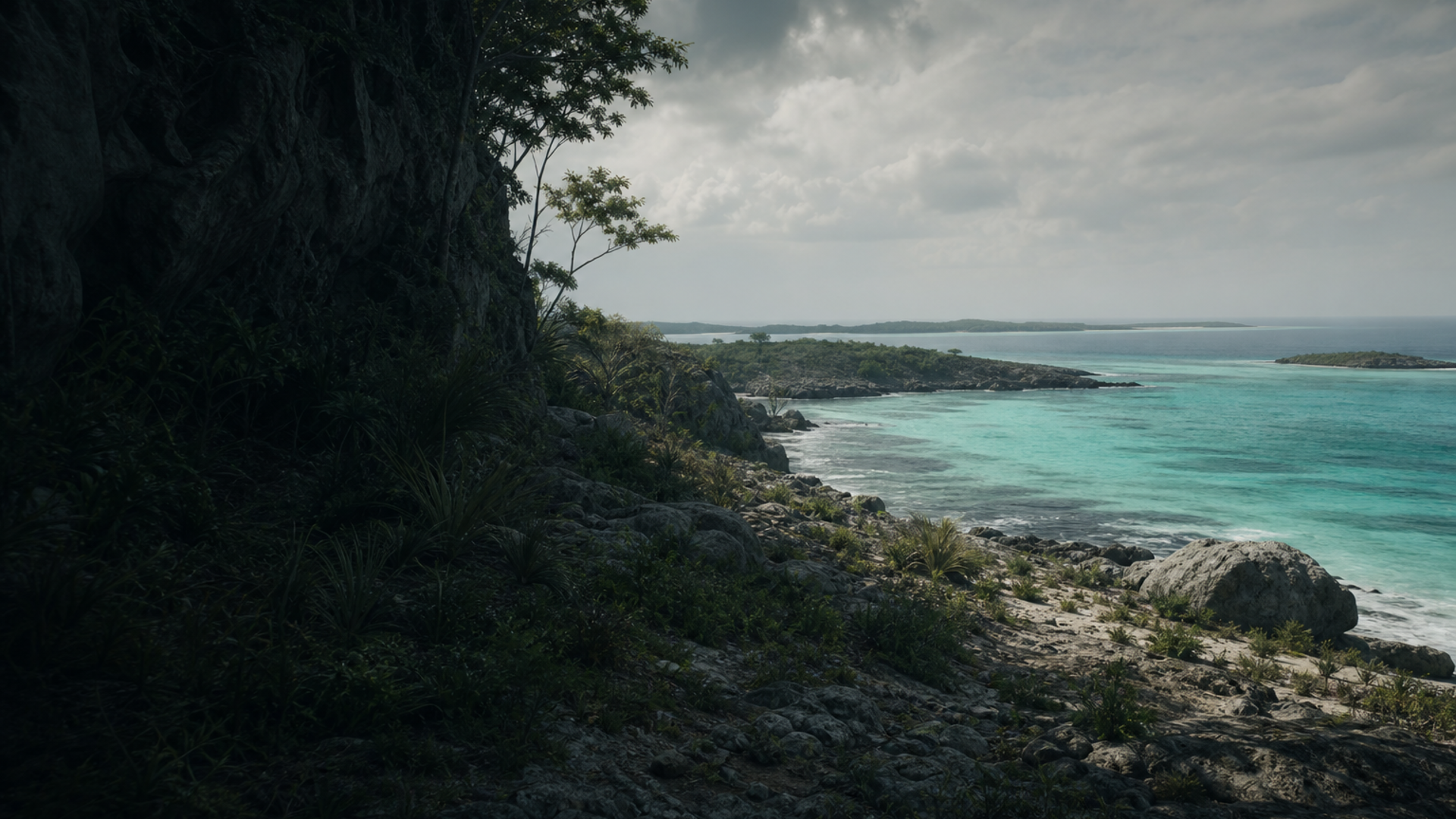
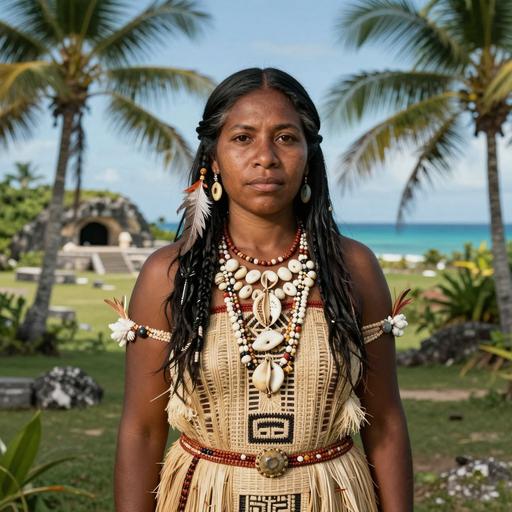
Life on Eleuthera during the Taino period unfolded along shorelines, where coral-sand soils shaped settlement patterns and subsistence choices. Archaeological deposits in Preacher's Cave and nearby loci preserve shellfish middens, fish bones, groundstone tools, and ceramic sherds—evidence of a mixed economy blending fishing, coastal foraging, and horticulture (manioc, sweet potato) introduced from mainland traditions. Houses were often lightweight, raised on platforms or simple cleared areas; communal plazas and ritual objects point to social hierarchies and ceremonial practice.
Material remains suggest woven baskets, netting, and carved wooden implements that rarely survive archaeologically but are inferred from use-wear and ethnographic analogy. Artistic expression—zoomorphic and geometric motifs on pottery and carved objects—reflects shared iconography across the Taino world, signaling long-distance social networks. Yet island life could be precarious: resource limits, seasonal storms, and inter-island mobility required flexible settlement strategies. Preacher's Cave itself may have served episodic domestic, defensive, or ritual roles over centuries, but the precise pattern of occupation is still under study.