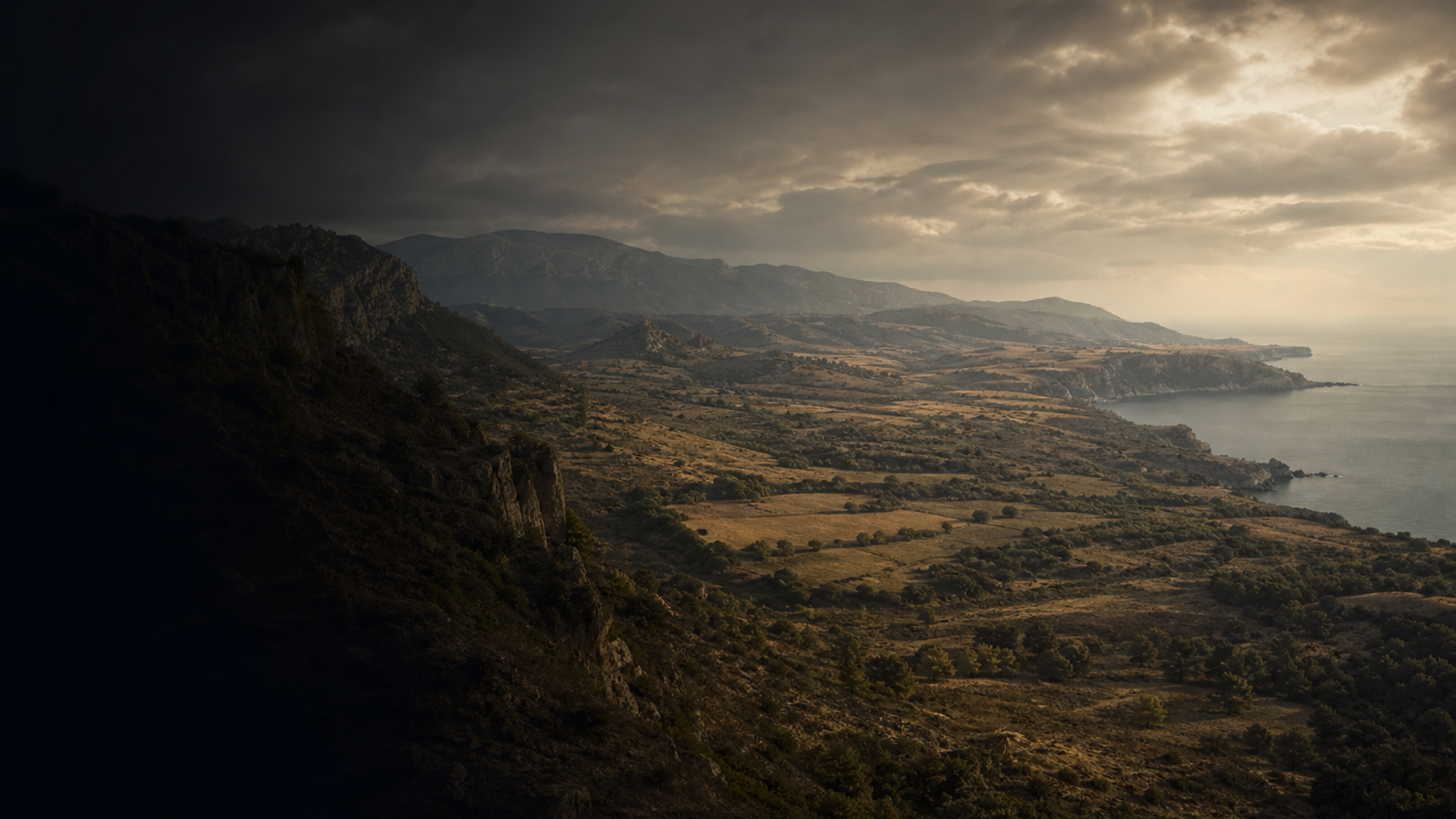
Life in Iron Age northeastern Iberia unfolded between terraced hills, river valleys, and an expanding network of coastal harbors. Excavations at Mas d'en Boixos-1 (Pacs del Penedès), Hort d'en Grimau (Castellví de la Marca), and Mas Castellar (Pontós) reveal craft workshops, storage structures, and communal spaces that speak to agricultural intensification, viticulture, and artisanal specialization.
Archaeological assemblages provide evocative snapshots: storage amphorae and imported ceramics attest to trade; loom weights and spindle whorls tell of textile production; iron tools and weapon fragments indicate both farming and conflict. Burial contexts vary from individual interments to collective deposits, reflecting social differentiation and changing mortuary customs over the centuries sampled.
Interactions with Mediterranean traders brought new objects — exotic metals, decorated ceramics, and symbolic motifs — which appear alongside locally produced wares. These material traces suggest a society negotiating identity: rooted in long-standing Iberian practices yet receptive to external influences. Osteological data are limited but show a range of dietary signals consistent with mixed farming and coastal resources.
Because the genetic sample derives from multiple sites within this region, interpretations about kinship, mobility, and social organization are promising but preliminary. Archaeology provides the narrative stage; DNA supplies individual lines of evidence that can confirm, refine, or challenge the stories written in pottery and bone.