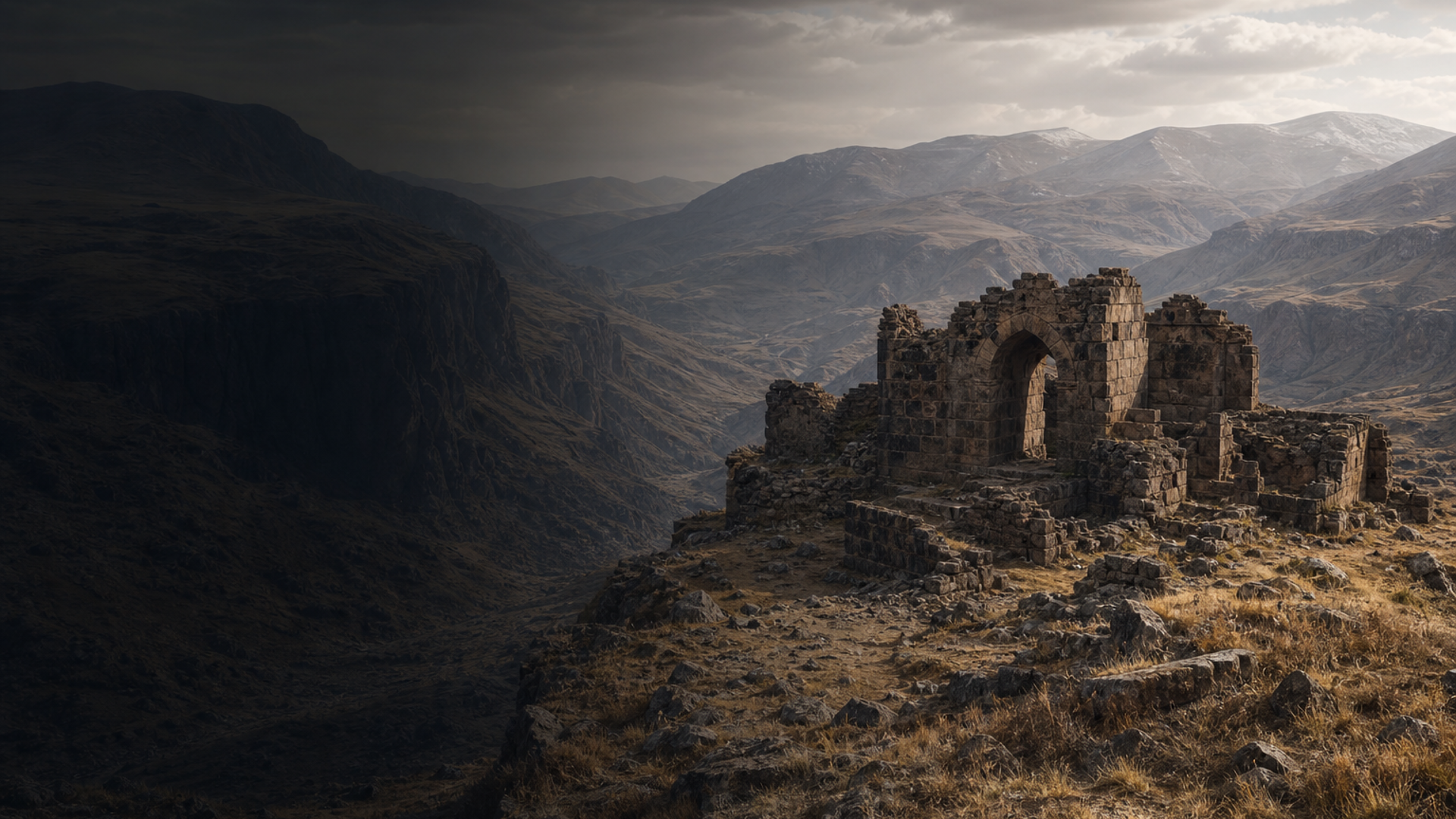
The archaeological imagination of modern Armenia often focuses on the intimate: village orchards, stone churches, markets clustered around river terraces and the rhythmic movement of flocks across volcanic foothills. In places like Armavir and Arzni, everyday life in 2000 CE combined industrial and agricultural livelihoods, family cemeteries, and a rich material culture of textiles, metalwork and religious objects that link households to longer traditions.
Material culture from historic and modern contexts—homes with multi-generational layers, cemetery monuments, and small-scale craft workshops—provides tangible anchors for genealogies and oral histories. In the sampled cohort, family papers and local memory (for example, families tracing ancestry to Kars and Akhuzyan) complement archaeological indicators and inform sampling provenance.
Archaeological data indicates that social organization in the highlands has long balanced kinship networks, church institutions, and seasonal mobility. For geneticists, this social fabric shapes patterns of relatedness: endogamy within villages, exogamous marriages in towns, and movements driven by trade or political change. Together, archaeology and life histories create a cinematic tableau of modern Armenian society—rooted, mobile, and layered with the past.