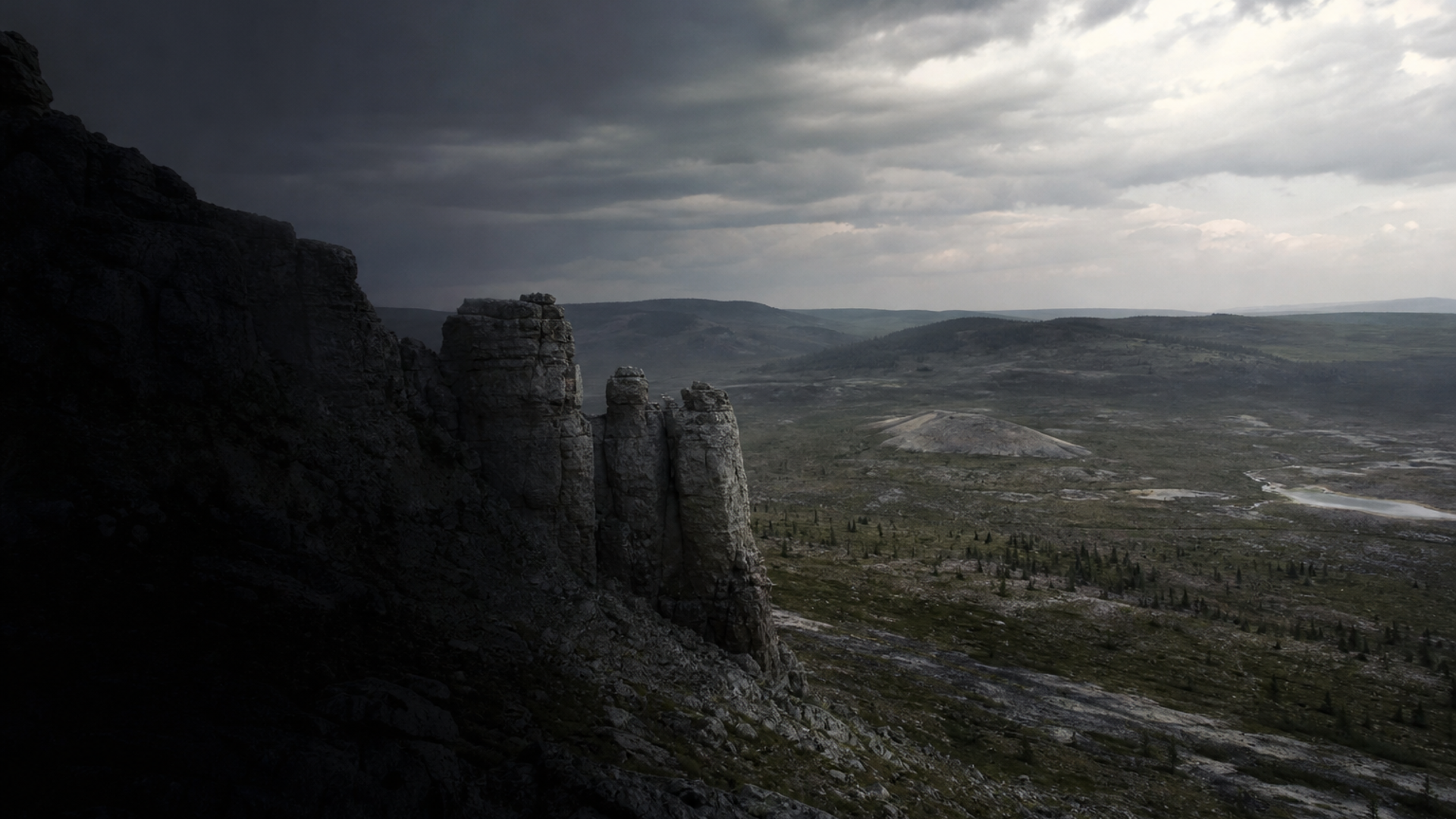
Archaeological traces from the modern era record the textures of everyday life: household objects, industrial detritus, municipal infrastructure, and recent mortuary practices. In Canada around 2000 CE, these remains reflect an era of globalization, technological transition, and changing land use patterns. Archaeological data indicates that preservation varies widely — organic materials may survive in waterlogged or cold microenvironments, while plastics and metals persist as long-lasting markers of consumption.
Fieldwork in such contexts often focuses on salvage archaeology, forensic recovery, and documentary archaeology. The material culture recovered can illuminate habits of mobility, resource extraction (notably in northern settlements like Uranium City), and the intersection of Indigenous and settler landscapes. However, because these samples are few and contexts unevenly recorded, reconstructions of social life remain interpretive snapshots rather than comprehensive portraits.
Ethnographic sources, oral history, and municipal archives are vital for reading the archaeological record of this period honestly and richly. Where descendant communities are involved, ethical collaboration is essential to align research goals with respect for living traditions and rights.