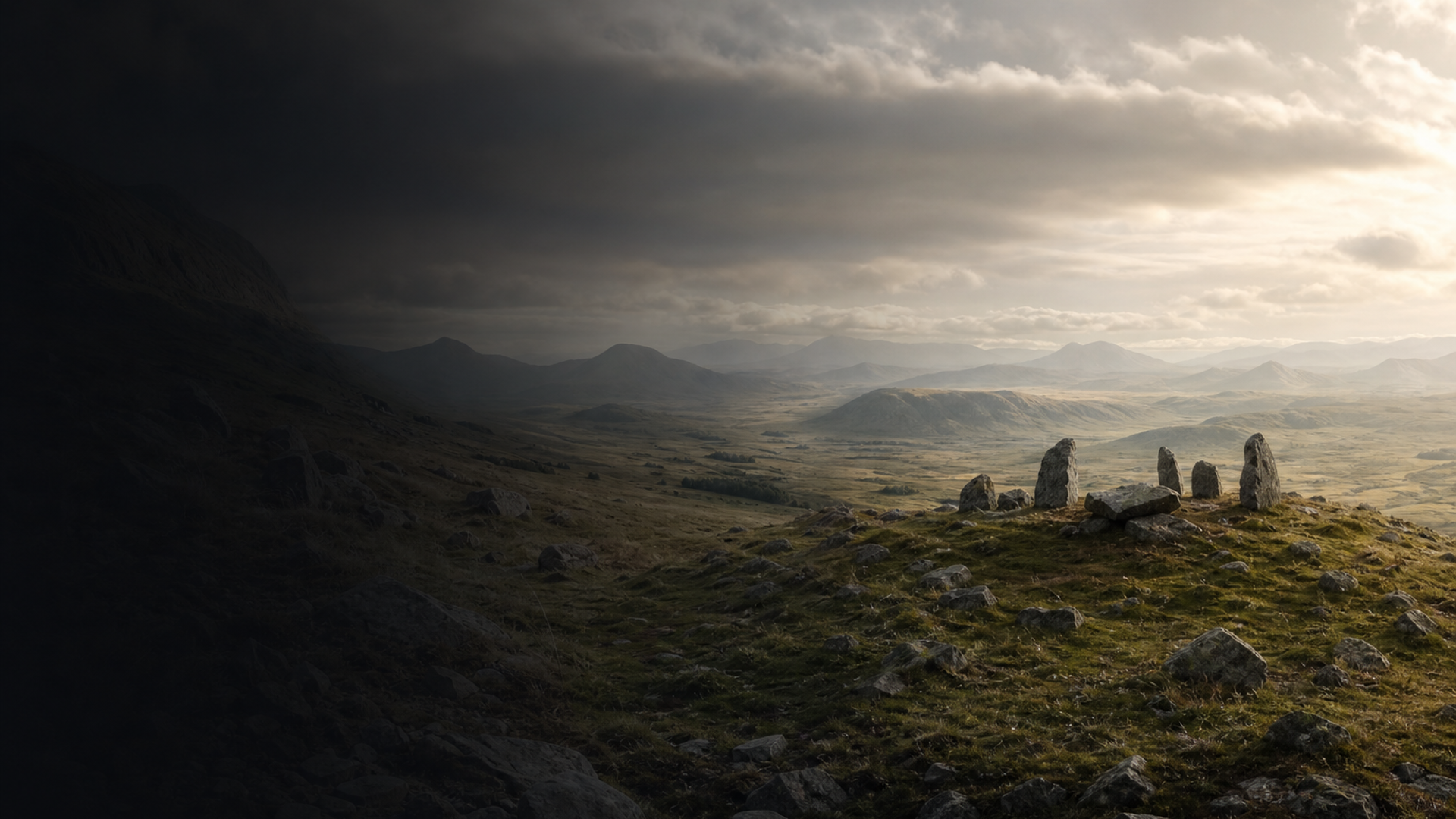
Life around these monuments combined subsistence farming, coastal foraging and specialized craft practices. Archaeobotanical and zooarchaeological patterns across Neolithic Scotland indicate mixed cereal cultivation, domestic cattle and sheep, and intensive use of coastal resources—shellfish, fish and sea mammals—especially on island landscapes like Orkney. People lived in nucleated farmsteads and dispersed hamlets; monuments anchored seasonal gatherings, rituals and perhaps redistribution of resources.
Material culture—stone tools, pottery, polished stone axes and personal ornaments—speaks to skilled craftsmanship and long-distance exchange. The scale of some cairns and tombs suggests coordinated labor beyond single households, implying social ties that could span kin groups and neighboring communities. Mortuary deposition within chambered cairns reflects collective identities: the dead were curated within monuments that continued to be visited and re-used across generations.
However, direct evidence for social hierarchy, political structures or precise seasonal routines remains limited. Organic preservation is uneven and the present genetic sample is small, so reconstructions of everyday life must remain cautious and open to revision as more data arrives.