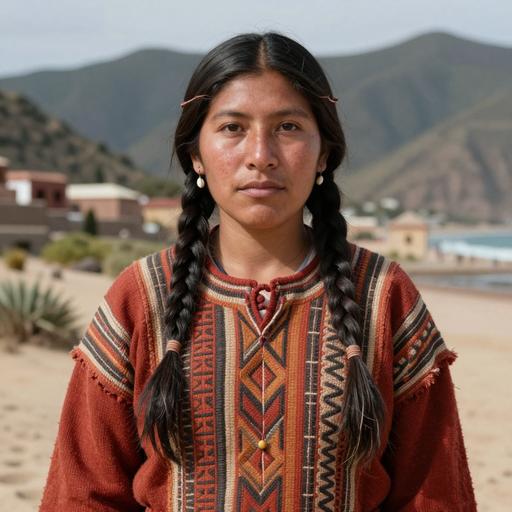
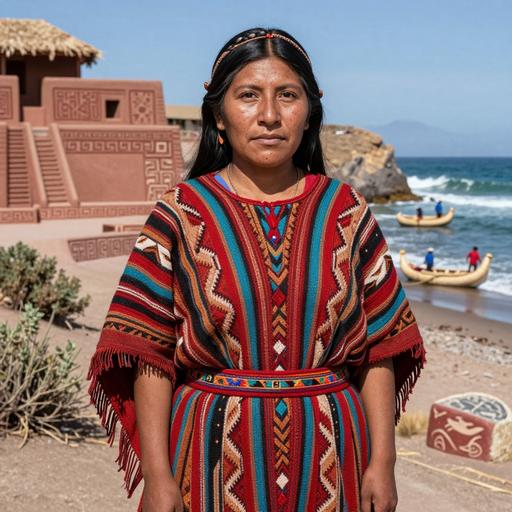
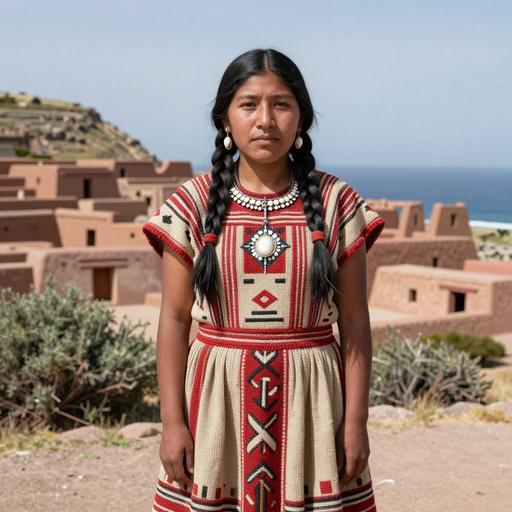
Genetic analysis of 108 ancient individuals from Peru, Bolivia, and Chile reveals a coherent Andean signature through time, with nuanced regional variation. Male lineages are dominated by Y-haplogroup Q (53/56 Y-calls), consistent with longstanding paternal continuity in South America; rare CT and P calls (2 and 1 respectively) may reflect technical ambiguity or low-frequency inputs. Maternal diversity is richer: mtDNA haplogroups B2 (28), C1b (22), D1 (12), C1c (11), and B2b (9) together indicate multiple maternal lineages persisting across millennia.
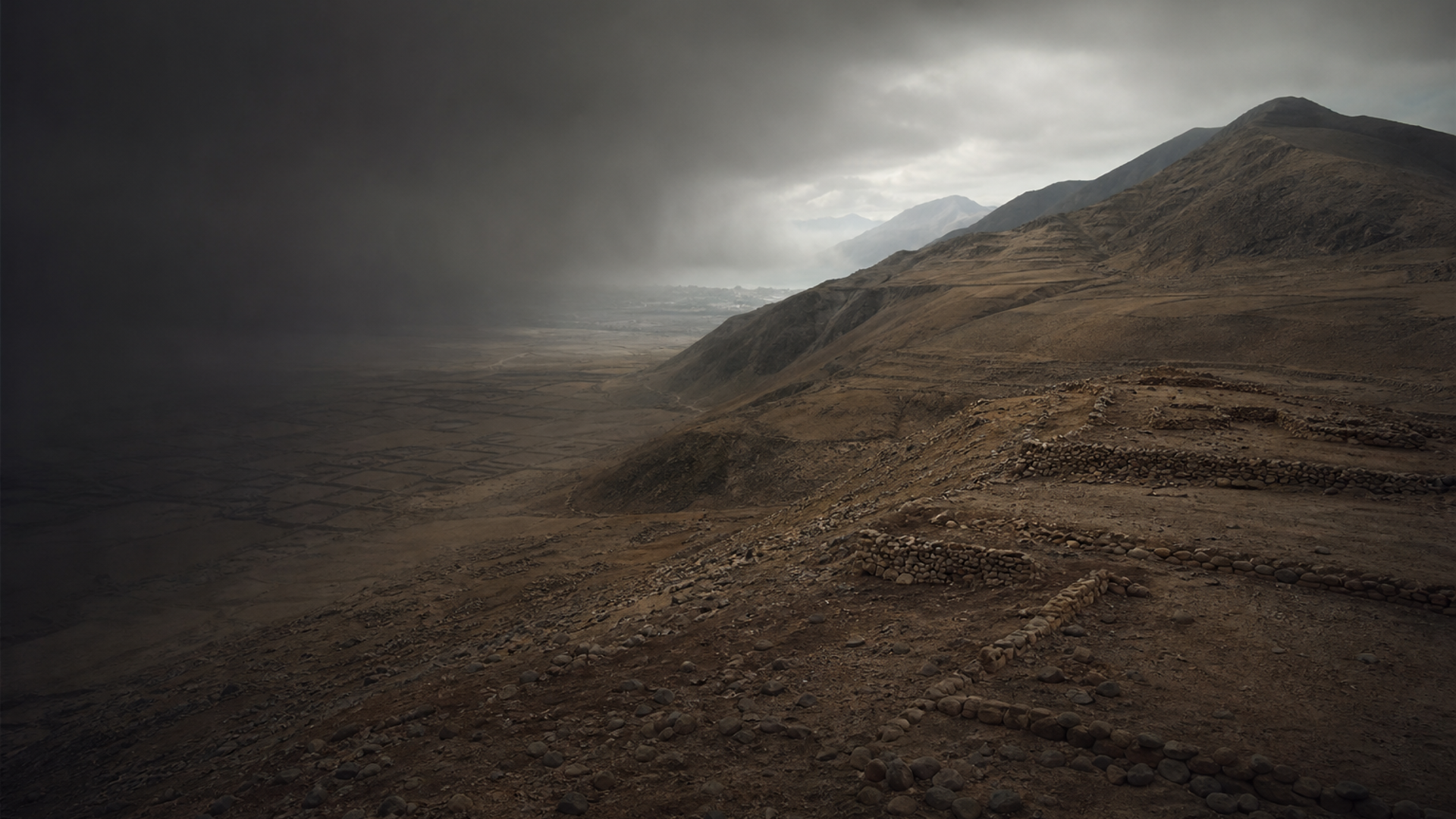
Population structure inferred from genomes suggests strong highland continuity, particularly in central Andean valleys (Lauricocha, Laramate, Cotahuasi), punctuated by episodes of gene flow. Coastal samples (Arica, Huaca Pucllana) show affinities to highland groups but also signals compatible with coastal-forager ancestry found in Late Archaic Chinchorro contexts. Middle Horizon and Tiwanaku-period individuals (Akapana, Lukurmata, Pumapunku, Putuni) show genetic homogeneity across parts of the Titicaca basin, reflecting demographic expansion or increased connectivity during that era.
While 108 samples provide robust temporal coverage, uneven geographic sampling and preservation bias limit fine-scale inferences. Limited samples from some periods or sites mean conclusions about local migrations or elite-specific mobility should be treated as provisional pending broader sampling.