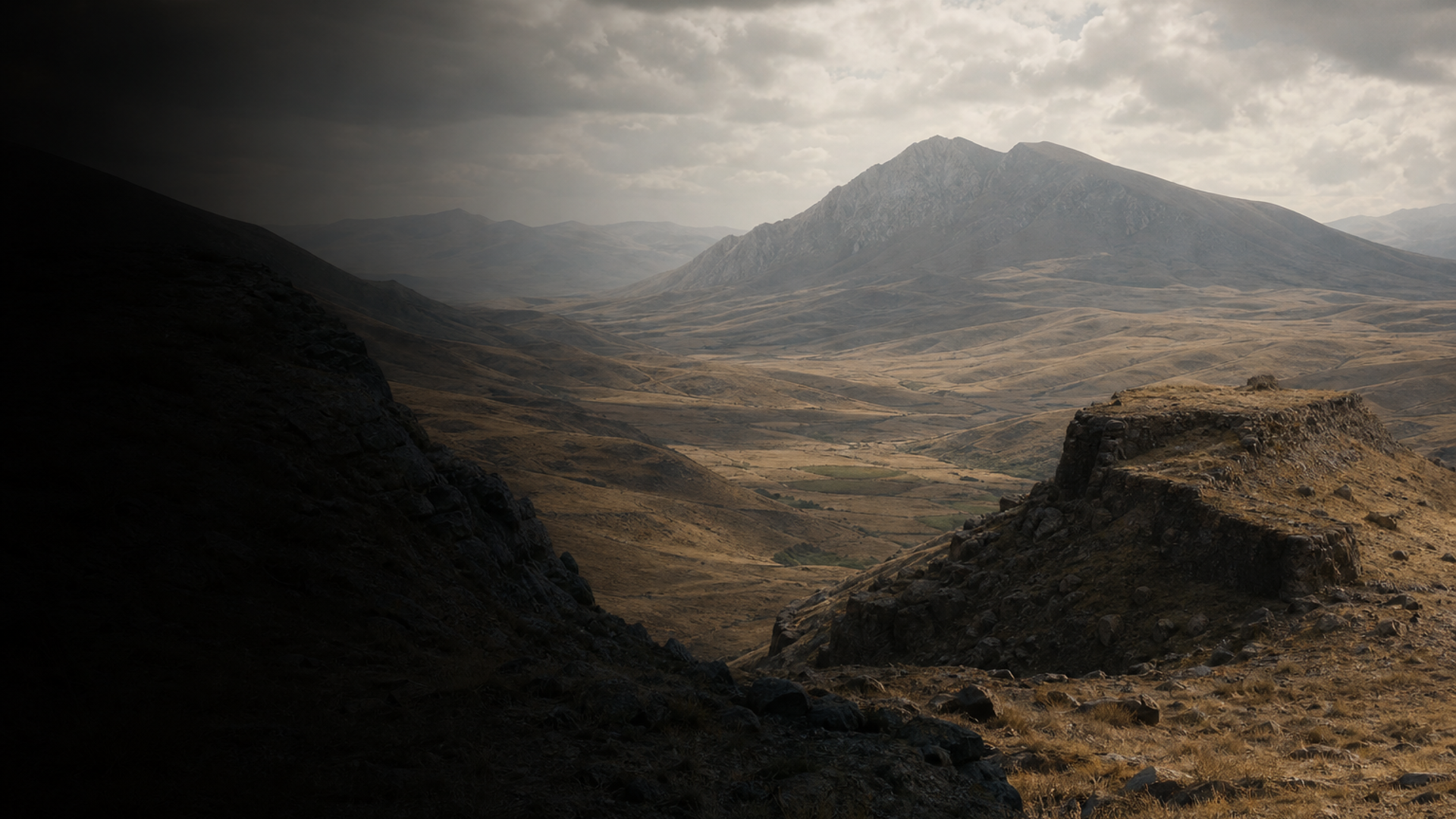
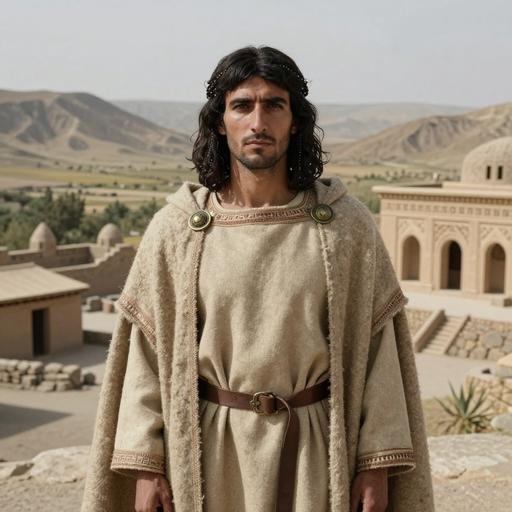
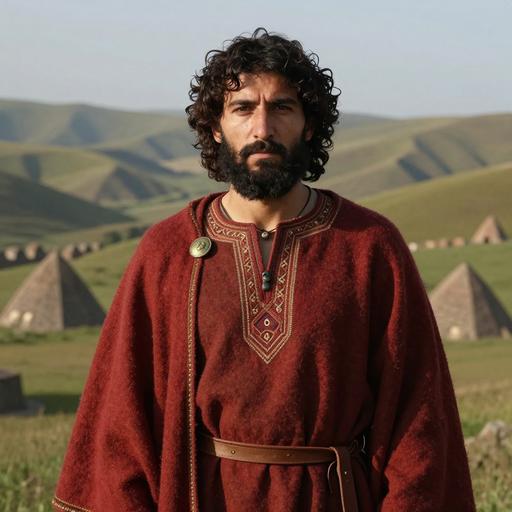
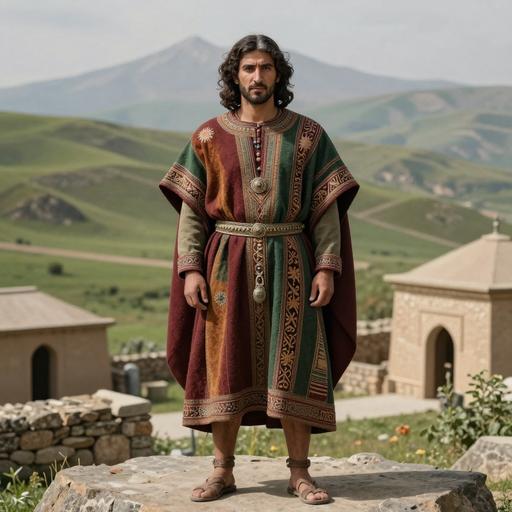
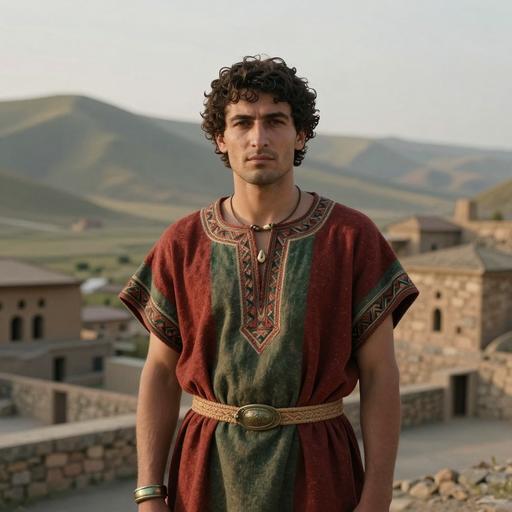
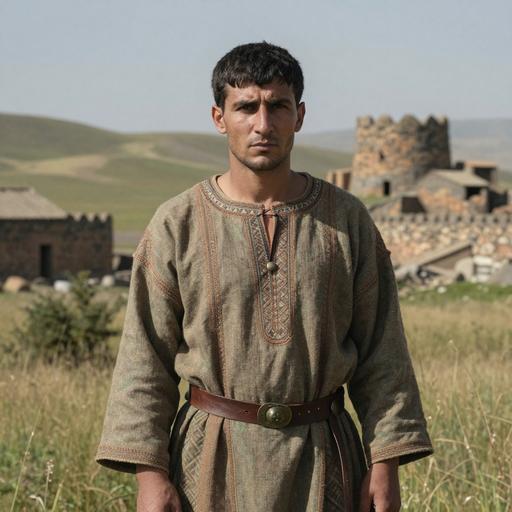
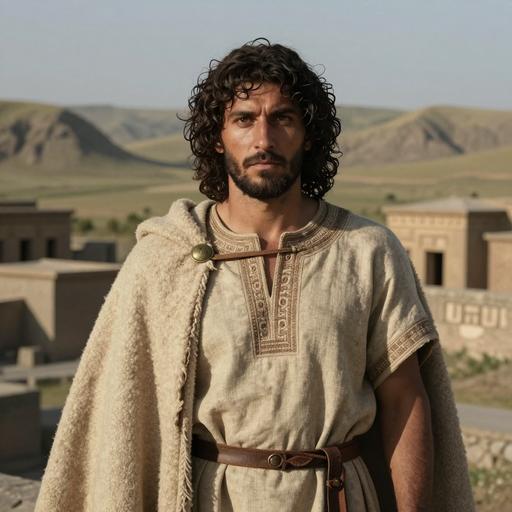
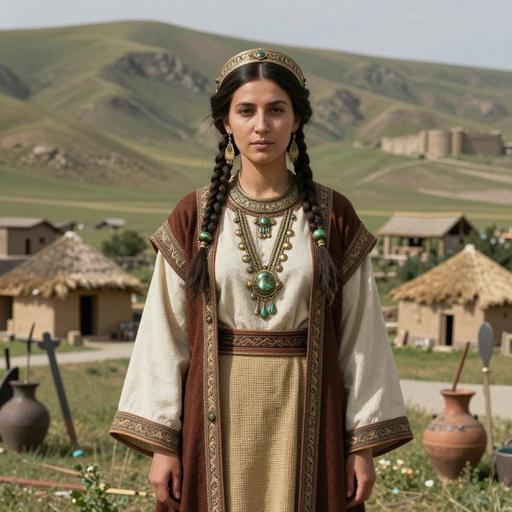
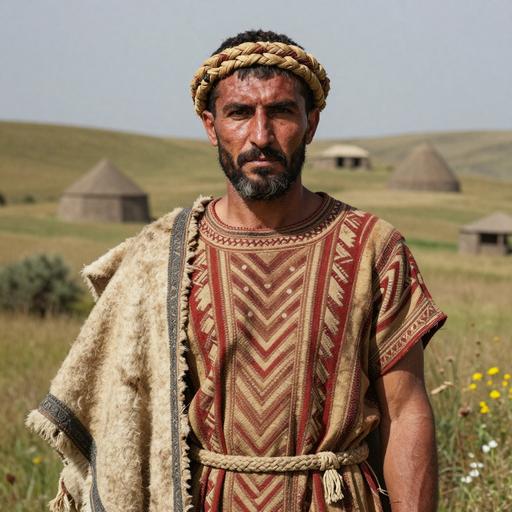
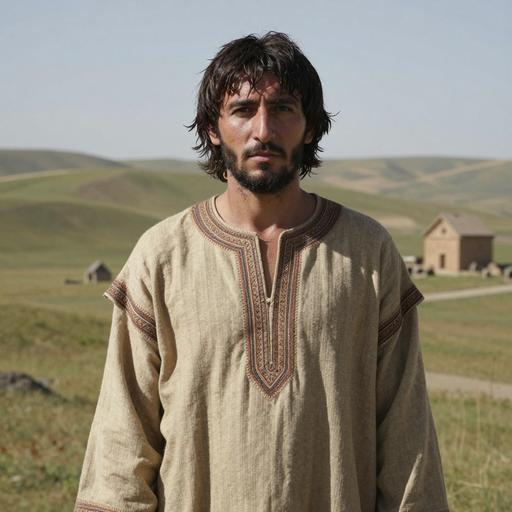
The material traces of everyday life in the Armenian Early Iron Age are fragmentary but vivid: burial grounds yield pottery vessels, bronze and iron tools, ornaments, and occasionally weaponry, suggesting communities engaged in mixed farming, pastoralism, and craft specialization. Cemeteries such as Bragdzor and Noratus provide cinematic snapshots — rows of graves punctuated by stone settings, the glint of metal from a funerary assemblage, and ceramic sherds whose shapes echo long-lived traditions.
Archaeological evidence indicates a landscape of small agrarian hamlets connected by seasonal pasture routes and localized exchange networks. Metalworking advances, including iron use, transformed tools and household items, while luxury objects and imported wares point to participation in wider trade networks. Social differentiation appears in grave goods, where more richly furnished burials suggest emerging hierarchies or differing roles within communities.
Skeletal remains, when preserved, hint at physically demanding lifeways shaped by fieldwork, herding, and craft. Where present, animal remains and plant macrofossils contribute to reconstructions of diet and economy, but preservation is uneven and interpretations remain cautiously framed by the available data.