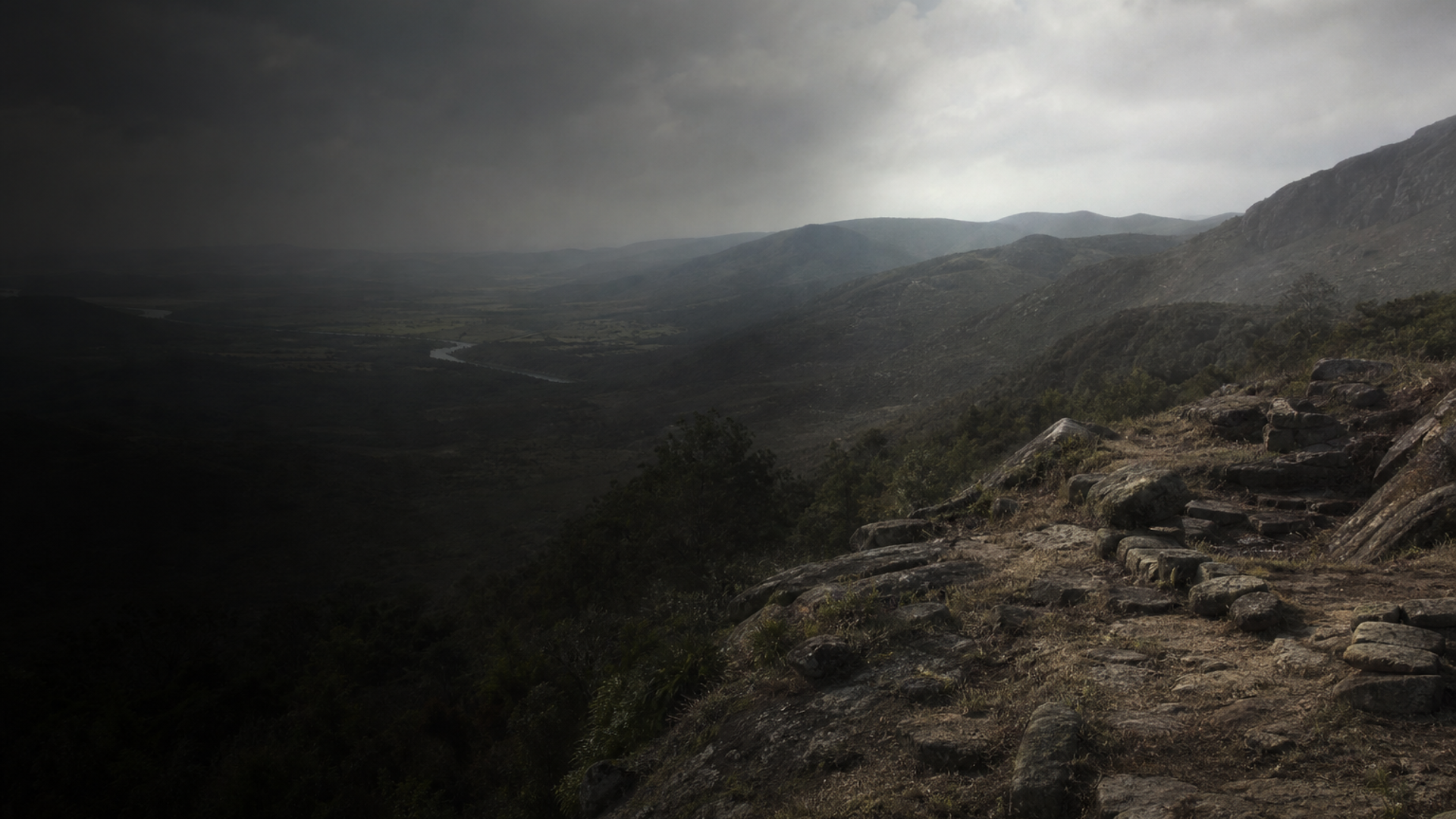
Archaeological traces from the Rio Doce Valley paint a portrait of adaptive, mobile lifeways lived at the interface of rivers, gallery forest, and open landscapes. Subsistence strategies likely combined hunting of medium-sized mammals, fishing in tributaries of the Rio Doce, and gathering of seasonally available tubers and fruits. Tools fashioned from local stone and bone would have supported processing, hunting, and daily crafts. Burial practices preserved in the valley—individual interments with modest grave goods—offer glimpses of social identity and ritual across generations.
Ethnohistoric descriptions from the colonial era emphasize social markers such as body ornamentation and distinctive cultural practices; these records must be read critically because they were produced by outsiders. The archaeological record complements these accounts by revealing diet through faunal remains and by showing how communities organized space and material culture. Nevertheless, the small number of directly sampled individuals limits inferences about social structure, kinship systems, or population size. Future multidisciplinary work combining archaeology, stable isotopes, and expanded ancient DNA sampling will better illuminate daily life in Botocudo-associated communities.