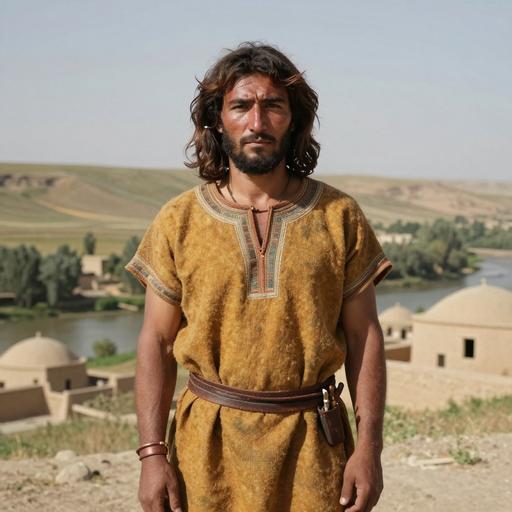
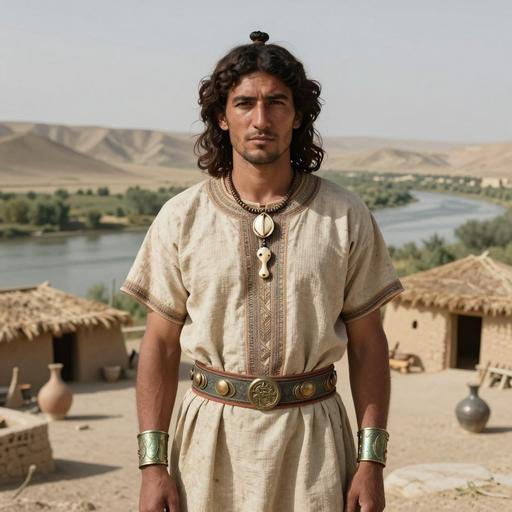
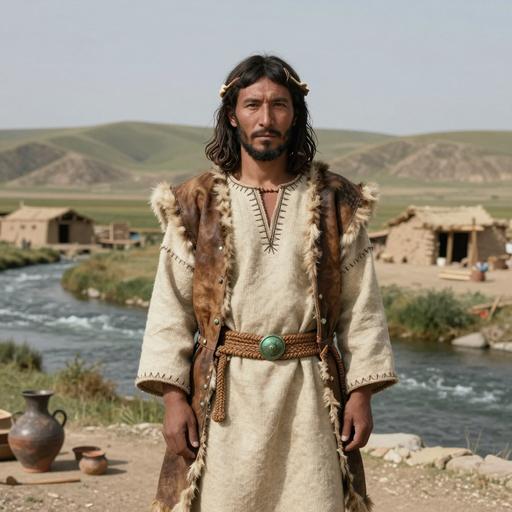
Ceramics, hearths, and burial rites paint a vivid daily picture: households clustered around courtyard compounds, storage pits for grain, and workshops where copper was hammered into tools and ornaments. At Bustan and Kokcha 3, archaeologists document craft zones adjacent to living areas—evidence of family-based production and specialist know-how passed across generations.
Burial contexts range from simple inhumations in flat graves to more elaborate interments with metal objects and beads, as seen in Dzharkutan and Kashkarchi. Funerary variability likely reflects status differentiation and diverse local practices; some graves suggest centralized ritual spaces while others point to household-level commemorations. Zooarchaeological remains indicate mixed economies: sheep and goats dominate herding signatures, while cattle and horse appear in certain assemblages, hinting at both pastoral mobility and traction/agricultural uses.
Material remains such as spindle whorls, loom weights, and weaving tools attest to textile production, an essential part of women’s and household labor. Limited botanical evidence suggests wheat, barley, and orchard crops in irrigated pockets of the Ferghana and lowland valleys. While trade networks brought obsidian, copper, and exotic goods, local landscapes remained central: water control, storage technology, and seasonal pastures structured daily life.