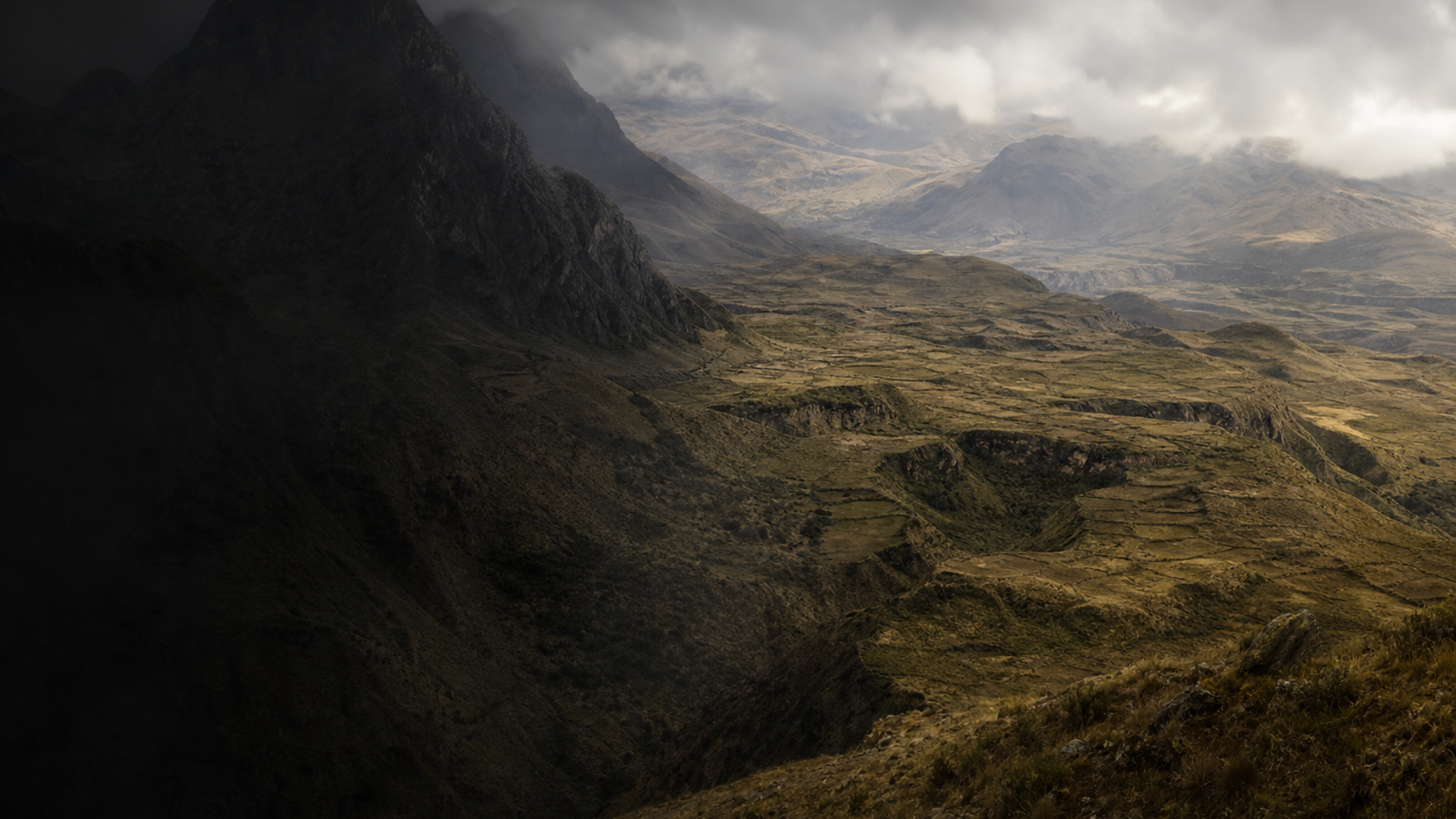
The daily rhythms of Chanka communities were shaped by altitude, seasonality, and the imperatives of defense. Archaeological remains point to mixed highland agriculture—potatoes, tubers, and quinoa cultivation—managed with terraces and storage structures to buffer against climatic variability. Herding of camelids (llamas and alpacas) likely provided wool, transport, and a herd-based economy woven into household subsistence.
Material culture recovered from Chanka-area sites includes pottery vessels used for cooking and storage, textile fragments indicating sophisticated weaving traditions, and worked bone and stone tools for daily craft. Evidence for craft specialization and exchange suggests that local leaders could marshal resources for public works and warfare, while burial contexts often reveal status differences through grave goods and treatment.
Although dramatic narratives emphasize conflict between Chanka polities and their neighbors, everyday life was also defined by seasonal ritual cycles, kinship networks, and responses to the challenges of high-elevation living. Much of this portrait, however, rests on limited excavation zones; new fieldwork and more comprehensive sampling would refine our understanding of household composition, diet, and mobility.