
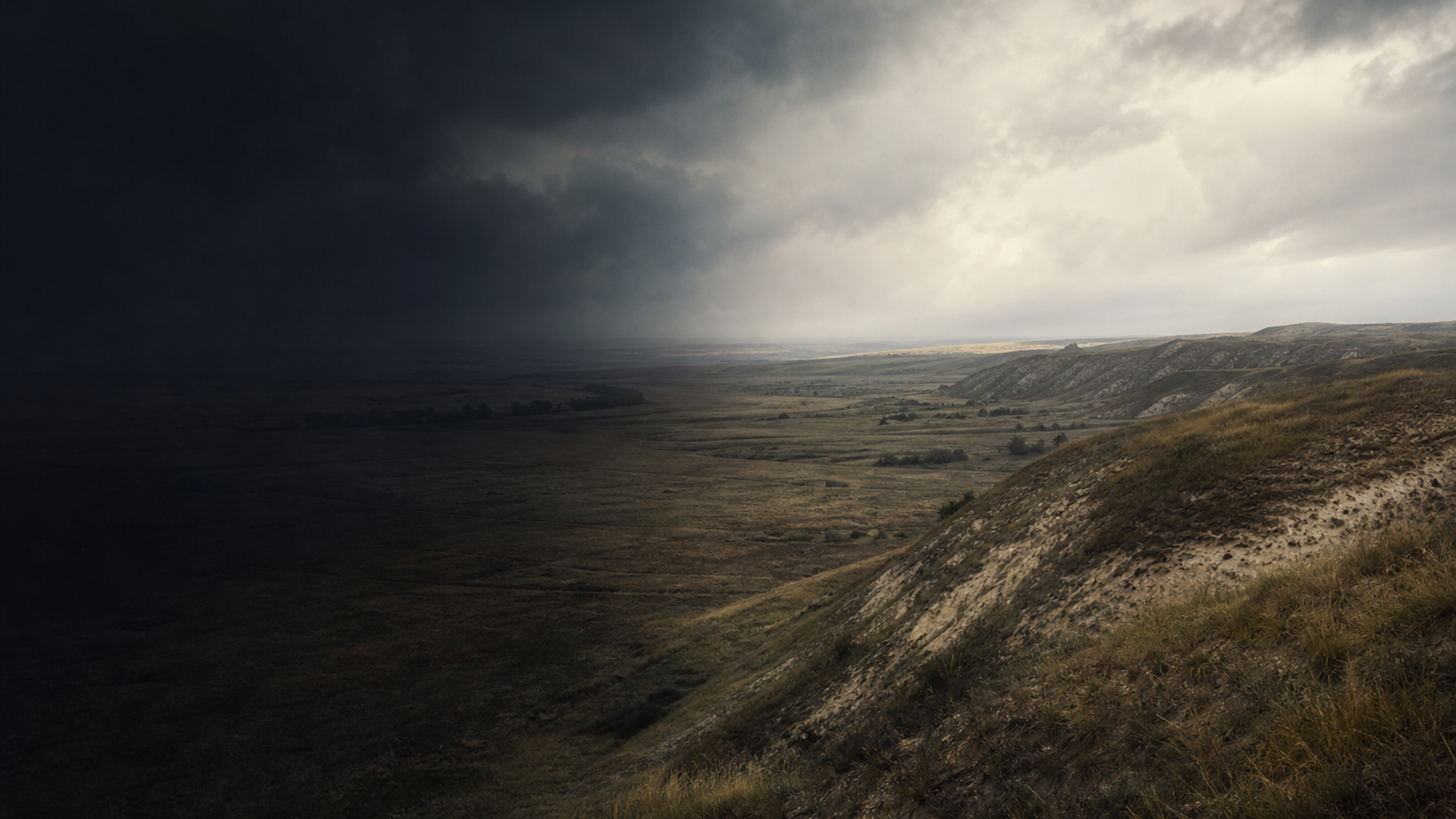
Archaeological remains portray a life lived at an ecological and cultural crossroads. Settlements associated with Chernyakhiv assemblages show mixed economies: cereal cultivation, animal husbandry, and craft production. Pottery forms and workshop debris indicate both local manufacture and imported wares, signaling trade and mobility.
Cemeteries like the central burial ground at Shyshaky reveal social differentiation through grave placement and accompanying objects. The three graves sampled reflect varied mortuary choices: inhumation with modest goods, spatial organization within burial grounds, and orientations that may reflect familial or community traditions. The fragmentary record means we should avoid overreadings: material wealth and grave treatment may reflect age, sex, mobility, or shifting cultural norms rather than a single ethnic identity.
Visceral archaeological traces—charred grain, loom weights, metalworking waste—invite a cinematic reconstruction of daily life: fields and workshops, riverine routes and seasonal herds, people negotiating identities amid changing political horizons during Late Antiquity.





