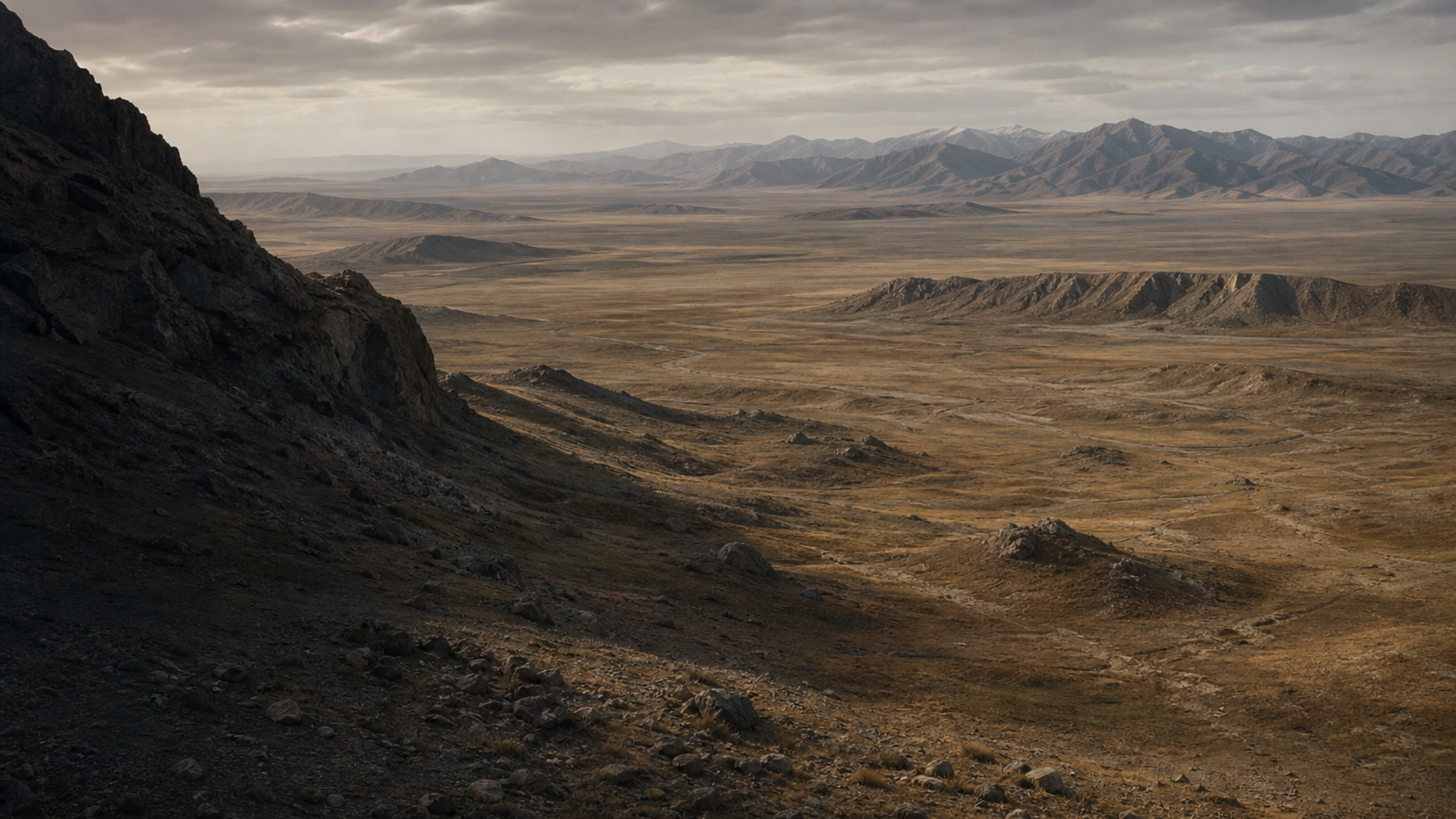
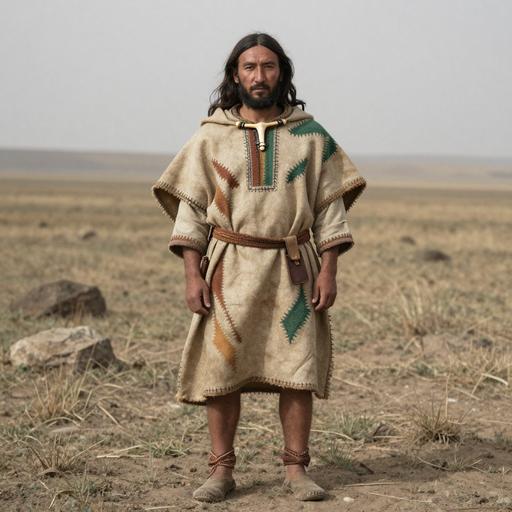
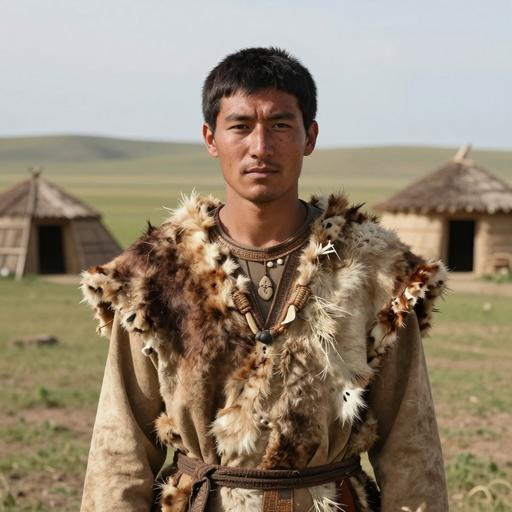
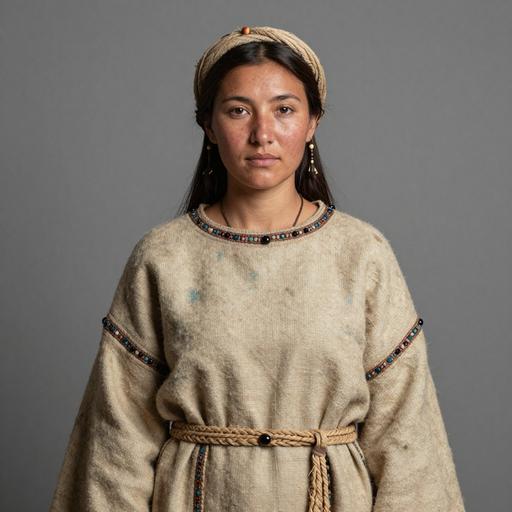
Life on the steppe was shaped by seasonal movement, herd management, and networks of exchange that linked river valleys, mountain passes, and oasis towns. Burials at sites such as Bogdanovka and the Bitiya mounds reveal funerary variability: some individuals were interred with rich metal items and possible status markers, while others show simpler rite patterns. This pattern suggests emerging social differentiation, but archaeological evidence for strict hierarchy is mixed and regionally specific.
Animal herding — particularly sheep, goat, cattle, and later horse husbandry — formed the economic backbone. Horse use, attested by bridles and bit wear in some contexts, amplified mobility and enabled longer-range contact between the steppe interior and peripheral zones in Xinjiang and Central Asia. Seasonal mobility shaped craft production: portable ceramic traditions, leatherworking, and modest metalworking adapted to nomadic contexts.
Settlement patterns range from ephemeral camps to more permanent burial landscapes and ritual loci in mountain valleys such as Berkh Mountain and Arbulag. Botanical preservation is limited on the open steppe, so crop use is unevenly documented; however, contacts with agricultural societies to the south and west likely supplied grain and new technologies.
Archaeological data indicate resilience and adaptability across millennia, but many aspects of household structure, gender roles, and inheritance remain poorly understood without more in-depth contextual excavation and grave inventories.