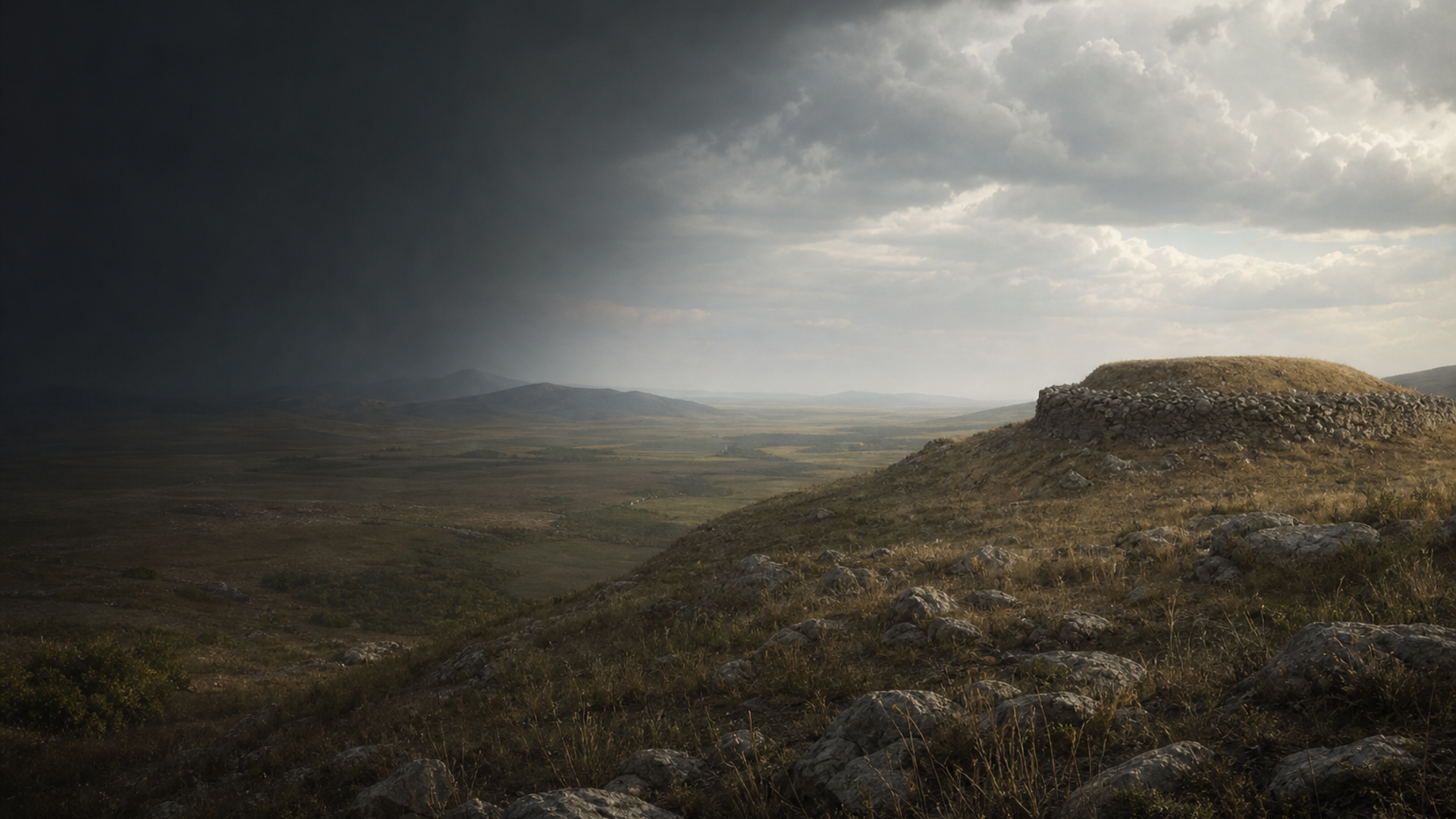
Archaeological excavations across Early Iron Age Hungary suggest communities organized around mixed farming, craft production and seasonal mobility. Pollen and archaeobotanical remains at regional sites indicate cereal cultivation and animal husbandry as economic backbones; archaeologists also find traces of ironworking, bronze reworking and bone craft in settlement layers. Grave inventories vary: some burials contain weapons or decorated fibulae, while others are modest, pointing to social differentiation but not rigid stratification across every community.
Settlement archaeology paints a picture of clustered farmsteads, small fortified hilltops, and riverine hamlets. Timber and earthwork defenses appear at strategic points, hinting at intermittent competition for resources or prestige. Communal rituals — signaled by structured cemetery layouts, grave goods placed in symbolic arrangements, and occasional votive deposits — suggest a society where identity was expressed through objects and performance as much as descent.
Life would have been seasonal and tactile: the hiss of a forge, the rhythm of ploughing, the careful application of pigment to metal and ceramic. Yet these impressions come from material traces; direct testimony of beliefs, language and social roles is absent. The three genetic samples add fragile human faces to this material world, but cannot alone map the full social landscape.