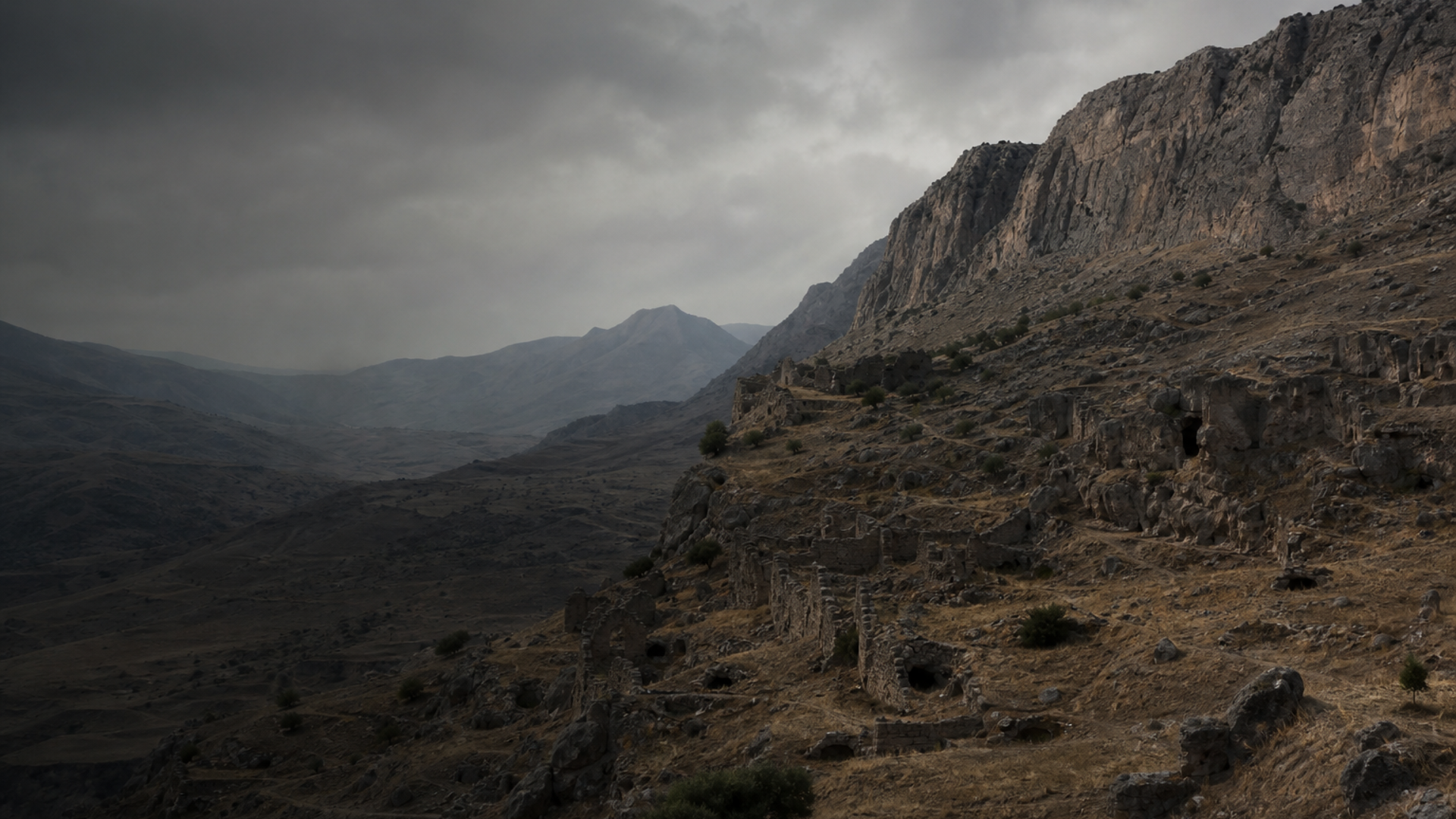
Material culture and burial practices recovered at these sites paint a cinematic but variegated portrait of life under Islamic polities. In al-Andalus — from Betxí and Vinaròs to Granada’s Calle Panaderos and Cueva Romero — excavations reveal domestic architecture, ceramics, irrigation works and coins that attest to thriving markets and agricultural intensification under Umayyad, Taifa and later Almohad and Nasrid authorities. At Udegram in the Swat Valley, funerary contexts reflect Ghaznavid-period connections to Central and South Asian political spheres.
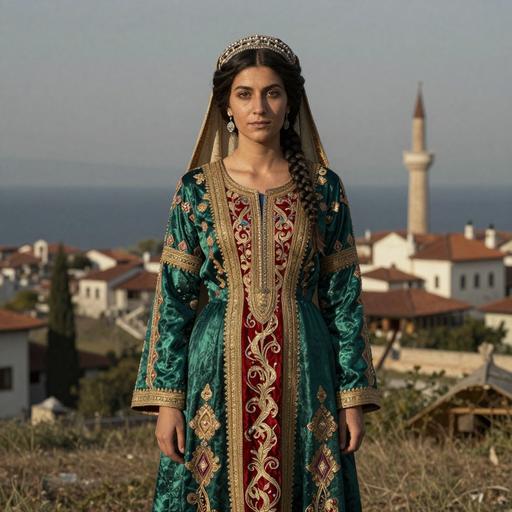
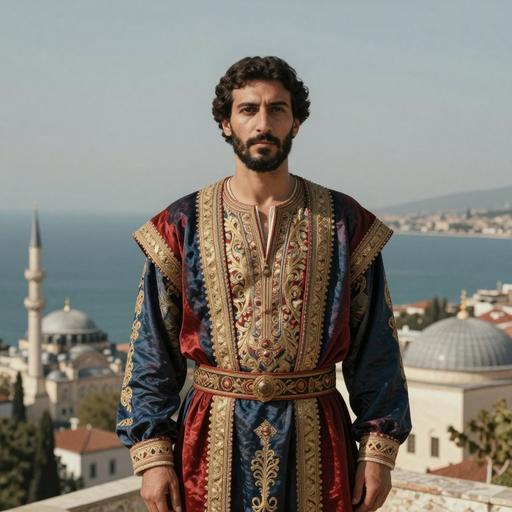
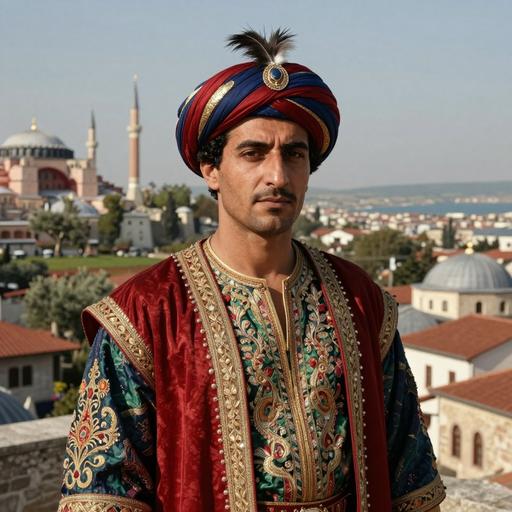
In Anatolia and the Levant, coastal and inland assemblages (Zeytinliada, İznik, Midyat, and sites in Lebanon and Syria) show layered occupations: Byzantine buildings reused, new mosque precincts and markets established, and material ties across the eastern Mediterranean. Bioarchaeological indicators (where available) suggest diverse diets and health profiles, with local variation in workload markers and childhood stress.
Archaeology indicates vibrant urbanism, long-distance trade in metals, textiles and spices, and social stratification expressed in burial treatments. While many everyday details remain invisible in the skeletal and material record, combining artifacts with DNA provides a fuller portrait of communities shaped by commerce, conversion, and conquest.