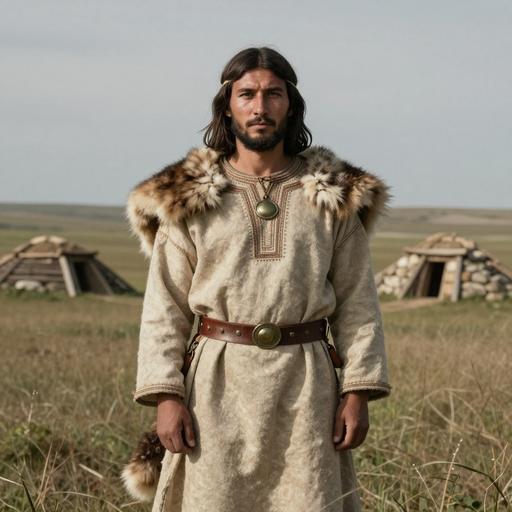
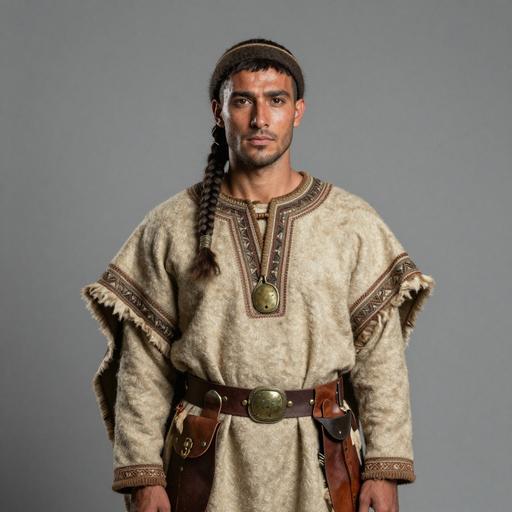
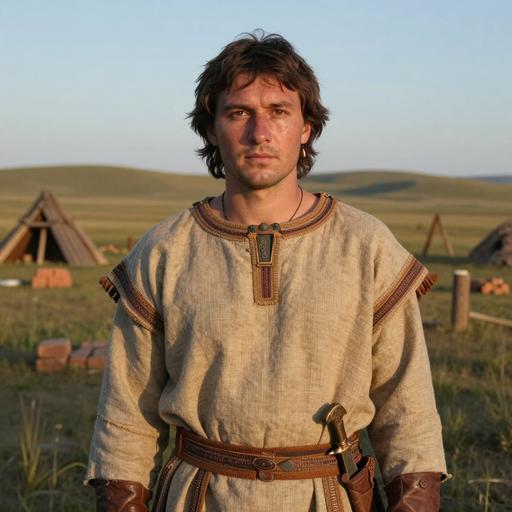
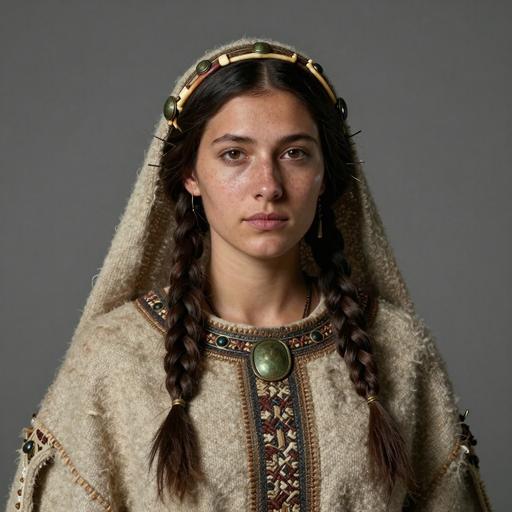
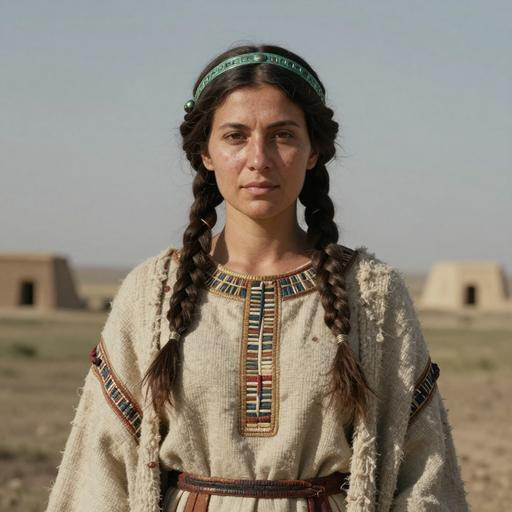
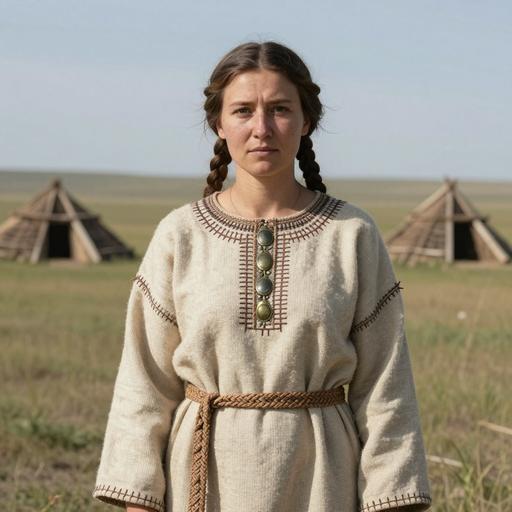
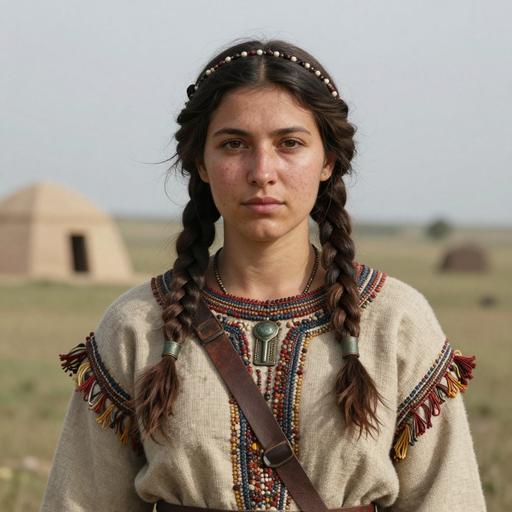
|
|
Chelyabinsk MLBA Sintashta individual, Russia
|
Russia |
Russia_MLBA_Sintashta |
2050-1700 BCE |
Indo-European |
F
|
-
|
K2a5b
|
|
|
Chelyabinsk MLBA Sintashta individual, Russia
|
Russia |
Russia_MLBA_Sintashta |
2008-1773 calBCE (3550±25 BP, PSUAMS-1954) |
Indo-European |
M
|
R-Y874
|
T1a1
|
|
|
Indo-European individual, Russia
|
Russia |
Russia_MLBA_Sintashta |
1928 BCE |
Indo-European |
M
|
R-Y874
|
H2b*
|
|
|
Chelyabinsk MLBA Sintashta individual, Russia
|
Russia |
Russia_MLBA_Sintashta |
1891-1743 calBCE (3495±25 BP, PSUAMS-1952) |
Indo-European |
M
|
R-Y874
|
H2b
|
|
|
Indo-European individual, Russia
|
Russia |
Russia_MLBA_Sintashta |
2008 BCE |
Indo-European |
F
|
-
|
U2e1h1a7
|
|
|
Chelyabinsk MLBA Sintashta-2 individual, Russia
|
Russia |
Russia_MLBA_Sintashta |
1951-1770 calBCE (3540±25 BP, PSUAMS-1953) |
Indo-European |
M
|
R-Z2123
|
U5a1i1
|
|
|
Chelyabinsk MLBA Sintashta individual, Russia
|
Russia |
Russia_MLBA_Sintashta |
2050-1700 BCE |
Indo-European |
F
|
-
|
U5b2a1a2
|
|
|
Chelyabinsk MLBA Sintashta individual, Russia
|
Russia |
Russia_MLBA_Sintashta |
1879-1693 calBCE (3460±20 BP, PSUAMS-2102) |
Indo-European |
M
|
R-Y874
|
H6a1a
|
|
|
Chelyabinsk MLBA Sintashta individual, Russia
|
Russia |
Russia_MLBA_Sintashta |
2050-1700 BCE |
Indo-European |
M
|
R-Z2125
|
U5a2-a
|
|
|
Chelyabinsk MLBA Sintashta individual, Russia
|
Russia |
Russia_MLBA_Sintashta |
2050-1700 BCE |
Indo-European |
F
|
-
|
J1b1a1
|
|
|
Chelyabinsk MLBA Sintashta-3 individual, Russia
|
Russia |
Russia_MLBA_Sintashta |
1900-1600 BCE |
Indo-European |
M
|
R-L1433
|
U2e1'2'3
|
|
|
Chelyabinsk MLBA Sintashta individual, Russia
|
Russia |
Russia_MLBA_Sintashta |
2024-1779 calBCE (3572±29 BP, OxA-12530) |
Indo-European |
M
|
R-Z2124
|
T2e2
|
|
|
Chelyabinsk MLBA Sintashta-2 individual, Russia
|
Russia |
Russia_MLBA_Sintashta |
2016-1773 calBCE (3555±31 BP, OxA-12533) |
Indo-European |
M
|
R-KMS75
|
J2b1d
|
|
|
Chelyabinsk MLBA Sintashta individual, Russia
|
Russia |
Russia_MLBA_Sintashta |
2012-1772 calBCE (3549±29 BP, OxA-12531) |
Indo-European |
F
|
-
|
J1c5a
|
|
|
Chelyabinsk MLBA Sintashta-2 individual, Russia
|
Russia |
Russia_MLBA_Sintashta |
1919-1701 calBCE (3500±30 BP, Beta-436363) |
Indo-European |
M
|
R-Z2123
|
U5a1i1
|
|
|
Chelyabinsk MLBA Sintashta individual, Russia
|
Russia |
Russia_MLBA_Sintashta |
2050-1700 BCE |
Indo-European |
F
|
-
|
T2e2
|
|
|
Chelyabinsk MLBA Sintashta individual, Russia
|
Russia |
Russia_MLBA_Sintashta |
2050-1700 BCE |
Indo-European |
F
|
-
|
U4a
|
|
|
Indo-European individual, Russia
|
Russia |
Russia_MLBA_Sintashta |
2131 BCE |
Indo-European |
M
|
R-Z2124
|
J2b1a2a
|
|
|
Chelyabinsk MLBA Sintashta individual, Russia
|
Russia |
Russia_MLBA_Sintashta |
2050-1700 BCE |
Indo-European |
F
|
-
|
H2b
|
|
|
Chelyabinsk MLBA Sintashta individual, Russia
|
Russia |
Russia_MLBA_Sintashta |
2050-1700 BCE |
Indo-European |
F
|
-
|
T1a1
|
|
|
Chelyabinsk MLBA Sintashta individual, Russia
|
Russia |
Russia_MLBA_Sintashta |
2050-1700 BCE |
Indo-European |
M
|
R-PF6162
|
T1a1
|
|
|
Chelyabinsk MLBA Sintashta-1 individual, Russia
|
Russia |
Russia_MLBA_Sintashta |
2050-1700 BCE |
Indo-European |
F
|
-
|
J1b1a3
|
|
|
Chelyabinsk MLBA Sintashta-2 individual, Russia
|
Russia |
Russia_MLBA_Sintashta |
1886-1694 calBCE (3475±30 BP, PSUAMS-2101) |
Indo-European |
M
|
R-Z2123
|
U5a1i1
|
|
|
Chelyabinsk MLBA Sintashta individual, Russia
|
Russia |
Russia_MLBA_Sintashta |
2050-1700 BCE |
Indo-European |
M
|
R-Z2123
|
W1c
|
|
|
Indo-European individual, Russia
|
Russia |
Russia_MLBA_Sintashta |
2050 BCE |
Indo-European |
M
|
R-Y874
|
-
|
|
|
Indo-European individual, Russia
|
Russia |
Russia_MLBA_Sintashta |
2335 BCE |
Indo-European |
M
|
R-Z2124
|
J1c1b1a
|
|
|
Indo-European individual, Russia
|
Russia |
Russia_MLBA_Sintashta |
1953 BCE |
Indo-European |
F
|
-
|
U2e1e
|
|
|
Chelyabinsk MLBA Sintashta-1 individual, Russia
|
Russia |
Russia_MLBA_Sintashta |
1931-1749 calBCE (3520±30 BP, Beta-436294) |
Indo-European |
M
|
Q-FT239746
|
H6b1
|
|
|
Chelyabinsk MLBA Sintashta individual, Russia
|
Russia |
Russia_MLBA_Sintashta |
2050-1700 BCE |
Indo-European |
M
|
R-Z2124
|
T2e2
|
|
|
Chelyabinsk MLBA Sintashta individual, Russia
|
Russia |
Russia_MLBA_Sintashta |
2050-1700 BCE |
Indo-European |
M
|
R-FT287785
|
U2e1h
|
|
|
Chelyabinsk MLBA Sintashta individual, Russia
|
Russia |
Russia_MLBA_Sintashta |
2050-1700 BCE |
Indo-European |
M
|
R-Z2124
|
T1a1
|
|
|
Chelyabinsk MLBA Sintashta individual, Russia
|
Russia |
Russia_MLBA_Sintashta |
2050-1700 BCE |
Indo-European |
M
|
R-Z94
|
U5b2a1a2
|
|
|
Indo-European individual, Russia
|
Russia |
Russia_MLBA_Sintashta |
2050 BCE |
Indo-European |
M
|
R-PF6162
|
U2e1h
|
|
|
Chelyabinsk MLBA Sintashta individual, Russia
|
Russia |
Russia_MLBA_Sintashta |
2050-1700 BCE |
Indo-European |
M
|
R-Z2124
|
U2e2a
|
|
|
Chelyabinsk MLBA Sintashta individual, Russia
|
Russia |
Russia_MLBA_Sintashta |
2050-1700 BCE |
Indo-European |
F
|
-
|
J1c2m
|
|
|
Chelyabinsk MLBA Sintashta individual, Russia
|
Russia |
Russia_MLBA_Sintashta |
2050-1700 BCE |
Indo-European |
F
|
-
|
H5a1
|
|
|
Chelyabinsk MLBA Sintashta individual, Russia
|
Russia |
Russia_MLBA_Sintashta |
2050-1700 BCE |
Indo-European |
F
|
-
|
U5a1a2a
|
|
|
Chelyabinsk MLBA Sintashta individual, Russia
|
Russia |
Russia_MLBA_Sintashta |
2050-1700 BCE |
Indo-European |
M
|
R-Z93
|
H1
|
|
|
Indo-European individual, Russia
|
Russia |
Russia_MLBA_Sintashta |
2050 BCE |
Indo-European |
M
|
R-Z2124
|
H6a1a
|
|
|
Chelyabinsk MLBA Sintashta individual, Russia
|
Russia |
Russia_MLBA_Sintashta |
2050-1700 BCE |
Indo-European |
F
|
-
|
K1a-a4
|
|
|
Chelyabinsk MLBA Sintashta individual, Russia
|
Russia |
Russia_MLBA_Sintashta |
2050-1700 BCE |
Indo-European |
F
|
-
|
T2b34
|
|
|
Chelyabinsk MLBA Sintashta individual, Russia
|
Russia |
Russia_MLBA_Sintashta |
2050-1700 BCE |
Indo-European |
M
|
R-M198
|
H2b
|
|
|
Chelyabinsk MLBA Sintashta individual, Russia
|
Russia |
Russia_MLBA_Sintashta |
2050-1700 BCE |
Indo-European |
F
|
-
|
U2e1h
|
|
|
Chelyabinsk MLBA Sintashta individual, Russia
|
Russia |
Russia_MLBA_Sintashta |
2050-1700 BCE |
Indo-European |
M
|
R-PF6162
|
H1
|
|
|
Chelyabinsk MLBA Sintashta-1 individual, Russia
|
Russia |
Russia_MLBA_Sintashta |
2050-1700 BCE |
Indo-European |
M
|
Q-M346
|
U2e1'2'3
|
|
|
Chelyabinsk MLBA Sintashta individual, Russia
|
Russia |
Russia_MLBA_Sintashta |
2050-1700 BCE |
Indo-European |
F
|
-
|
H2a1a
|
|
|
Chelyabinsk MLBA Sintashta individual, Russia
|
Russia |
Russia_MLBA_Sintashta |
2050-1700 BCE |
Indo-European |
F
|
-
|
U5a1b1f
|
|
|
Chelyabinsk MLBA Sintashta individual, Russia
|
Russia |
Russia_MLBA_Sintashta |
2050-1700 BCE |
Indo-European |
M
|
R-M459
|
U5a1c
|
|
|
Chelyabinsk MLBA Sintashta individual, Russia
|
Russia |
Russia_MLBA_Sintashta |
2050-1700 BCE |
Indo-European |
F
|
-
|
J2b1d
|
|
|
Chelyabinsk MLBA Sintashta individual, Russia
|
Russia |
Russia_MLBA_Sintashta |
2050-1700 BCE |
Indo-European |
M
|
R-PF6162
|
T1a1
|
|
|
Chelyabinsk MLBA Sintashta individual, Russia
|
Russia |
Russia_MLBA_Sintashta |
2050-1700 BCE |
Indo-European |
F
|
-
|
U2e2a
|
|
|
Chelyabinsk MLBA Sintashta individual, Russia
|
Russia |
Russia_MLBA_Sintashta |
2050-1700 BCE |
Indo-European |
M
|
R-M459
|
U4b1a1a1
|
|
|
Chelyabinsk MLBA Sintashta individual, Russia
|
Russia |
Russia_MLBA_Sintashta |
2050-1700 BCE |
Indo-European |
F
|
-
|
K1a-a4
|
|
|
Chelyabinsk MLBA Sintashta-1 individual, Russia
|
Russia |
Russia_MLBA_Sintashta |
2050-1700 BCE |
Indo-European |
M
|
R-M269
|
H13a1a
|