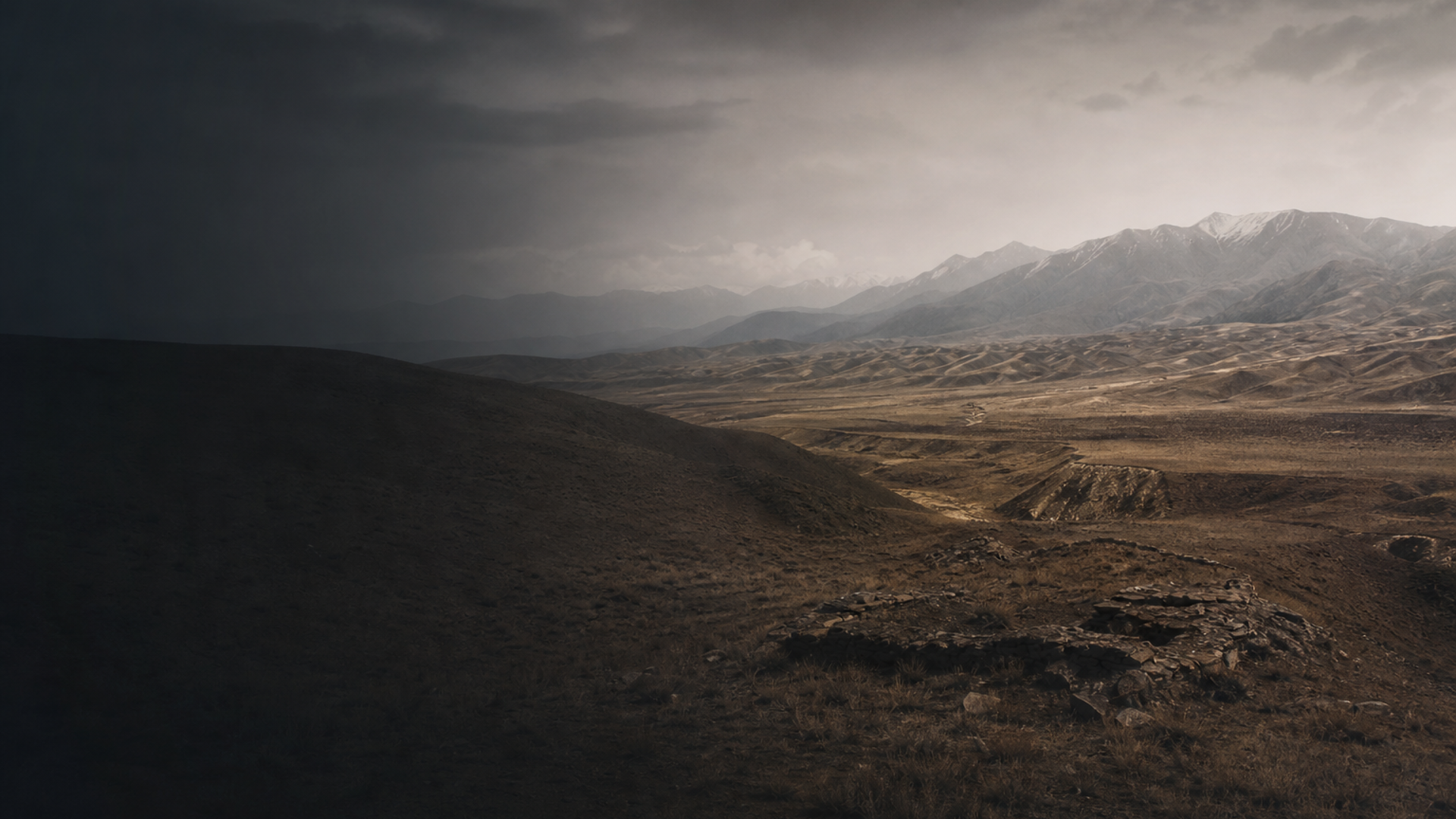
The lives behind the bones at G218 can only be sketched in broad strokes, but archaeological context and regional analogies allow evocative reconstructions. Steppe economies emphasized mobility: pastoral herds, horses, and seasonal camps. In the Yili basin, fertile valleys and trade routes would have paired animal husbandry with exchange of metalwork, textiles, and grains. Archaeological data from nearby Xinjiang sites indicate funerary practices that sometimes combine inhumation with grave goods—objects that signal status, craft connections, and links to long‑distance networks.
Social organization likely ranged from household herders to mounted elites. If Wusun or Yuezhi identities were present in the region, they may have formed clans or confederations engaged in pastoralism, trade, and intermittent conflict. Gendered burial patterns elsewhere in the steppe show high status weapons and horse gear with some individuals, while others bear ornaments and textiles; such variability suggests complex hierarchies and rich material culture. Yet for G218 itself, small sample count (n=6) limits confident reconstructions of social roles. The archaeological picture remains fragmentary: compelling, cinematic, but cautious.