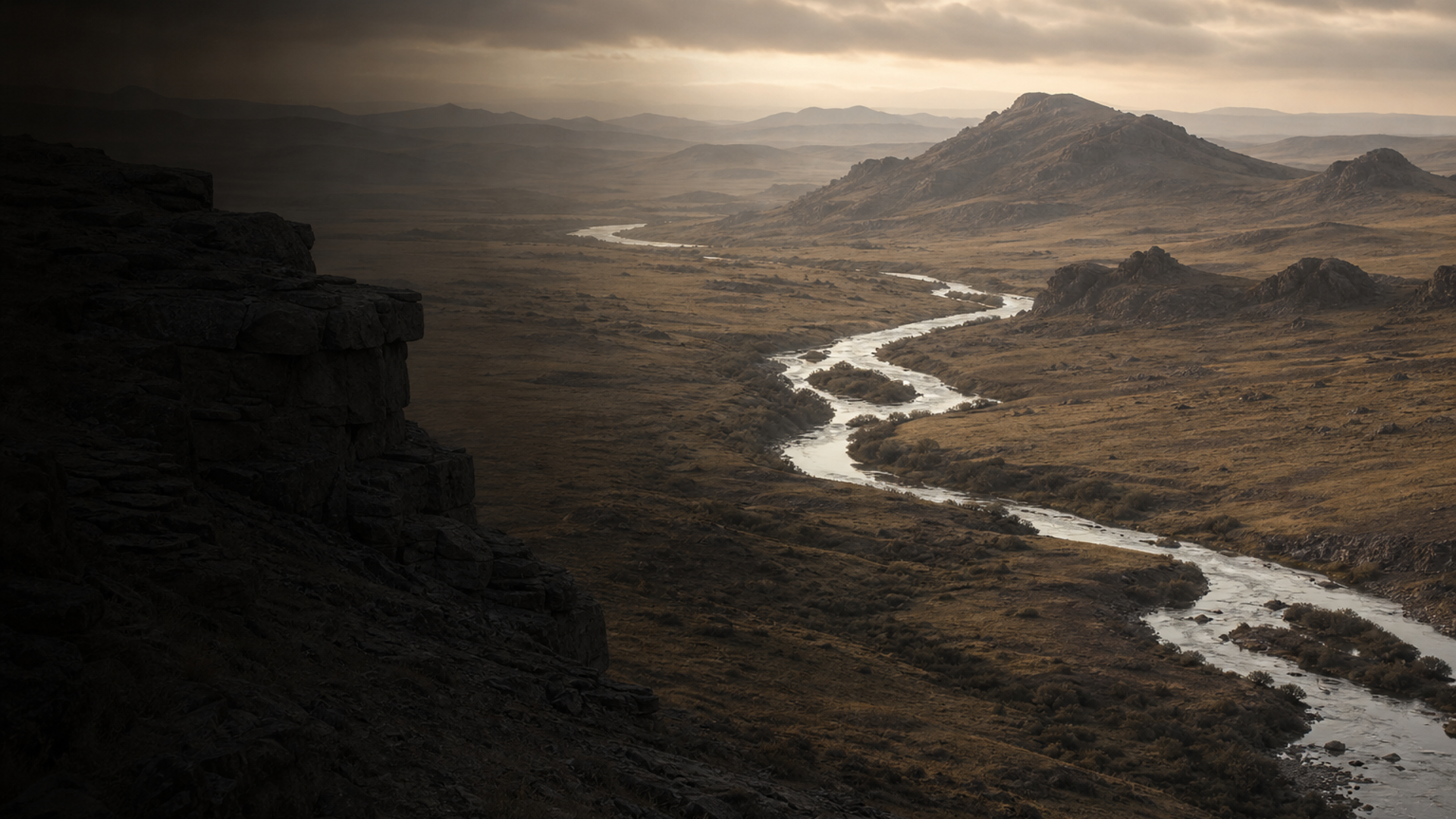
Archaeological evidence from the West Liao River Bronze Age paints a picture of resilient, adaptable communities making seasonal use of rivers, fields, and pastures. Excavations at Longtoushan and surrounding sites reveal domestic structures, hearths, pottery fragments, and small-scale metalwork that suggest mixed subsistence strategies: dryland millet cultivation complemented by animal herding and hunting. Archaeological data indicates that communities organized around family compounds and small hamlets rather than large urban centers.
Burial contexts provide a cinematic yet restrained window into social life: graves with personal ornaments, utilitarian objects, and occasional bronze items imply differential access to prestige goods, but not extreme social stratification visible at some contemporaneous states. Craft specialization appears on a local scale — pottery types and metalworking debris cluster at specific loci within sites, indicating household-level production and exchange networks that connected valleys and steppe corridors.
Environmental records and faunal remains suggest a landscape in flux, where climatic variability could influence mobility, crop yields, and herd management. Such pressures would have shaped seasonal rhythms, social alliances, and long-distance contacts, producing a lived world of pragmatic innovation punctuated by ritual and commemoration.