Daily life in Unetice communities balanced farming, craft production and long-distance exchange. Archaeological assemblages in the region show cereal agriculture, animal husbandry, and specialised workshops where bronze objects, pins and ornaments were produced or repaired. Metal goods and standardized forms point to skilled artisanship and perhaps itinerant specialists.
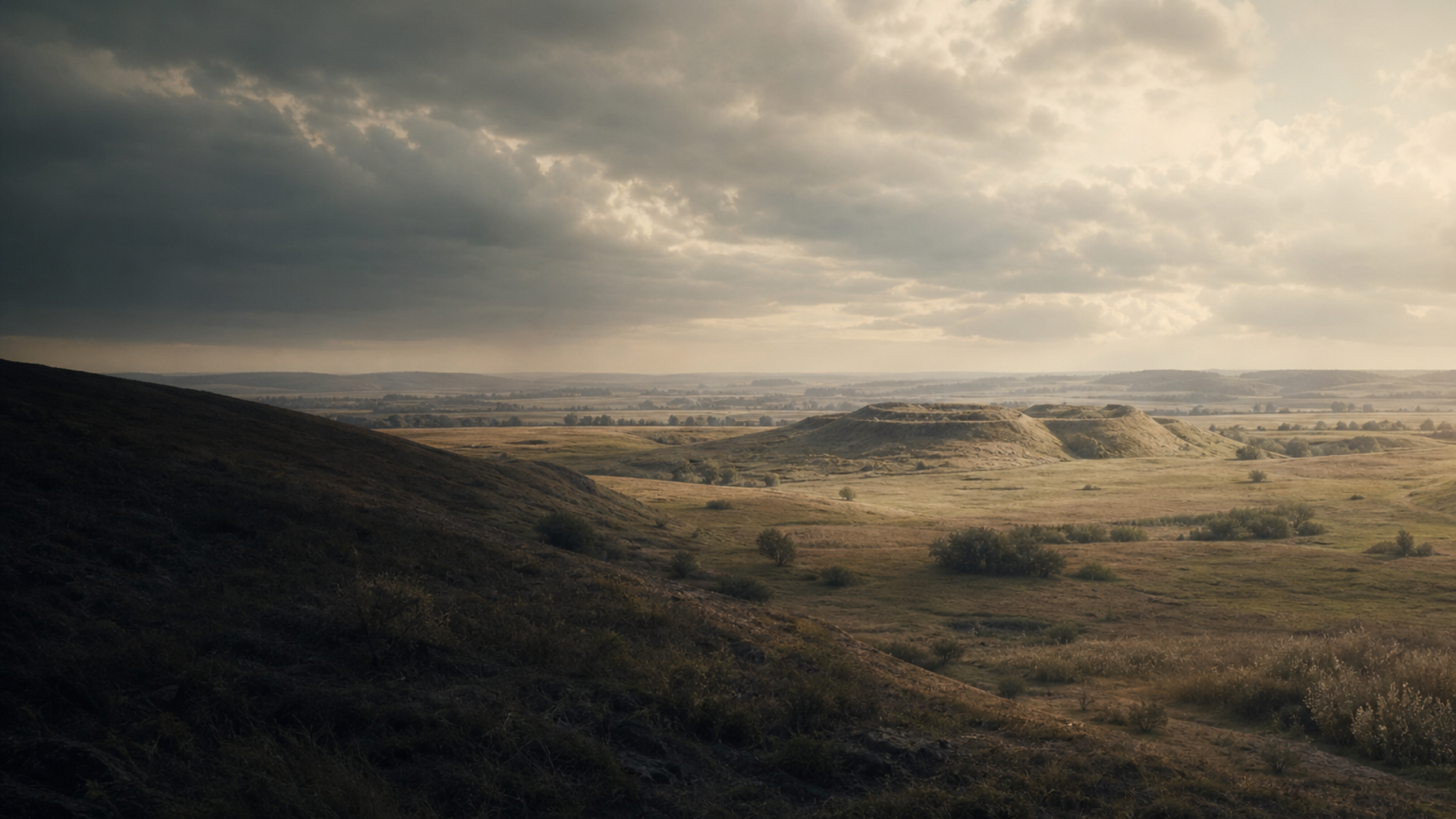
Settlements associated with Unetice are often small and dispersed; people lived in close relation to fields, rivers and woodland resources. Hoarding practices and cemetery architecture indicate ritualized behaviors—some burials receive rich grave goods, which likely signaled status, kin ties or craft specializations. The landscapes around Przeclawice and Szczepankowice would have been woven into seasonal routines of sowing, harvesting and resource procurement, while routes along rivers enabled exchange of raw ores and finished bronzes.
Archaeological data indicates variability across sites, suggesting diverse household economies rather than a single uniform lifestyle. Material culture—ceramics, tools and metalwork—serves as the primary record for daily practices; when paired with genetic data, these artifacts help identify whether communities were maintained through local continuity or renewed by migration.
Interpretations remain cautious: with five genetic samples, we can link individuals to sites and artifacts, but cannot yet reconstruct the full social mosaic of Unetice Poland.