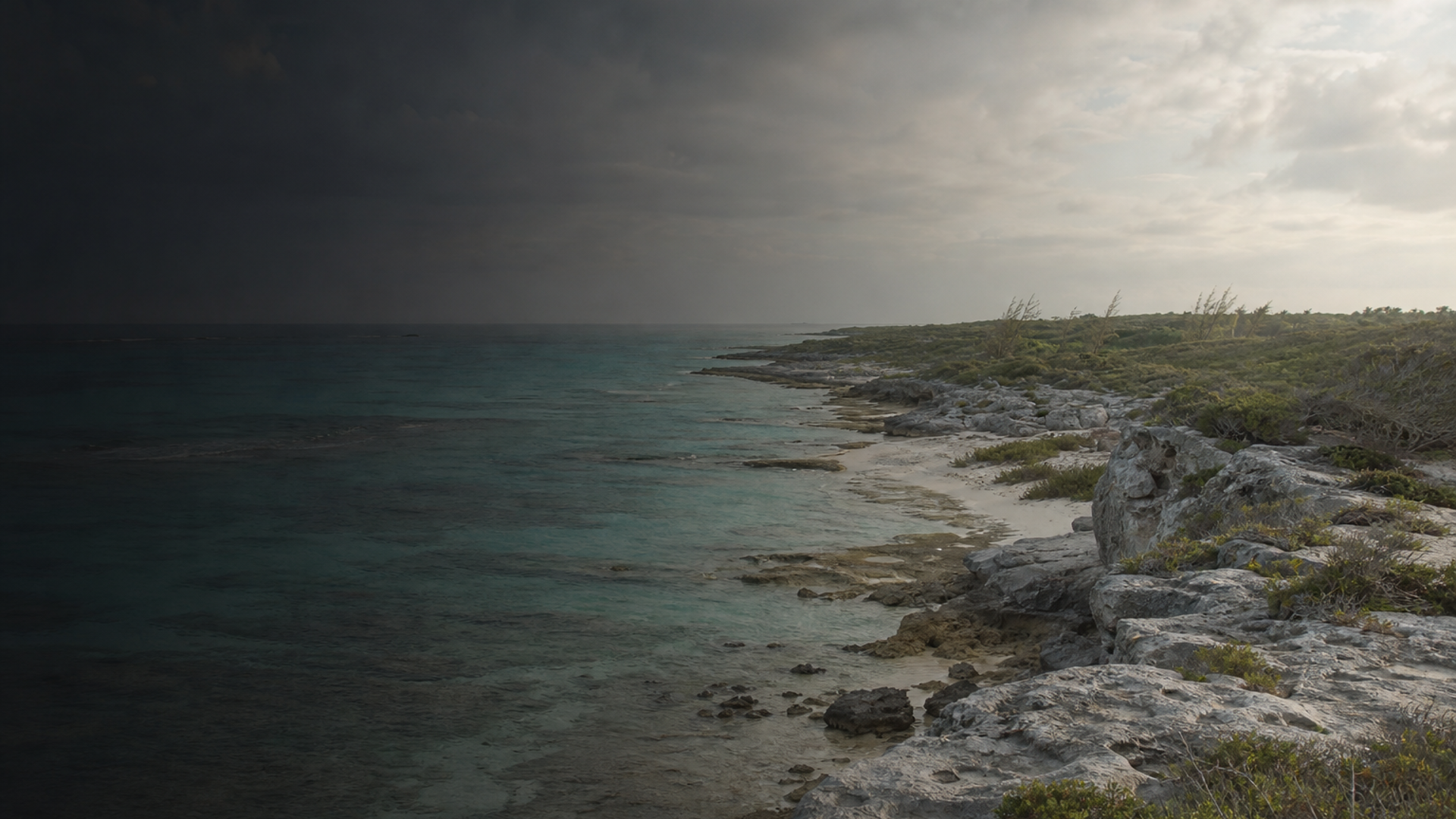
Life on Eleuthera during the Ceramic period would have been shaped by the sea: fishing, conch and shellfish gathering, and small-scale horticulture provided staples. Archaeological excavation of middens at Preacher's Cave and coastal spits reveals abundant marine shell, fish bone, and occasional domesticated or managed plants—evidence of mixed foraging and garden cultivation adapted to karstic soils and thin soils on limestone islands.
Ceramics provided cooking, storage, and ceremonial functions; decorated sherds recovered in caves suggest both daily use and symbolic expression. Caves like Preacher's Cave and Garden Cave likely served multiple roles: protection from storms, storage, ritual places, and burial locales. Shell tools, ground stone, and bone artifacts found in stratified contexts point to a technology tuned to island resources.
Social life would have been organized at small community scales, with mobility along coastlines and inter-island voyaging connecting Eleuthera to New Providence, the Exumas, and beyond. Exchange networks carried pottery styles, stone resources, and possibly people. Archaeological signs of continuity into later centuries show cultural persistence up to the contact era, though the disruptions of the late first millennium CE (climatic shifts, shifting trade patterns) introduced change.