Archaeological assemblages across the Bahamas and nearby islands reconstruct a life adapted to islands: fishing, shellfish gathering, and small-scale horticulture were central. Ceramic vessels — often decorated and made with temper appropriate for island clays — reflect cooking, storage, and social signaling. In the broader Taino world, plaza-centered villages, communal ballcourts (batey), and carved zemí (ancestor or spirit figures) appear in the material record; evidence for such features in the Bahamas is patchy but present in some excavated sites.
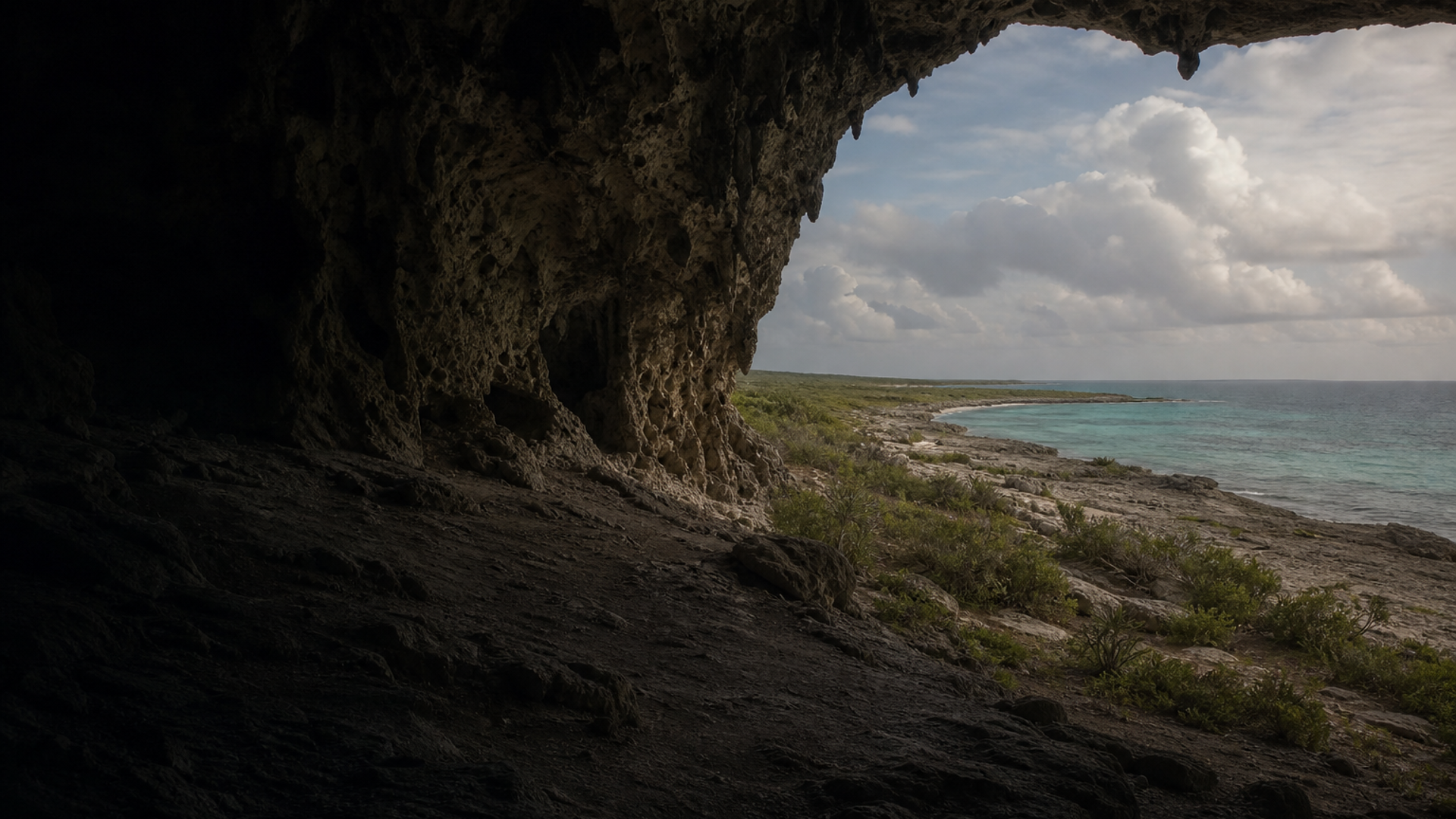
Settlement on Eleuthera and neighboring cays likely consisted of small villages or camps that exploited coastal and nearshore resources. Archaeobotanical remains and tool assemblages suggest cultivation of root crops such as cassava alongside marine protein reliance. Craft specialists produced shell tools, bone implements, and decorated pottery; domestic and ceremonial spheres were often interwoven. Burial contexts, like the one associated with Preacher's Cave, provide rare direct insight into mortuary practice and bodily treatment, but interpretations remain cautious: cave deposits can represent a range of behaviors from routine interment to episodic use during times of stress.
Archaeology paints a picture of resilient island lifeways, adaptive strategies, and social networks reaching across the Caribbean, even as many details remain unresolved by the limited Bahamian sample record.