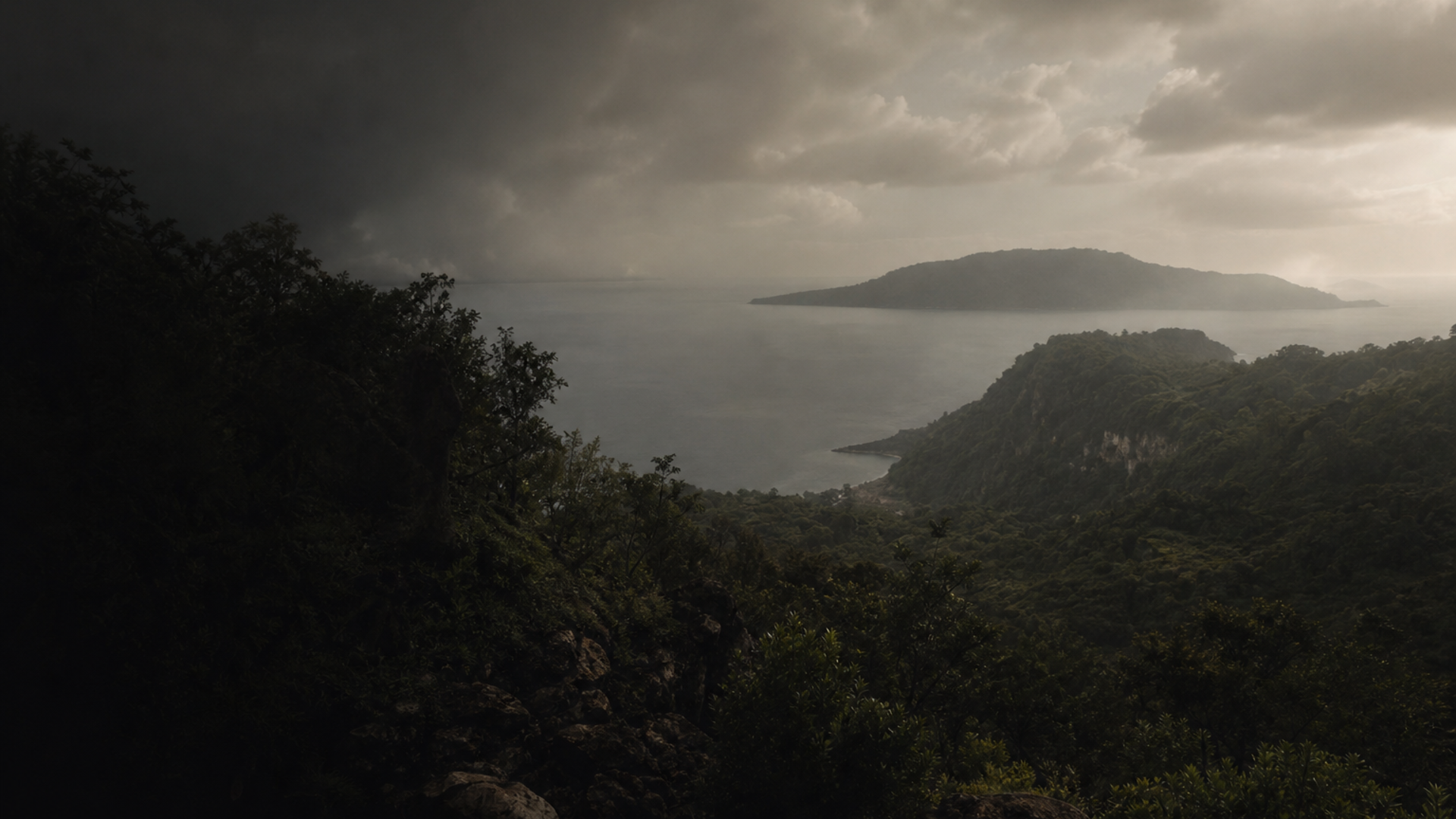
Imagine a shoreline at dusk: canoes hauled into sand, smoke rising from cooking pits, and woven houses clustered amid taro terraces. Archaeological indicators from the Efate and Epi sites—domestic middens, shellfish remains, stone adzes, and fragments of introduced metal—evoke daily routines of fishing, gardening, barkcloth production, and canoe repair. Ethnohistoric accounts and excavated assemblages suggest households organized around kin groups, with reciprocal exchange of horticultural surplus and marine products among neighboring villages.
Archaeological data indicates horticulture (taro, yam, breadfruit) dominated plant production, supplemented by breadfruit and coconut for storage and long voyages. Shellfish, reef fish, and occasionally pelagic catches furnished protein; shell artefacts and fishhooks point to sophisticated marine technologies. Social life appears tied to lineage and ritual obligations—burial treatments, grave goods, and elevated platforms in the landscape—though the small excavated sample limits broad inference. The arrival of European goods (metal, glass) in some stratigraphic layers signals changing craft practices: iron tools often replaced stone, yet traditional boatbuilding and weaving persisted.
These traces portray resilient communities adapting material culture while sustaining ancestral practices, a pattern consistent across late pre‑colonial and colonial Vanuatu. However, the archaeological record at these specific sites is fragmentary; continued fieldwork is needed to refine social reconstructions.