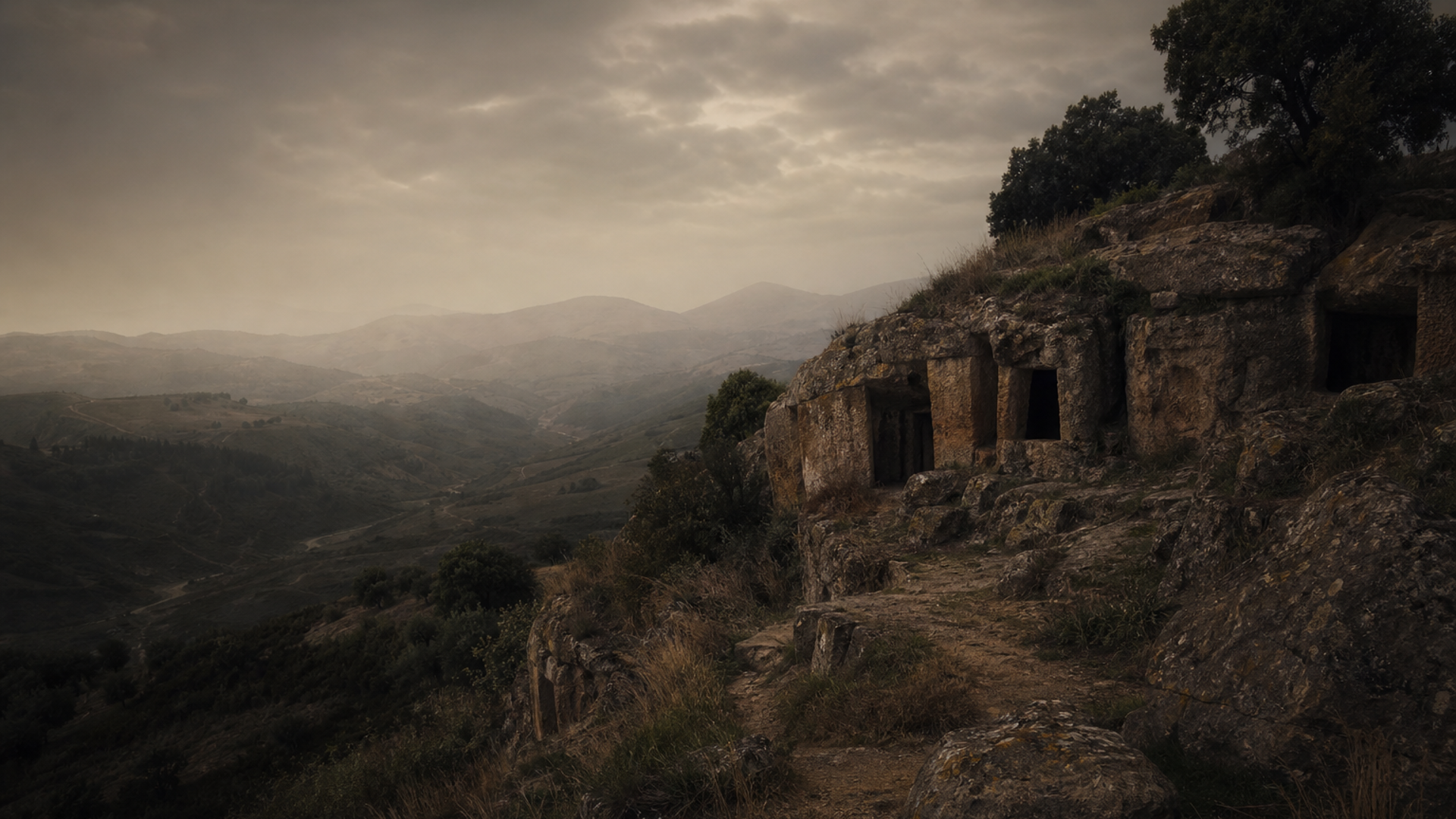
Archaeology paints the daily rhythms of Siena’s Etruscans in tactile detail: terracotta roof tiles and urban layouts hint at organized towns; workshops and metal slag point to skilled craft production; tomb architecture and grave goods reflect status differentiation and ritual practice. Excavations at Chiusi reveal monumental funerary landscapes—row upon row of chamber tombs carved from tuff where painted urns, bronze mirrors and carved stone markers accompanied the dead. Campiglia dei Foci and Poggio Renzo produce domestic traces: pottery assemblages, storage pits, and botanical remains that indicate a mixed agrarian economy of cereals, pulses, olives and vines, supplemented by livestock.
Trade with the wider Mediterranean is visible in imported Greek pottery and Eastern Mediterranean luxury items, suggesting seafaring or market connections that brought new materials, styles and perhaps ideas into inland Tuscany. Social life likely revolved around kin-based household groups and elite clans who controlled ritual spaces and resources. Artistic production—vivid pottery painting, bucchero ware, and bronze work—served both utilitarian and symbolic roles, broadcasting identities across regional networks.
Archaeological remains do not speak directly to individual life stories, but combined with isotopic and genetic sampling they can begin to reveal mobility patterns, diet, and kinship. For the Siena samples, the material culture is unambiguously Etruscan in style, while biological data remain sparse—suggesting local lifeways shaped by both continuity and contact.