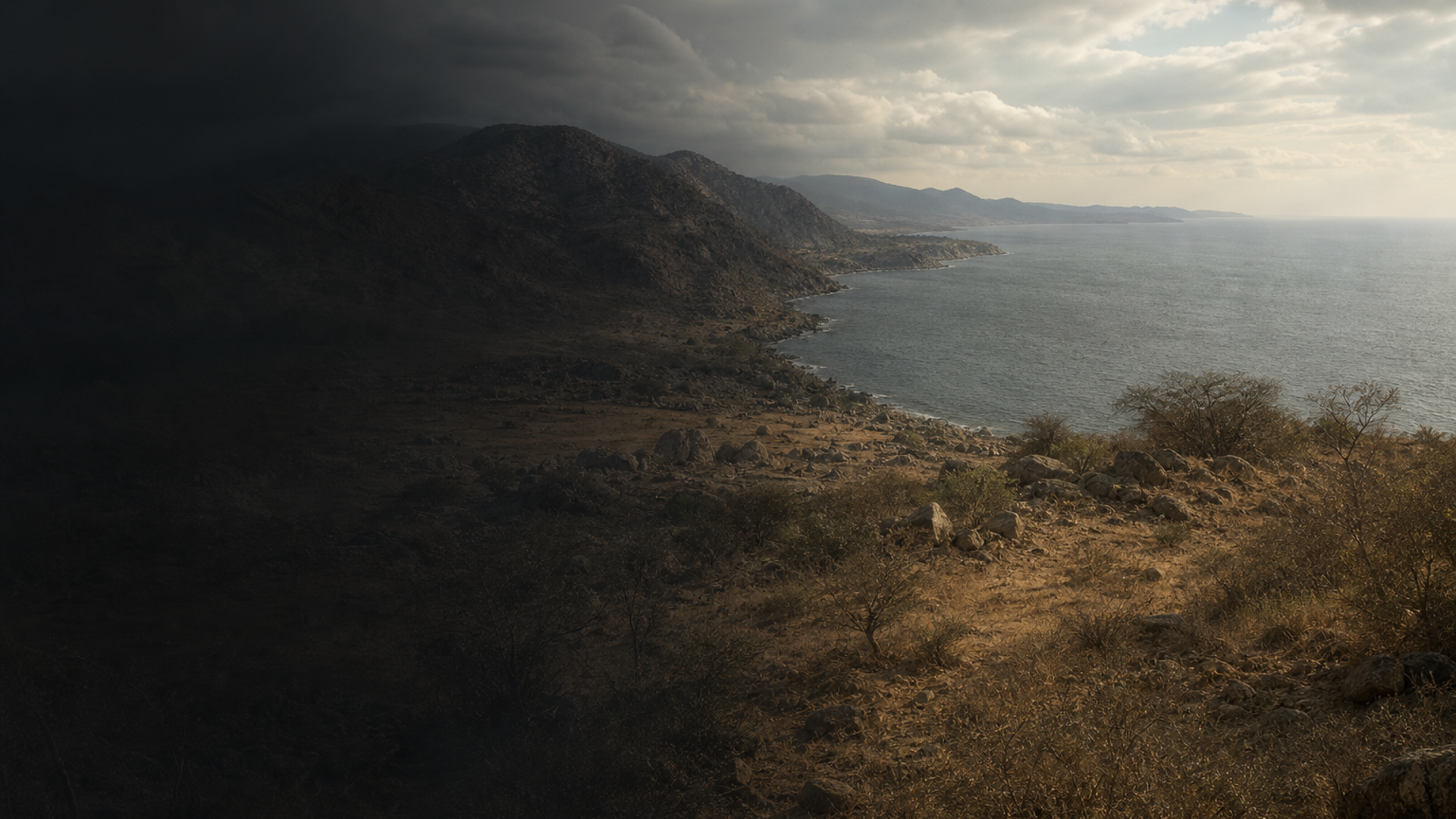
Three ancient genomes from Fingira provide a cautious, early genetic glimpse of Late Stone Age people in Malawi. Two male individuals carried Y-chromosome haplogroup B, a lineage observed across parts of sub-Saharan Africa and often associated with deep regional male ancestries. Two individuals carried mitochondrial haplogroup L maternal lineages, the broad African mtDNA family that dominates modern sub-Saharan populations.
These findings are consistent with expectations for ancient southern African and East African forager groups, but with critical caveats: the sample count is three — well below ten — so patterns of genetic diversity, population structure and admixture remain highly provisional. Genetic continuity with later populations (for example, incoming Bantu-speaking groups from the west and north) cannot be assessed robustly from this dataset alone.
Where the ancient Fingira genomes do speak louder is in anchoring a temporal point: genetic lineages present here by 4300–400 BCE contribute to a mosaic of ancestries that later populations inherited, mixed with, or replaced. Future sampling across time and space — more individuals, higher coverage genomes, and comparative data from neighboring regions — will be necessary to test hypotheses about continuity, gene flow, and demographic change in the Malawi Rift.