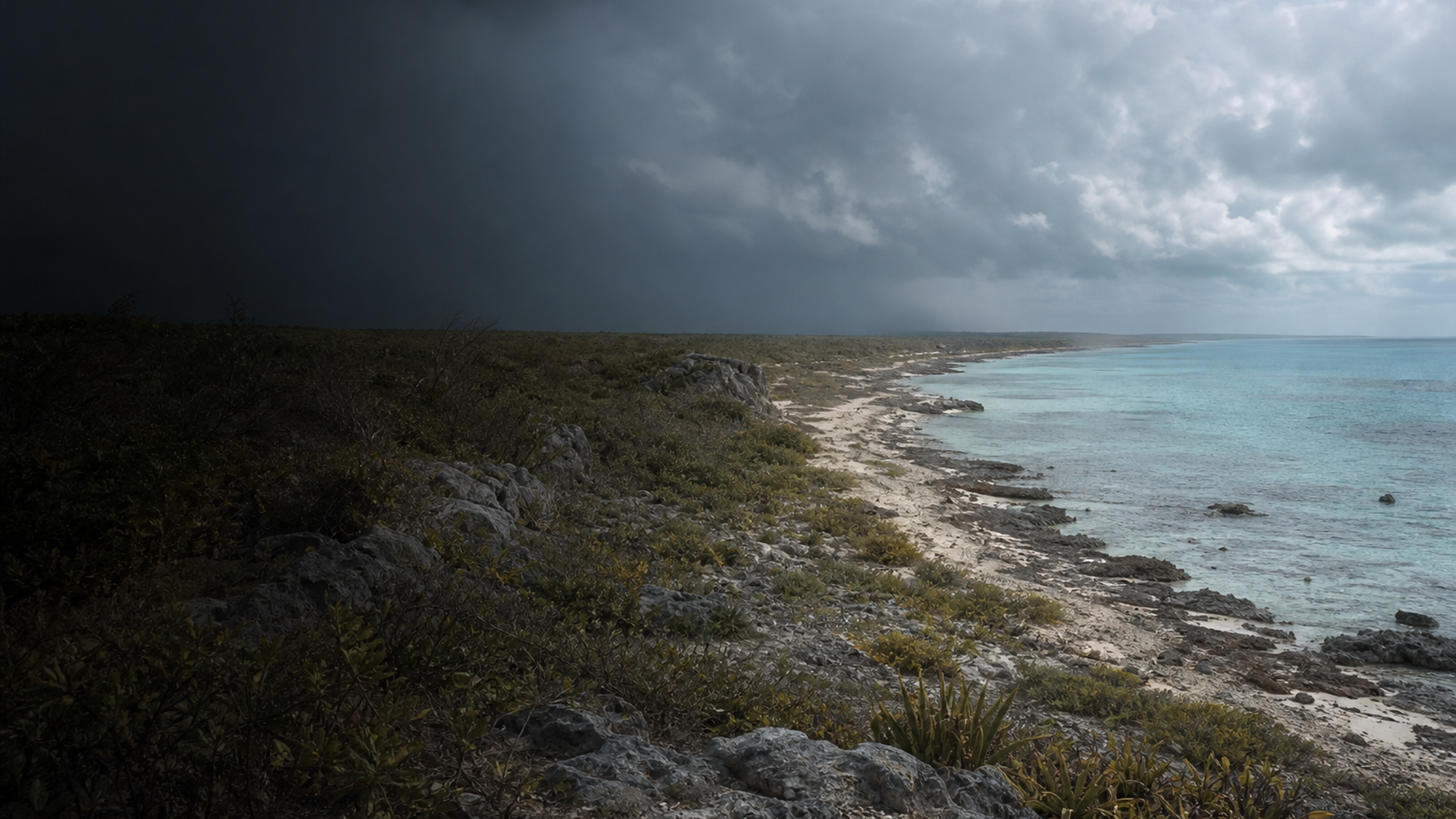
Life on the Ragged Island cays would have been shaped by salt, sea, and sky. Archaeological remains from the region indicate coastal foraging focused on conch, fish, and turtle, with shell middens and fishhooks expected in assemblages. Pottery — often decorated and tempered for island life — served for cooking, storage, and perhaps ritual. Lightweight dwellings and ephemeral features reflect the constraints of low-lying limestone cays where resources are patchy and storms frequent.
Social organization in Ceramic-age Bahamian communities likely balanced kinship ties with mobility. Canoe travel linked islands, enabling exchange of pottery styles, raw materials, and possibly marriage networks. At a human scale, everyday scenes might include potters shaping bowls, fishers hauling nets at dawn, and small ritual acts at the shoreline.
However, archaeological coverage on Flamingo Cay is limited and nuanced interpretations require caution. Excavations have produced pottery fragments and midden deposits consistent with Ragged Island Ceramic lifeways, but the paucity of long, well-dated sequences constrains our understanding of settlement duration, social complexity, and responses to environmental change such as hurricanes or sea-level shifts.