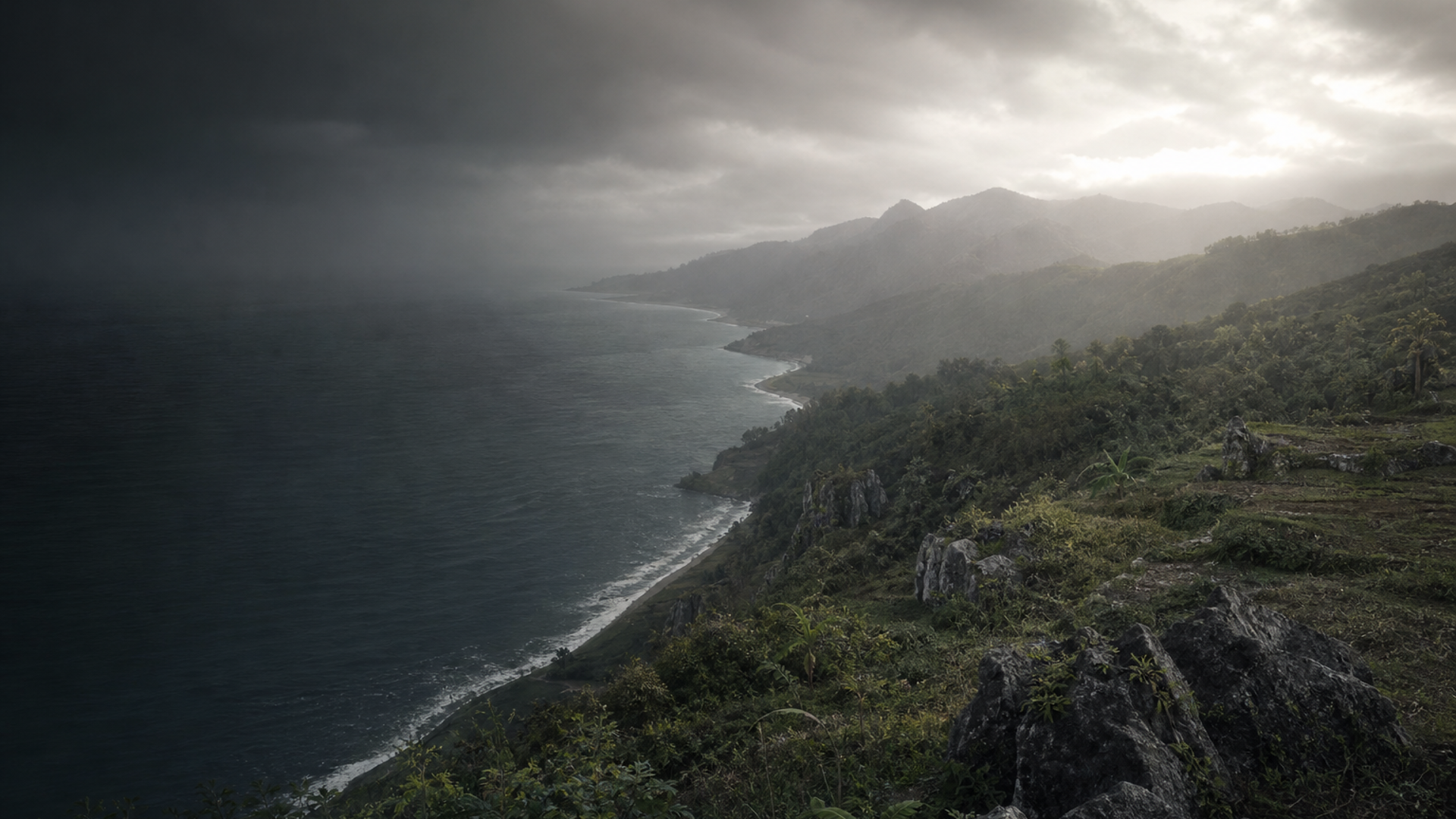
Life on Futuna in the 7th–9th centuries CE would have been intimate with sea, reef, and garden. Archaeological assemblages (charred plant remains, shellfish bones, and grindstones) indicate mixed subsistence: taro, yams, breadfruit, and sago gardens complemented reef and pelagic fishing. Stone and shell adzes attest to woodworking for house-building and canoe repair; pottery fragments reflect domestic storage, cooking, and ritual use.
Settlement patterns inferred from coastal deposits and burial contexts suggest small, kin-based hamlets rather than dense urban centers. Craft specialization likely included adze manufacture, shell working, and pottery shaping, balanced with seasonal movement to exploit inland and coastal resources. Burial evidence, where present, reveals differential treatment of the dead—some interments accompanied by grave goods—hinting at social distinctions or ritual roles.
Archaeological data indicates intensive knowledge of seafaring: navigational expertise, canoe construction, and inter-island exchange networks tied Futuna to neighboring Vanuatu islands. Ethnohistoric comparisons and oral traditions recorded in Vanuatu speak to long memories of voyaging and exchange, but linking these directly to specific behaviors in 651–858 CE requires caution. The three genetic samples provide biological snapshots that, when combined with material remains, enrich reconstructions of community composition and mobility yet cannot fully characterize societal complexity.