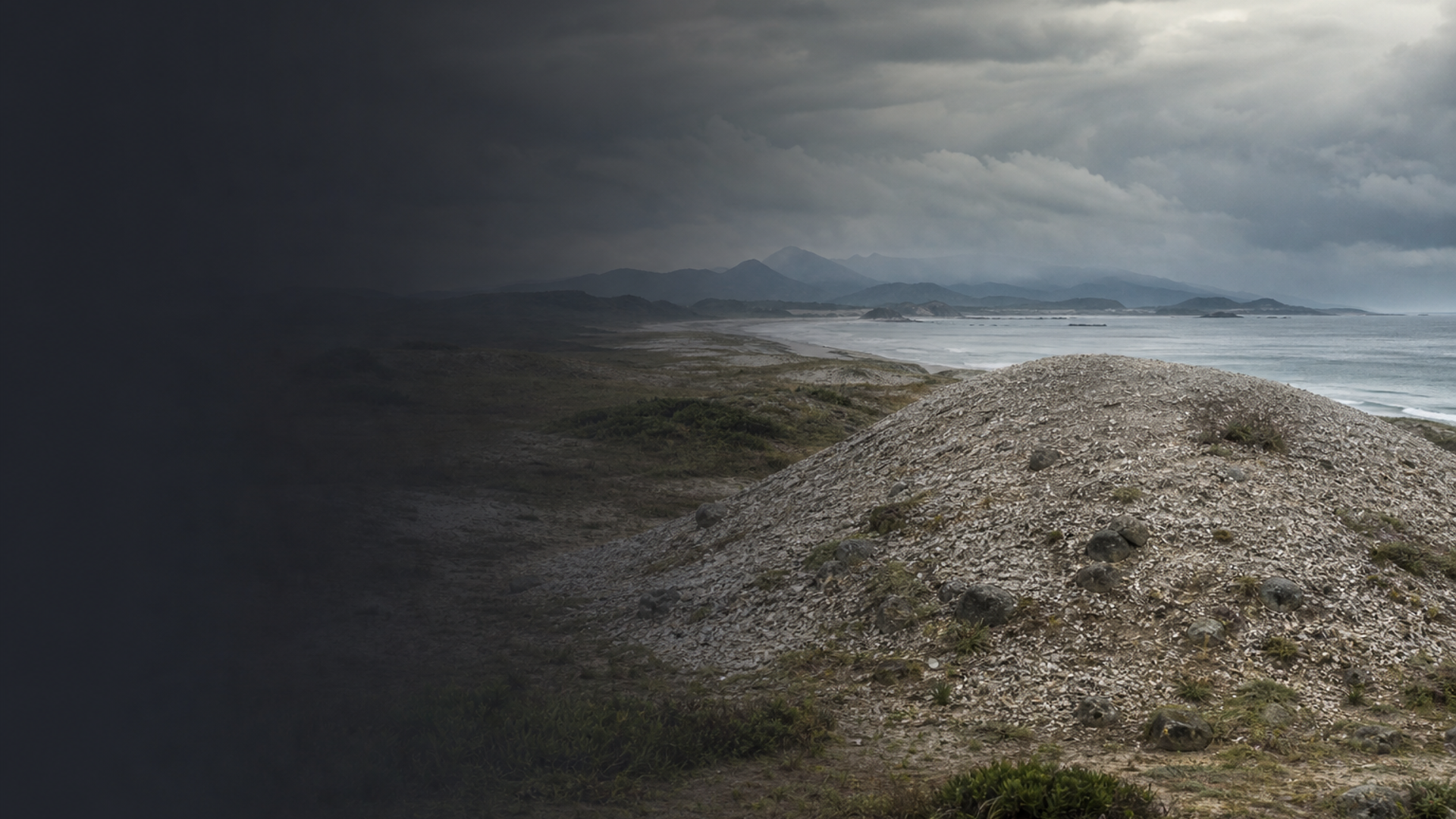
Archaeological data from sambaqui sites paints a cinematic picture of everyday life on Brazil’s ancient shores: gatherings by salt spray and the steady percussion of stone tools as coastal communities harvested shellfish, fished from boats, and processed marine and terrestrial resources. At larger sambaqui, layered middens preserve the detritus of diet, craft, and ritual — thick deposits of shells, fish bone, worked stone, and occasional ceramic fragments.
For Galheta IV specifically, depositional patterns and burial contexts indicate repeated use of the spot for both subsistence and commemoration. People likely organized daily life around tidal cycles and seasonal migrations of key species, with craft specialization in bone and shell working. Spatial organization within sambaqui could include discrete activity areas, hearths, and interment spaces; however, on‑site variability is high and excavation coverage at Galheta IV remains limited. Archaeological data indicates community resilience and deep local knowledge of coastal resources, even as broader social networks may have linked sambaqui groups along the coast.
Interpretations of social structure — kinship, leadership, and exchange — remain tentative at Galheta IV because of sparse material remains and the single genomic sample. Ethnoarchaeological analogies help imagine household rhythms, but direct evidence is fragmentary.