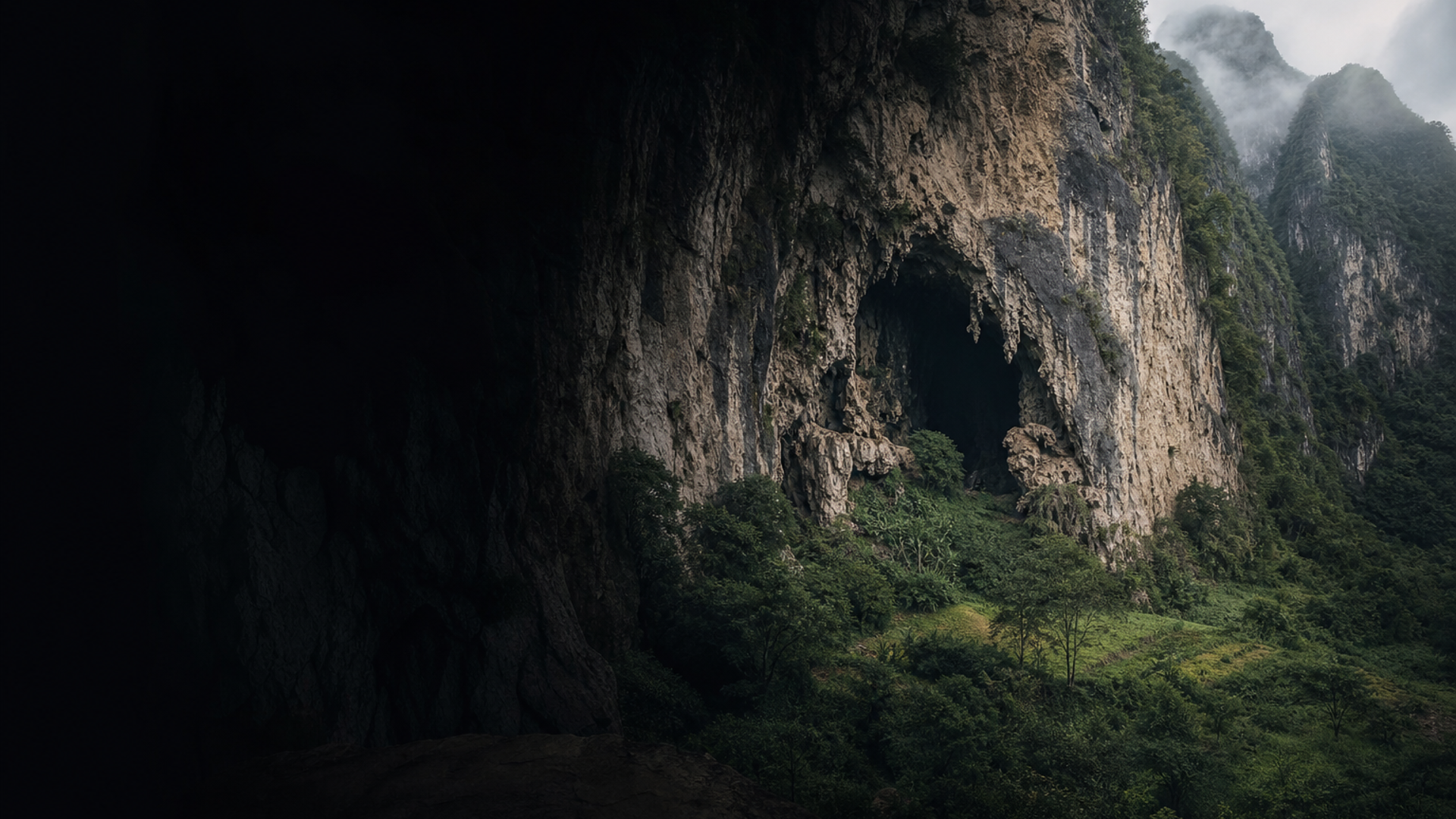
Archaeological patterns in Guangxi during the Ming and Qing dynasties evoke a landscape of terraced fields, riverine trade corridors, and ethnically diverse upland communities. People in Nandan County and surrounding Hechi likely practiced mixed subsistence: wet-rice cultivation in valley bottoms, swidden or dryland crops on slopes, and foraging in karst woodlands. Gaofeng Cave itself may have functioned intermittently as a shelter, ritual place, or secondary burial location; cave contexts in southern China are often associated with complex mortuary behaviors rather than continuous habitation.
Social life would have been framed by village ties, local ritual calendrics, and the reach of imperial institutions — tax lists, fixed corvée duties, and occasional military or administrative interventions from Ming and later Qing officials. Place names such as Lihu Yaozu Town hint at the historical presence of Yao communities in the region, but archaeological and genetic attribution to a named ethnic group from a single individual is not possible. We must therefore read daily life at Gaofeng as an evocative patchwork: glimpses of diet, movement, social obligations, and local belief, seen through modest archaeological traces and the fragile lens of one genome.