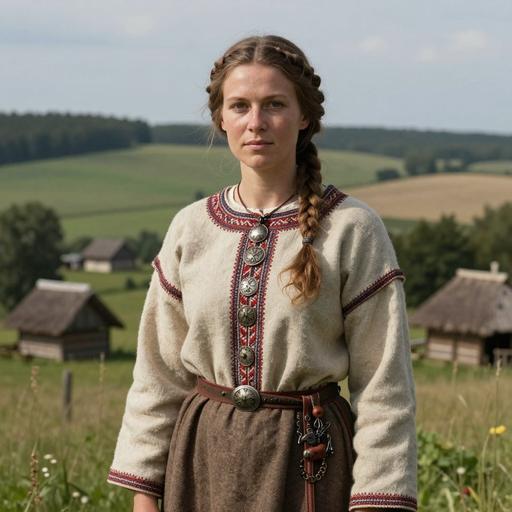
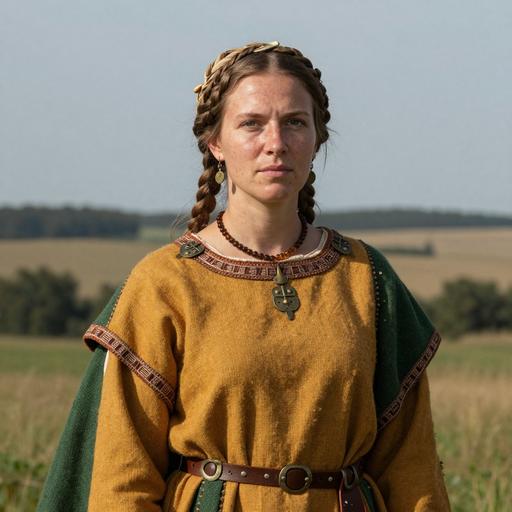
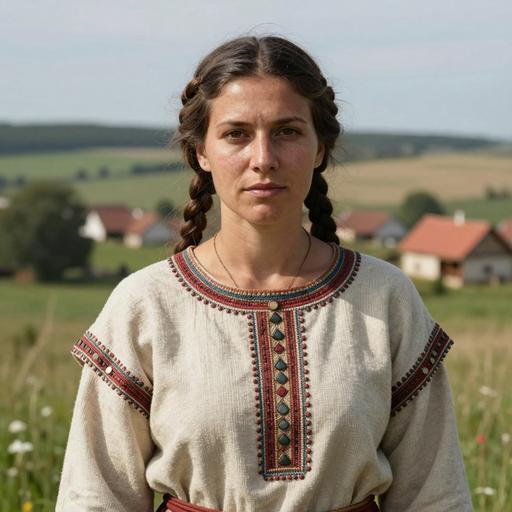
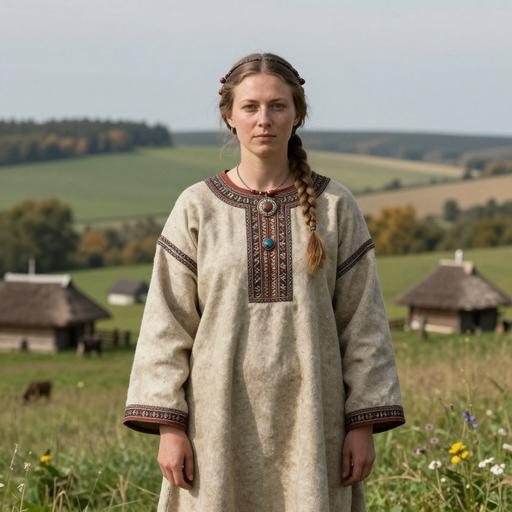
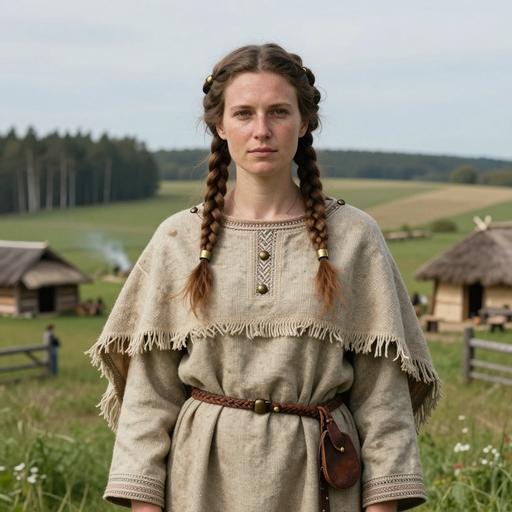
Beneath the broad sweep of migrations, the lived world of Germanic communities was local and vividly material. Settlement archaeology and cemeteries from Bavaria (Altenerding-Klettham, Alteglofsheim), Lower Saxony (Anderten, Drantum, Dunum) and northern Italy (Collegno) reveal timber halls, longhouses, specialized craft zones and burial rites that encoded social status — weapon burials for some men, rich female graves with beads and brooches, and varied infant graves. In Anglo-Saxon England, cemeteries such as Eastry and Ely preserve grave alignments and grave goods that articulate community identities and changing connections across the North Sea.
Economy and diet were mixed: archaeobotanical and zooarchaeological data indicate cereal agriculture, pig and cattle herding, supplemented by fishing and coastal resources in maritime zones. Craft specialization — ironworking, textile production, glass and amber trade — linked inland settlements to long-distance exchange networks stretching to the Mediterranean and the Baltic. Climate fluctuations and shifting trade routes tracked in the archaeological record likely shaped mobility: some people moved seasonally, others permanently, while kin networks and alliances mediated integration of newcomers. Osteological indicators and isotopes occasionally reveal nonlocal childhood origins, corroborating stories of movement seen in both artifacts and genomes.
Archaeological evidence indicates unequal preservation across regions; many inland and southern sites provide richer organic archives than peat-covered marsh cemeteries, which biases reconstructions of everyday life.