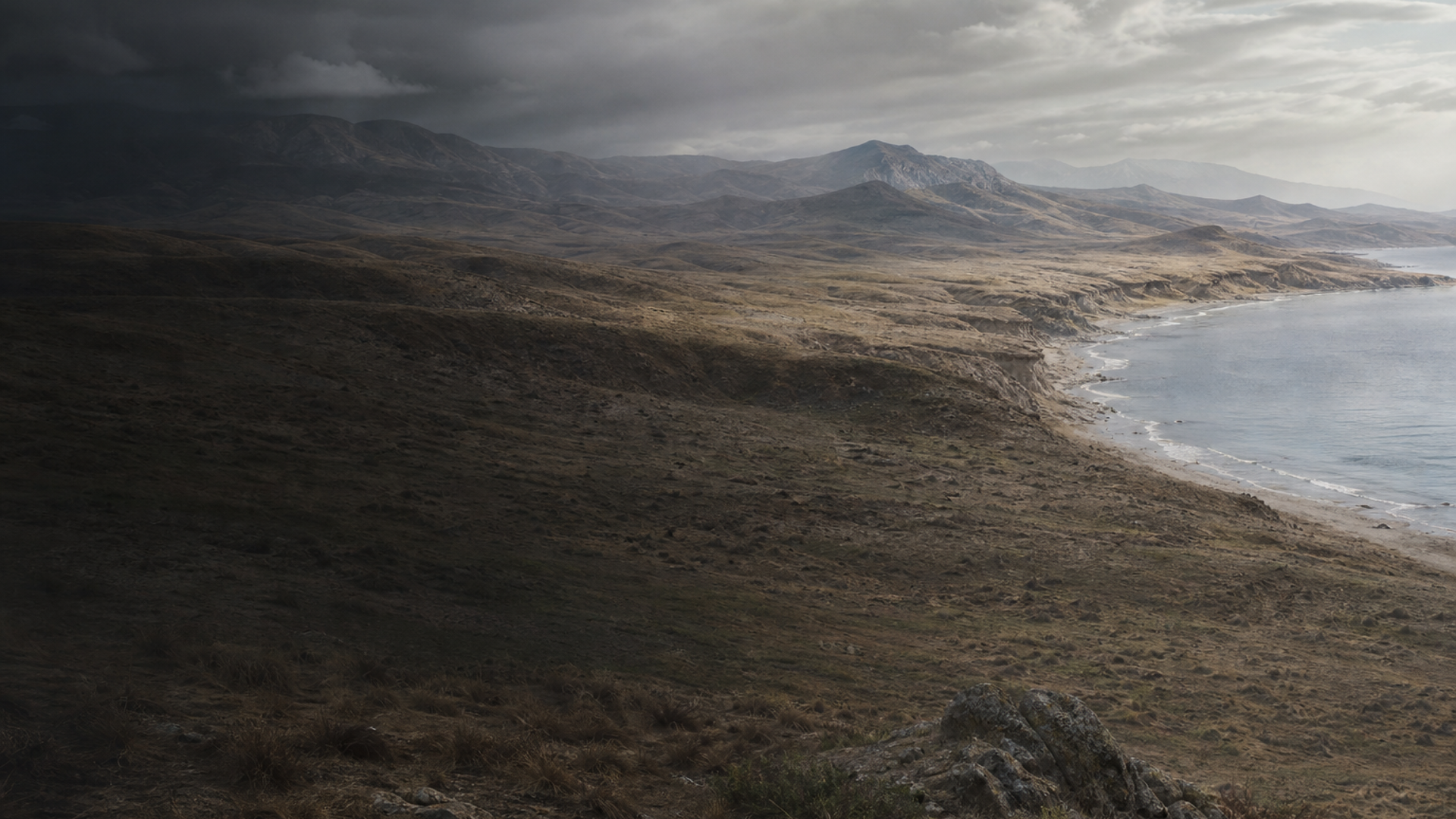
The daily pulse at an early Goleta shoreline settlement can be imagined from the residues left behind: layered shells, discarded bone, and worked stone. Archaeological data indicates reliance on marine resources—fish, shellfish and sea mammals—supplemented by terrestrial plants and small game. Ethnographic parallels from historic-period Chumash and neighboring groups suggest craft specialization such as shell-bead production, bone and antler tools, and the use of sewn watercraft, though direct evidence from CA-SBA-52 is limited.
Social life likely revolved around kin networks and seasonal rounds, with transportation and exchange along the coast fostering connections between coves and estuaries. Ritual landscapes and burial practices are archaeologically variable in coastal California; while this site's mortuary samples provided the genetic material analyzed, the small number of burials prevents broad claims about social hierarchy or population size.
Archaeological excavation continues to refine the picture: hearth features, tool production debris, and midden stratigraphy provide windows into household economies, but many details of craft, belief and mobility remain to be recovered and integrated with genetic insights.