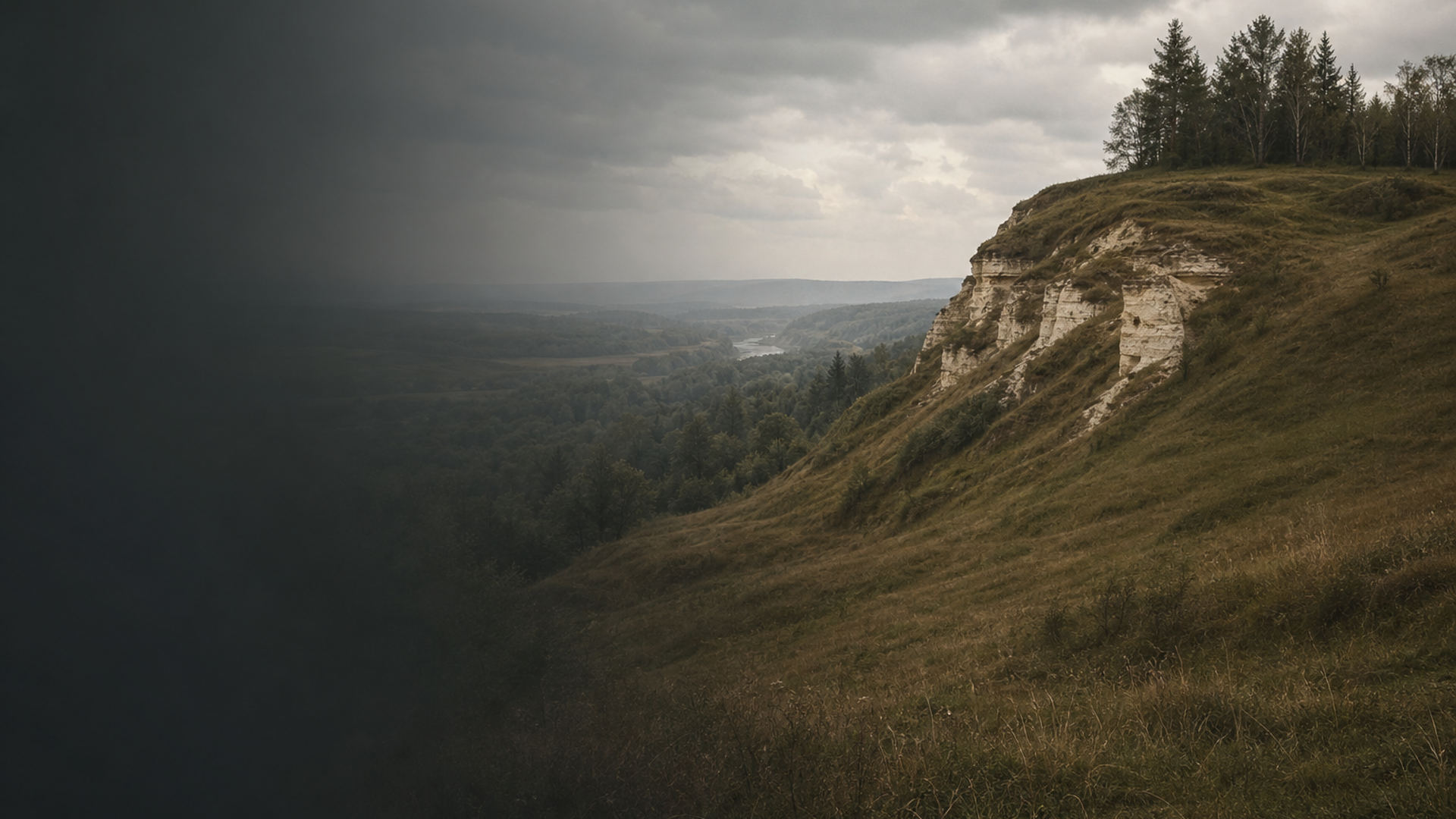
Archaeology evokes a tactile world of wooden houses set against mixed forests, where livelihoods balanced agriculture, animal husbandry and riverine exchange. Though direct evidence tied to these four individuals is limited, regional excavations in the Gorokhovets area reveal craft production (metalworking detritus, tool fragments), domestic pottery styles, and grave goods that reflect household and community identities.
The proximity of Sretensky Monastery suggests that some burials may reflect changing religious landscapes: monastic centers were nodes for literacy, pilgrimage and charitable care, and they often mediated the incorporation of rural populations into broader ecclesiastical networks. At the same time, Puzhalova-gora burials evoke older local customs, perhaps retaining pre-Christian elements in mortuary practice.
Social life in medieval Gorokhovets likely blended kin-based rural households with ties to larger market towns and river routes. Seasonal movements, craft specialization, and intermarriage with neighboring groups would have shaped social networks. Archaeological indicators — settlement patterns, artifact styles and burial placement — together with emerging genetic data, suggest communities that were locally rooted yet porous to outside influences.