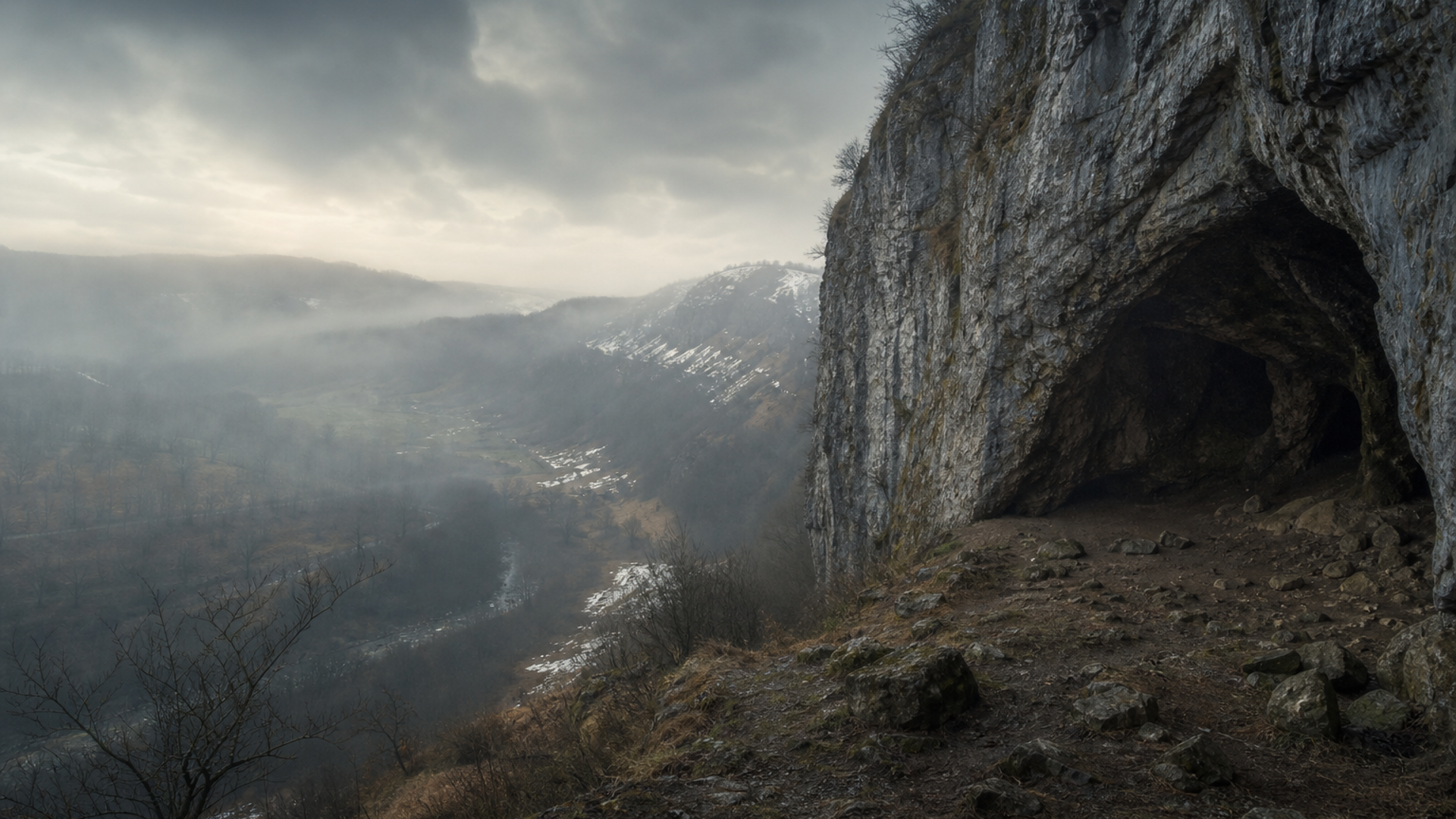
The daily rhythms of Goyet’s Gravettian occupants can be reconstructed from stone, bone, and the residues of hearths. Skilled flint knapping produced heat‑retouched backed bladelets and pointed blades suited to hunting reindeer and horse on cold plains. Bone awls, needles, and perforated beads point to textile or leather working and the production of personal adornment—small acts of identity against a vast frozen landscape.
Zooarchaeological remains indicate a focus on large herd animals; but the presence of small game and fish remains suggests dietary flexibility. Spatial organization within the cave—task‑specific loci for butchery, tool production, and living surfaces—evokes communities that shared labor and knowledge across generations. Artistic expression, though fragmentary at Goyet, fits the Gravettian pattern of portable sculpture and engravings, gestures that likely bound people through shared symbolism.
Seasonal mobility probably structured social life: archaeological indicators support repeated autumn-winter occupations, with groups moving across predictable animal migration routes. Camp life, then, blended high-skilled craftsmanship, cooperative hunting, and symbolic practices that together sustained communities in an extreme climate.
Because preservation and sampling are uneven, aspects of household structure and population size at Goyet remain open questions.