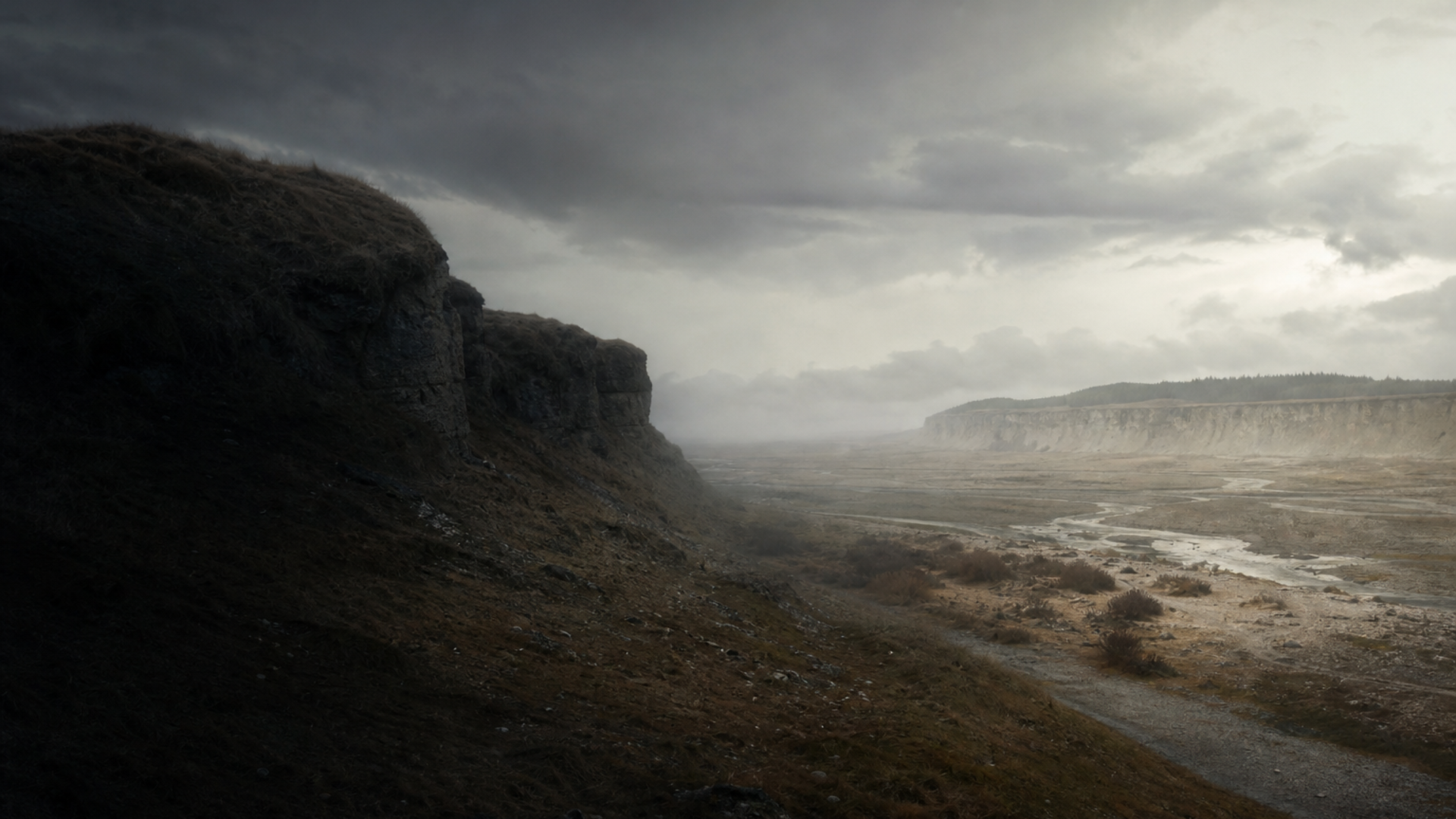
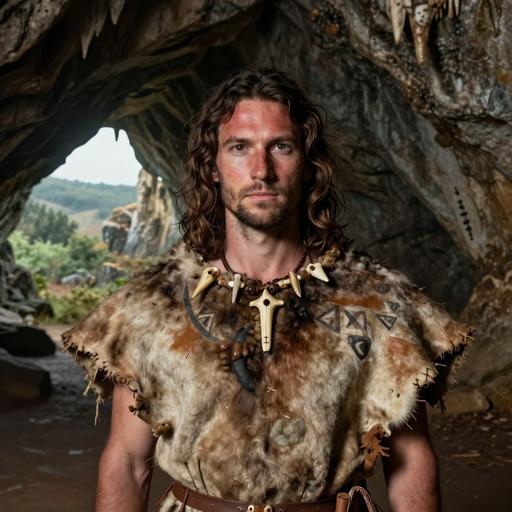
Archaeological traces at Magdalenian sites convey a cinematic tableau of hunter‑gatherer life: people moving across richly textured landscapes, crafting delicate points from stone and antler, and creating images that speak to ritual and memory. At Goyet, cave spaces likely served as episodic shelters, processing locales for game, and sites of interment or ritual — though specific behaviors at Troisième caverne require cautious interpretation.
Zooarchaeological patterns from Magdalenian contexts elsewhere indicate seasonal hunting of reindeer, horse and red deer, with targeted use of flint and osseous materials for projectile armatures and finishing tools. Hearth features, tool concentrations and bone refuse in comparable sites suggest small, mobile groups living in kin‑based bands, with high technical skill in working multiple raw materials.
Social life would have been organized around mobility, resource tracking, and information networks — festival‑like aggregations may have punctuated long seasonal rounds, enabling exchange of raw materials and stylistic ideas. Artistic expression, visible across the Magdalenian world in portable and parietal art, hints at symbolic landscapes and shared cosmologies.
Bulleted daily life summary:
- Mobile hunter‑gatherer bands exploiting river valleys and uplands
- Sophisticated osseous and lithic tool production with likely seasonal site use