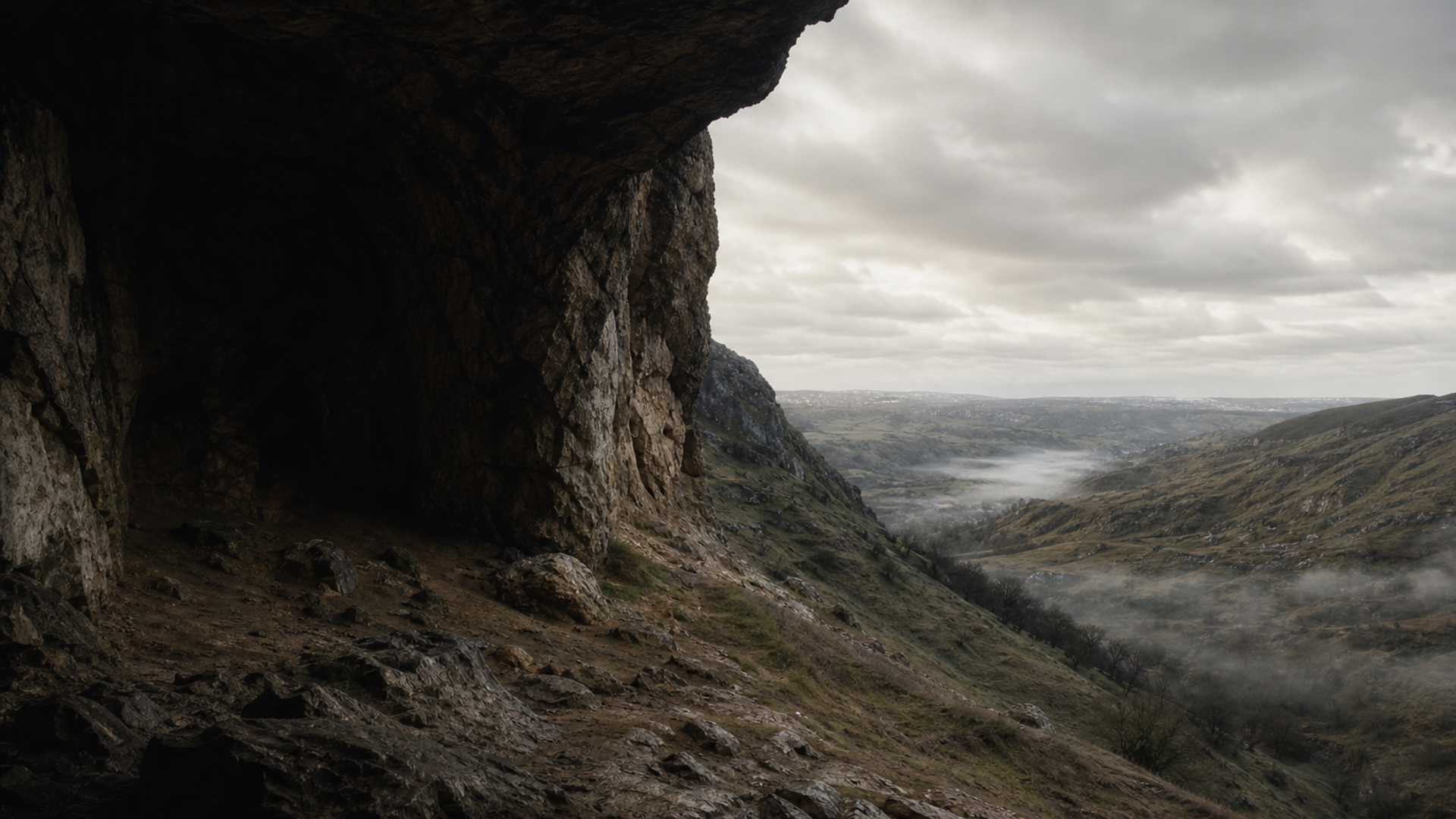
In the flicker of hearthlight within Goyet’s chambers, daily life would have centered on hunting, tool production, and social sharing. Archaeological excavations in the Goyet complex reveal concentrations of flint knapping debris, charred bone, and stones arranged around hearths—evidence of repeated occupation episodes. Faunal remains suggest specialization on cold-adapted species such as reindeer and horse; these animals were vital for meat, hides, and raw materials for clothing and shelter.
Spatial patterns within the Troisieme caverne indicate activity zones where stone tools were produced and repaired, and where food processing took place. Artistic expression and symbolic behavior are known from other chambers in Goyet (faunal modifications and possible personal ornaments), hinting at shared rituals or identity markers among groups that used the cave system.
Because the genetic dataset here consists of a single individual, social structure, kinship patterns, and community size cannot be robustly inferred. However, integrating archaeology with even one genome allows us to imagine a person embedded in networks of cooperation, seasonal mobility, and technological knowledge transmission across Ice Age western Europe.